
What is War Surcharge And The Impact On Car Shipping?
 March 18, 2026
, 7 Min Read
March 18, 2026
, 7 Min Read
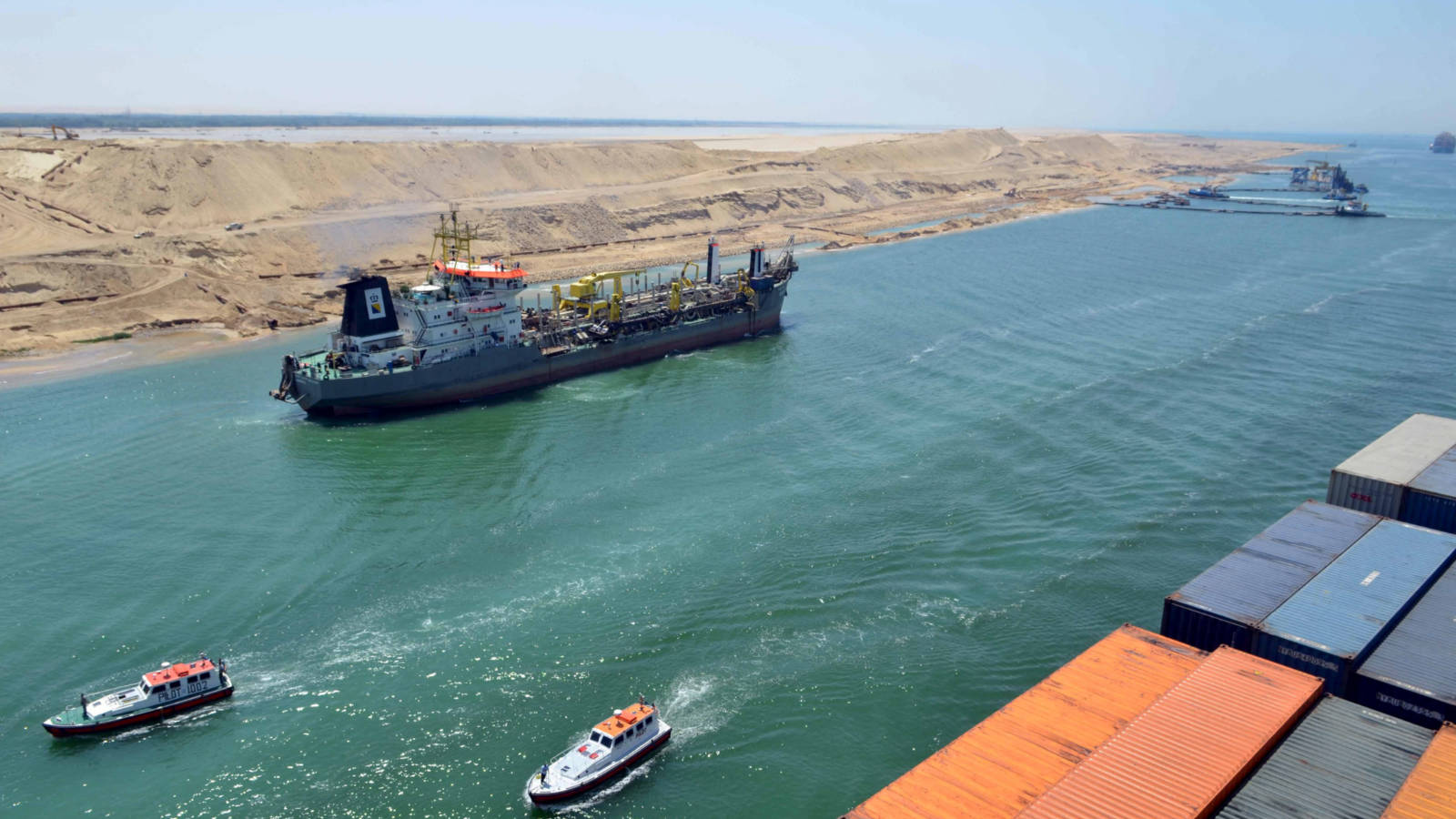
Shipping a car internationally comes with its own set of challenges, and one of the most significant factors that can impact the cost of shipping is the War Risk Surcharge (WRS). This additional fee, applied by shipping companies, is designed to cover the increased costs and risks associated with transporting vehicles through regions affected by conflict, political instability, or piracy. In this guide, we’ll explore what the War Risk Surcharge is, when it applies, and how it affects car shipping in the UAE.
 AI Quick Summary
The War Risk Surcharge (WRS) is an additional fee applied to international car shipping to cover increased costs and risks associated with transporting vehicles through designated conflict-prone regions, such as parts of the Middle East. This surcharge significantly impacts car shipping by increasing overall expenses, causing delays due to potential rerouting, and limiting available shipping options, particularly for major trade hubs like the UAE.
This summary was generated by AI using this article’s content.Read Next

What is War Surcharge (WRS)?
War Risk Surcharge is an extra fee that shipping companies add to the cost of transporting goods, including vehicles, through areas designated as war-risk zones. These areas are identified by marine insurers and the Joint War Committee, based on factors like war, civil unrest, terrorism, and piracy. The surcharge is intended to compensate shipping companies for higher insurance premiums, additional security measures, and operational disruptions that arise when ships pass through these areas.
- Who decides where WRS applies?
The Joint War Committee and marine insurers determine the zones considered to be high-risk based on geopolitical situations and global security concerns. - What does the surcharge cover?
It covers increased insurance costs, enhanced security protocols, and potential delays due to rerouted or disrupted shipments.
When is War Surcharge Applied?
WRS is only applied when a shipping route or port falls within a designated war-risk zone. These zones typically include regions like the Persian Gulf, Red Sea, and the Strait of Hormuz. For shipments from or to the UAE, the surcharge often affects routes passing through these areas.
Key war-risk zones affecting the UAE
- Strait of Hormuz: A critical shipping route for goods entering and leaving the UAE.
- Red Sea-Suez Corridor: A key route for shipping goods between Europe, Asia, and the Middle East.
- Gulf of Oman and Arabian Gulf: Areas affected by piracy and regional conflicts.
When a shipping route involves any of these regions, the carrier will apply the surcharge to cover the increased risks and insurance premiums associated with these volatile zones.
How Does War Surcharge Affect Car Shipping?
The impact of WRS on car shipping can vary depending on the shipping method, route, and the specific conditions of the region being transited. Below are the primary ways that WRS affects car shipments:
1. Increased Shipping Costs
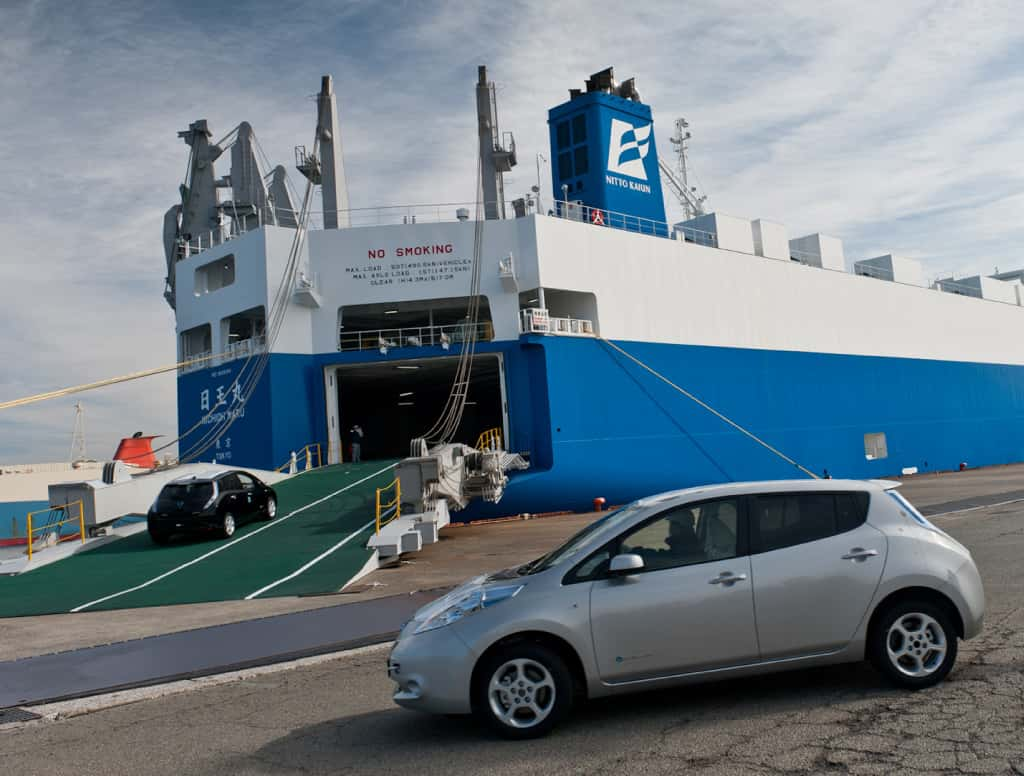
One of the most direct effects of WRS is the increase in overall shipping costs. The surcharge is typically added to the base shipping cost and can either be applied per cubic meter (cbm) for RoRo (Roll-on/Roll-off) shipments or per container (TEU) for containerised shipments.
- RoRo Shipments: For vehicles shipped on RoRo vessels, WRS is often charged per cubic meter (cbm). For example, shipping a vehicle via RoRo to the UAE from Europe or the Far East may incur a surcharge of around USD 6 per cbm.
- Containerised Shipments: When cars are shipped in containers, the surcharge is usually a flat fee per container. For instance, a container carrying vehicles to and from the Arabian Gulf may incur a USD 1,500 surcharge for standard containers and USD 3,500 for special equipment.
2. Delays and Rerouted Shipments
The increased premiums associated with war-risk zones can lead to route adjustments and delays. In some cases, shipping companies may choose to reroute their vessels to avoid high-risk areas. For instance, ships may bypass the Red Sea or the Strait of Hormuz, which can result in longer transit times and higher overall costs.
- Diversion of Routes: For example, shipments from the UAE to Europe or Africa may be rerouted around the Strait of Hormuz, adding days or even weeks to the journey.
- Suspension of Services: In extreme cases, carriers may suspend services to certain high-risk ports, reducing the availability of shipping options and increasing wait times for vehicles to be shipped.
3. Fewer Shipping Options
The higher risk and increased cost of shipping through war zones can lead to fewer available routes and limited shipping options. Shipping companies may choose to reduce the number of sailings or halt operations to certain areas altogether, creating supply shortages and higher prices for vehicle shipments.
- Reduced Availability of Sailings: For example, during periods of heightened conflict, the number of vessels passing through high-risk areas like the Persian Gulf may decrease, resulting in limited space for vehicle shipments.
- Alternative Hubs: Shipping companies may also switch to alternative transhipment hubs, further increasing the cost and length of the journey.
4. Impact on Car Imports to the UAE
For the UAE, particularly Jebel Ali Port in Dubai, the war surcharge is becoming a significant factor in car imports. The UAE is a major trade hub, and shipments to and from the country often pass through volatile zones. As a result, WRS has led to increased car import costs and potential disruptions in shipping schedules.
- Examples of War Surcharge Impact: Some major shipping lines have already imposed war surcharges for shipments to and from the UAE, particularly for cargo moving through the Strait of Hormuz and the Arabian Gulf. For containerized shipments, this means an additional USD 1,500–USD 4,000 per container on top of regular freight costs.
How to Minimise the Impact of War Surcharge
If you’re shipping a car to or from the UAE, there are several steps you can take to reduce the impact of the war surcharge:
- Compare Shipping Options: If possible, compare different routes and shipping methods to find one that avoids high-risk zones or offers lower surcharges.
- Use Alternative Ports: Consider shipping your car to or from alternative ports that are less affected by war-risk zones. This could potentially reduce the surcharge and the transit time.
- Negotiate with Forwarders: Some forwarders may offer flexibility in terms of handling the surcharge. It’s worth discussing with your shipping company to see if any options for reducing the surcharge are available.
The War Risk Surcharge is a crucial factor to consider when shipping cars to and from the UAE, particularly given the region’s proximity to high-risk areas like the Persian Gulf and Strait of Hormuz. While this surcharge adds to the cost of car shipping, it is an essential charge that helps carriers manage the increased risks and insurance costs associated with volatile zones.
By understanding how WRS works and exploring ways to minimise its impact, you can better plan for the cost and logistics of shipping your car. Always consult with your shipping company or forwarder to ensure you’re fully aware of the surcharge and how it affects your shipment.
Find the best used cars for sale in the UAE.
Stay tuned to UAE’s most popular auto blog for more information about the latest happenings in all of the Emirates.
FAQs
What is War Risk Surcharge (WRS)?
WRS is an additional fee applied by carriers to cover higher insurance and security costs when shipping through regions affected by war, civil unrest, or piracy.
When is War Risk Surcharge applied to car shipments?
WRS applies to car shipments passing through high-risk zones, such as the Persian Gulf, Strait of Hormuz, and Red Sea, as designated by marine insurers and the Joint War Committee.
How does War Risk Surcharge affect shipping costs?
WRS increases car shipping costs, either per cubic meter (cbm) for RoRo shipments or per container for containerised shipments, depending on the route and risk level.
Can War Risk Surcharge cause shipping delays?
Yes, the surcharge may lead to delays if ships are rerouted around high-risk zones, increasing transit times and potentially changing transhipment hubs.
How can I reduce the impact of War Risk Surcharge?
To reduce WRS, consider alternative shipping routes, avoid high-risk zones, or discuss options with your forwarder for lower surcharges and different port choices.
Follow us on

Recent Stories

Can You Own An EV In Dubai Without Home Charging?
Electric cars are becoming easier to own in Dubai thanks to longer ranges and a growing charging network. But can...
Complete Guide On How To Place Requests With RTA In Dubai
Dubai’s Roads and Transport Authority (RTA) manages roads, public transport, vehicle and driving services across the emirate. Residents and visitors...

How To Get The Best Car Loan Interest Rate In The UAE For Used & New Cars
Getting the lowest possible car loan rate in the UAE is not just about finding the bank advertising the smallest...

Is It Safe To Sleep In A Car? Risks and Safety Tips
Long drives, road trips and late-night journeys can leave drivers feeling exhausted. In those situations, pulling over for a short...
A Complete Guide To RTA Bus On-Demand Service In Dubai
Dubai’s public transport network continues to expand, and the RTA Bus On Demand service is becoming an increasingly useful option...

Top 10 Cars To Rent In The UAE
Renting a car is one of the easiest ways to travel across the UAE. From affordable daily commuters to luxury...