My ads
 Login / Sign Up

China’s Car Industry In 2026: Hundreds Of Brands Face Elimination
 March 12, 2026
, 8 Min Read
March 12, 2026
, 8 Min Read

China’s automotive industry has reached a critical turning point. After years of explosive growth and brand proliferation, major car makers are now consolidating operations, merging brands, and cutting costs to survive an unprecedented profitability crisis.
 AI Quick Summary
China's automotive industry is undergoing a massive consolidation due to an unprecedented profitability crisis, price wars, and rising costs, marking the end of an era of rapid brand proliferation. Major carmakers are merging brands and streamlining operations to cut expenses, with thousands of smaller brands disappearing as only 8-12 major players are expected to survive by 2028. This strategic consolidation aims to ensure survival, strengthen domestic dominance, and free up resources for global competition and technology investment.
This summary was generated by AI using this article’s content.Read Next
The shift marks the end of an era. For over a decade, Chinese automakers competed by creating multiple brands to capture different market segments. However, by 2026, this strategy had become financially unsustainable. The industry is now shedding thousands of smaller brands, with analysts predicting that only 8–12 major players will remain by 2028.
What Is Happening to China’s Car Brands Right Now?
The trend accelerated dramatically in late 2025. On 22 December, Geely Automobile completed a major restructuring by merging its Zeekr electric vehicle brand back into the main company after delisting it from the New York Stock Exchange. The move followed similar consolidations by other giants, including Guangzhou Automobile Group and SAIC Motor, China’s largest automaker by volume.
Geely’s decision epitomises the new strategy. The company previously operated three separate brands—mainstream Geely, premium Lynk & Co, and ultra-premium electric Zeekr, each with its own management team, research facilities, and supply chains. Now, all three brands operate under unified leadership.
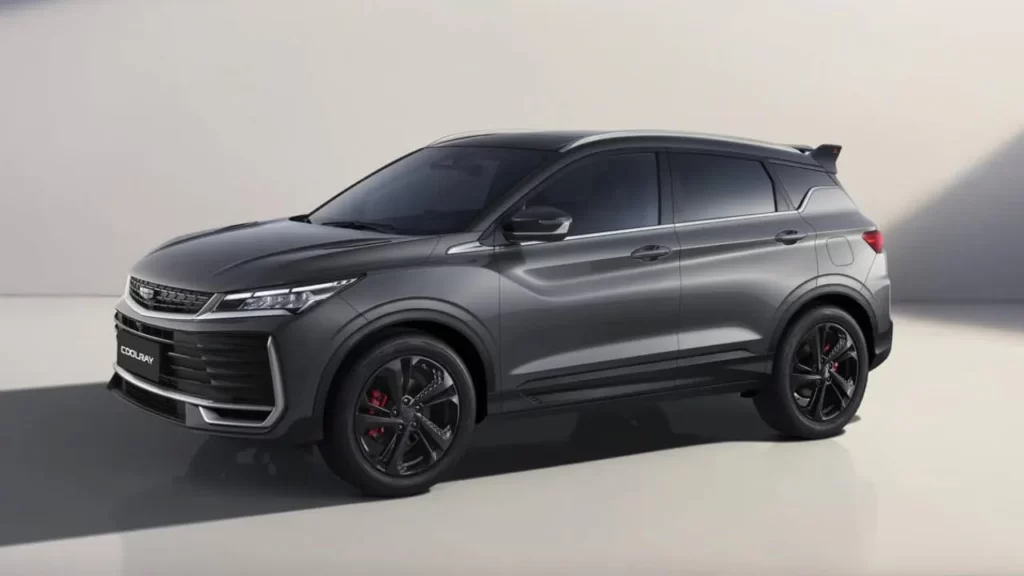
“This consolidation strengthens strategic synergies and scale across product development, manufacturing, and sales channels,” Geely stated in its official announcement.
The company expects significant cost savings from the merger. By combining research and development teams, consolidating marketing efforts, and streamlining administration, Geely projects substantial reductions in technology development, marketing, administrative, and procurement costs.
Why Are Chinese Car Makers Forced to Consolidate?
The merger isn’t a choice; it’s a survival mechanism. China’s automotive industry is experiencing a profitability collapse that has forced companies to restructure or face bankruptcy.
The numbers are stark. In 2022, Chinese car makers earned approximately £1,600 profit per vehicle (roughly $2,000 USD). By November 2025, this had plummeted to just £1,280 per car. Industry-wide profit margins now stand at 4.4%—the second-lowest level ever recorded.
Multiple factors are squeezing profits simultaneously. Battery raw materials remain volatile and expensive. Labour costs continue to rise. Shipping and logistics expenses have climbed steadily. Meanwhile, production costs are growing at 9% annually, whilst revenues are expanding at only 8%.
Even more damaging is the price war ravaging the industry. When BYD, the market leader, slashed prices dramatically in early 2025, competitors had no choice but to follow. Today, the situation is dire: over 70% of individual car models are sold at a loss, and more than 50% of car dealerships are losing money.
How Many Car Brands Are Disappearing from the Chinese Market?
The consolidation trend extends far beyond individual company restructurings. The Chinese automotive industry is experiencing a dramatic die-off of brands.
In 2019, approximately 500 different car manufacturers operated in China, including numerous electric vehicle startups. By 2025, that number had fallen to roughly 100. Industry forecasts suggest only 8–12 major players will survive by 2028.
Smaller independent electric vehicle brands are particularly vulnerable. Companies like Nio, XPeng, and Li Auto, once hailed as the future of Chinese motoring, are now struggling to survive. Whilst XPeng doubled its deliveries to 429,445 vehicles in 2025 and Nio delivered 326,028 cars, Li Auto faced a brutal year with sales plummeting 18% and its share price falling 28%.
These startups face an impossible choice: operate at enormous losses whilst waiting for profitability, or merge with larger, wealthier competitors. Most lack the financial resources to absorb years of red ink whilst investing in research, technology, and global expansion.
Which Companies Now Control China’s Car Market?
The consolidation wave is reshaping China’s automotive landscape in profound ways.
BYD dominates with 27.4% of the electric vehicle market, selling over 3.1 million cars between January and November 2025. Geely, strengthened by its consolidation strategy, captured 12.5% market share with 1.4 million vehicles. SAIC-GM-Wuling claimed 7%, followed by numerous other brands.
The top three companies now control approximately 47% of the entire market. Within two to three years, industry analysts expect these leaders and a handful of other consolidated players to command 60–70% of all sales.
Chinese brands have established overwhelming dominance domestically, capturing 84% of the electric vehicle market compared to just 16% for foreign and joint-venture manufacturers. Even Tesla, the global electric vehicle leader, holds only 4.6% of China’s market.
Is This Crisis Temporary or Has the Market Permanently Changed?
The current profit crisis raises an important question: Is this temporary pain before recovery, or has the market fundamentally changed?
Industry experts argue it’s both. The immediate crisis is genuine; low margins, overcapacity, and fierce competition are real problems. However, consolidation should eventually alleviate these pressures. As weaker competitors exit or merge, excess manufacturing capacity will diminish. Competition should become less brutal. Profit margins could recover to 6–8% within two to three years.
How Will Consolidation Enable Chinese Automakers to Compete Globally?
Consolidation serves another critical purpose beyond cost-cutting: it frees resources for technology investment and global expansion.
Companies merging internal brands can redirect savings towards autonomous driving technology, battery innovation, and next-generation vehicle platforms. Larger consolidated groups can afford investments that smaller, fragmented competitors cannot sustain.
Geely’s consolidation, for example, enables the company to leverage Zeekr’s autonomous driving expertise alongside mainstream manufacturing scale. The combined entity can invest more aggressively in software-defined vehicles and battery technology, areas where Chinese companies compete fiercely.
The efficiency gains also unlock international expansion. Chinese automakers face intense domestic competition compressing margins, but global markets offer growth opportunities. By optimising domestic operations, companies can allocate capital and talent towards Southeast Asia, Latin America, Africa, and other emerging markets where Chinese vehicles face less tariff-based resistance.
Why Does 2026 Mark a Turning Point for China’s Automotive Industry?
The 2026 consolidation wave marks the conclusion of China’s automotive growth era and the beginning of a new competitive phase.
For over fifteen years, Chinese car makers pursued growth through brand proliferation. Companies created new brands, launched new models, acquired competitors, and constantly expanded. This strategy worked during the era of rapid demand growth, but that era is ending.
Instead of pursuing external expansion, leading Chinese automakers now prioritise internal integration. They’re consolidating brands, unifying operations, and eliminating redundancy. This fundamental shift in strategy signals maturity in China’s automotive market.
What Will Happen to China’s Car Industry Over the Next Two Years?
The immediate outlook for China’s automotive industry remains challenging. Price wars are expected to continue through early 2026 as companies work through excess inventory. Weaker brands will disappear. Smaller independent electric vehicle makers will struggle or merge.
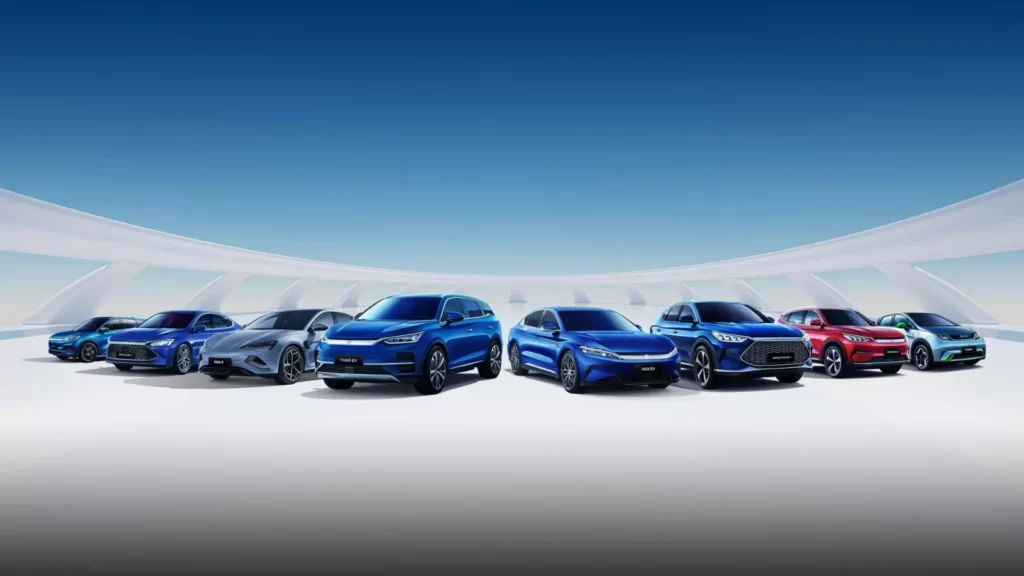
However, longer-term prospects appear brighter. As consolidation reduces excess capacity and eliminates marginal competitors, the surviving companies will be larger, more efficient, and better capitalised. These consolidated players will invest heavily in technology, expand internationally, and eventually restore profitability.
By 2028, China’s automotive industry will likely resemble other mature industries: dominated by a small number of powerful companies that set market standards and drive innovation. These Chinese automotive giants will compete on a truly global scale, potentially becoming the world’s most competitive car makers.
For consumers, this means fewer brand choices but better quality, more advanced technology, and superior long-term reliability. For investors, it suggests the companies surviving this shakeout will become enormously profitable and powerful.
The race for consolidation is on. Only the strongest, most efficient, and most strategically positioned companies will survive. And the winners could reshape the global automotive industry.
Key Statistics
| Metric | Figure |
| BYD Market Share | 27.4% |
| Geely Market Share | 12.5% |
| SAIC-GM-Wuling Market Share | 7% |
| Industry Profit Margin (2025) | 4.4% |
| Industry Profit Margin (2022) | 5.7% |
| Profit per Vehicle (2025) | £1,280 |
| Profit per Vehicle (2022) | £1,600 |
| BYD Sales (Jan–Nov 2025) | 3.1M+ vehicles |
| Chinese Brand EV Market Share | 84% |
| Foreign/JV EV Market Share | 16% |
| Manufacturers in 2019 | ~500 |
| Manufacturers in 2025 | ~100 |
| Projected Manufacturers by 2028 | 8–12 |
| Cost Growth Rate | 9% annually |
| Revenue Growth Rate | 8% annually |
The Timeline
Late 2025: Major consolidations completed; profitability crisis reaches peak
Early 2026: Weaker brands disappear; cost-cutting accelerates; trade-in subsidies stimulate demand
2026–2028: Remaining 8–12 players consolidate 60–70% market share; international expansion accelerates; technology investment intensifies
Post-2028: Consolidated Chinese automakers compete globally as equals to Tesla and European manufacturers.
Find the best used cars for sale in the UAE.
Stay tuned to UAE’s most popular auto blog for more information about the latest happenings in all of the Emirates.
FAQs
Why are Chinese car manufacturers consolidating in 2026?
Chinese automakers are consolidating due to intensifying competition, rising production costs (up 9% annually), and collapsed profit margins dropping from 5.7% (2022) to 4.4% (2025). Merging brands eliminates duplicate R&D, marketing, and administration costs, enabling companies to survive the severe profitability crisis and price wars ravaging the industry.
What happened to Geely and Zeekr in December 2025?
Geely Automobile completed its acquisition of Zeekr, delisting it from the NYSE and integrating it as a wholly-owned subsidiary. The merger unified three brands—Geely, Lynk & Co, and Zeekr; under centralised management. Geely projects 10-20% savings on development costs and 5-8% procurement savings from consolidation and elimination of duplication.
How many Chinese car manufacturers have disappeared since 2019?
From 2019 to 2025, Chinese car manufacturers plummeted from approximately 500 to roughly 100. Industry forecasts predict only 8-12 major players will survive by 2028. This dramatic die-off reflects overcapacity, intense price competition, and the inability of smaller brands to sustain losses while investing in technology.
Which Chinese car companies now dominate the market?
BYD leads with 27.4% EV market share (3.1M+ vehicles sold Jan-Nov 2025). Geely captured 12.5%, and SAIC-GM-Wuling holds 7%. The top three companies control approximately 47% of the market. Chinese brands collectively captured 84% of the EV market, whilst foreign manufacturers hold only 16%.
Will Chinese car prices ever return to 2022 levels?
No. Industry experts predict that profit margins will recover to 6-8% by 2028, driven by consolidation and reduced overcapacity. However, prices will permanently stabilise at lower 2025 levels. Consumers benefit from cheaper vehicles indefinitely, but surviving consolidated automakers will eventually restore healthy profitability through efficiency gains.
Follow us on

Recent Stories
New UAE Fuel Prices: April Petrol Price Increase Announced
With a petrol price increase, new fuel prices for April 2026 are AED 3.20 for E-Plus 91, AED 3.28 for...
2027 Corvette Grand Sport and Grand Sport X Revealed
Chevrolet officially revealed the 2027 Corvette Grand Sport and Grand Sport X on 25 March 2026, marking the return of...
Approved Automotive Launches ‘A Year Of Peace’ Campaign To Shield Buyers From Potential Price Hikes
In a market where timing can make all the difference, Approved Automotive is making a compelling case for buying now...
All-New Audi Q9 Launching This Year: All You Need To Know
The Audi Q9 is Audi’s upcoming full-size luxury SUV, positioned above the Audi Q7 and Audi Q8. It represents Audi’s...
New 2027 BMW i3 Revealed: Up To 900KM Pure EV Range
BMW has officially revealed the all-new 2027 BMW i3, marking a major shift in the brand’s electric vehicle strategy. Unlike...

Al Qassim Cars Trading Partners With DubiCars To Increase Digital Footprint
DubiCars, the UAE’s number 1 car marketplace, and Al Qassim Cars Trading have partnered to bring an extensive range of...