A Complete Guide to UAE Traffic Signs & Road Markings
 April 10, 2025
, 7 Min Read
April 10, 2025
, 7 Min Read
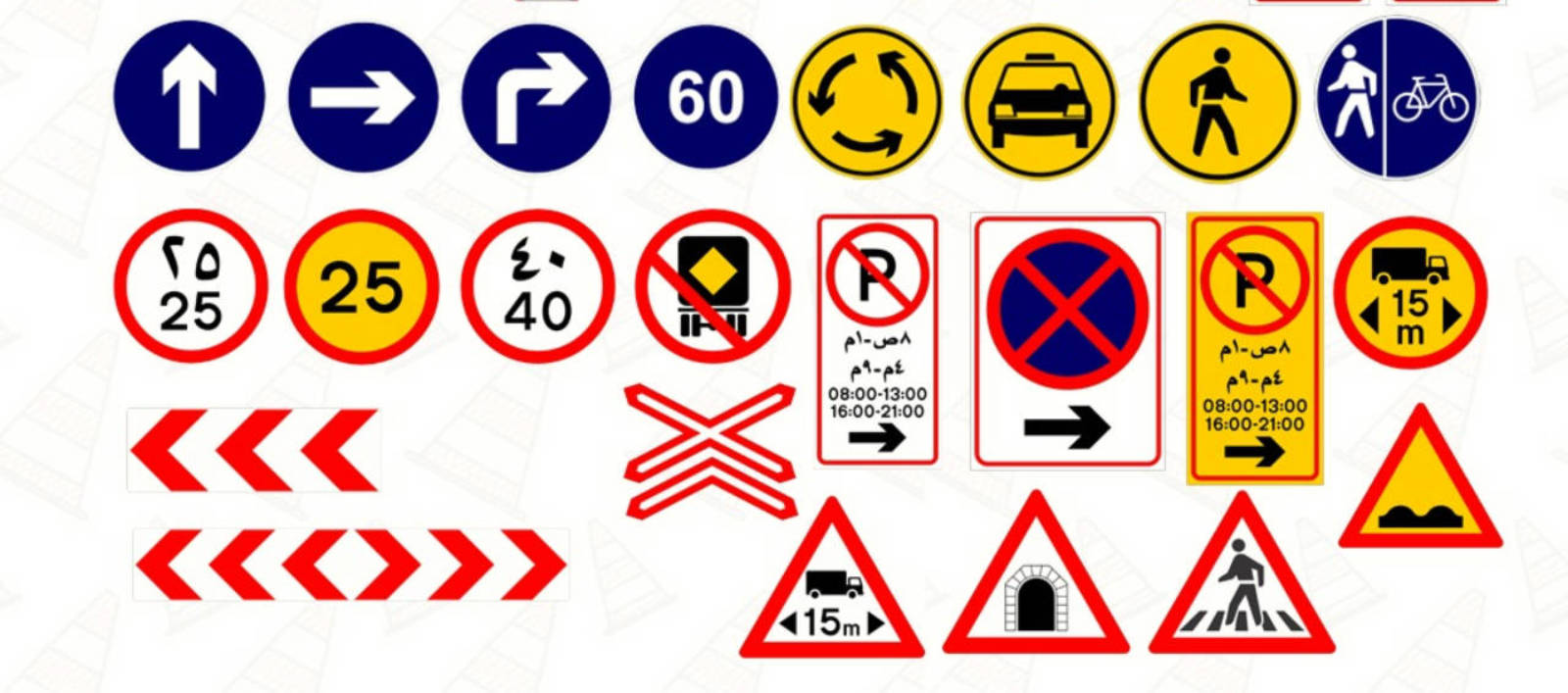
UAE Traffic Signs At Glance
Navigating the roads in the United Arab Emirates requires a solid understanding of its traffic rules, particularly the signs and markings that ensure safe and efficient driving. Whether you’re a new resident, a tourist, or preparing for your driving test, this comprehensive guide will help you understand all UAE traffic signs and road markings, their meanings, and why they matter.
Why UAE Traffic Signs Are Important
Traffic signs in the UAE are more than just visual aids—they are legal indicators that guide, inform, and warn drivers. From speed limits and lane directions to prohibited actions and safety alerts, these signs are designed to make the roads safer for all users, including drivers, pedestrians, and cyclists.
The UAE follows internationally recognized standards, with bilingual signage (Arabic and English) and universally understood symbols regulated by authorities like the Roads and Transport Authority (RTA) and Abu Dhabi’s Integrated Transport Centre (ITC).
Categories of Traffic Signs in the UAE
1. Mandatory Traffic Signs
Mandatory signs dictate specific actions drivers must take. Typically circular with blue backgrounds, they include:
- Turn right only
- Ahead only
- Minimum speed limit (e.g., 60 km/h)
- Keep left or keep right
- Travel in the direction of the arrows on roundabouts
These signs are legally binding, and failing to obey them can result in penalties. Mandatory speed limit signs help enforce safe driving behavior on highways and urban roads. Here’s why speed limits are so important to road safety in the UAE.
2. Control Signs
Control signs manage the flow of traffic and determine the right of way. They are often used at junctions and pedestrian crossings:

- Give way
- Stop
- No entry
- You must go this way (ahead, left, or right)
- Pedestrian has the right of way
Failing to obey a stop sign in the UAE is a serious offense that can result in hefty fines and black points. Learn more about stop sign violations and their penalties here.
3. Parking Control Signs
Parking signs indicate where and when parking is permitted or restricted. They may also identify spaces reserved for specific vehicle types.
- Parking allowed
- No parking or stopping
- Paid parking (with time restrictions)
- Parking reserved for taxis, buses, loading/unloading zones
- Metered parking on side roads
Different emirates like Sharjah also have their own specific rules and signage. Here’s a guide to parking zones, timings, and rules in Sharjah.
Handicapped Parking
Designated with a blue sign and a wheelchair symbol, these areas are exclusively for people of determination. A valid permit must be displayed to park here legally.
4. Freeway Control Signs
These signs mark the beginning and end of controlled freeway routes, helping drivers understand entry and exit points for expressways.
5. Prohibitory Road Signs
These signs indicate prohibited actions, typically shown in red-bordered circles:
- No U-turn
- No overtaking
- No horn
- No heavy vehicles or goods transport
- No pedestrians or cyclists
- Maximum height limits
Ignoring these signs can lead to serious violations and fines.
6. Trailblazing Guide Signs
These guide drivers along specific routes to major landmarks or destinations:
- Airport signs (✈️ symbol)
- Directions to city centers
- Dubai route numbers
- Freeway and intercity highway markers
One of the common trailblazing and guide signs you’ll see on Abu Dhabi roads is for the Darb toll gates. Here’s everything you need to know about the Darb toll system.
7. Guide Signs
Used to provide direction, street names, and route numbers. Color codes on these signs denote the type of route:
- Blue: National routes (Emirates Route)
- Green: Local Dubai routes
- White: Local road and destination information
Brown: Tourist attractions and recreational areas
8. Advance Guide Signs
These signs offer early information about upcoming exits, destinations, or lane changes, including:
- Route symbols
- Trailblazing directions (left, right, straight)
- Exit lane guidance
9. Exit Direction Signs
Usually placed near highway exits, these signs guide drivers to shift lanes in advance. A white exit panel indicates a lane that will diverge from the main route.
10. Warning Signs
Warning signs alert drivers about hazardous conditions or changes in road design. Typically triangle-shaped with red borders, these include:
Types of Warning Signs:
- Advanced Warning Signs: Curves, junctions, roundabouts, two-way traffic, pedestrian crossings
- Diagrammatic Warning Signs: Highlight complex hazards or lane changes, especially on high-speed roads
- Hazard Marker Signs: Indicate obstacles like guardrails, traffic islands, or road narrowing
Additional Essential Traffic Signs

- No through road
- Road clear
- Hospital ahead
- Reduce speed now
- Countdown markers for exits
- Parking for diplomats only
- Diversions and detour signs
- Lane open/close indicators
Understanding UAE Road Markings
Besides traffic signs, road markings provide crucial guidance, often when signage is absent. Mastering them is essential for safe driving and passing your driving test in the UAE.
1. Regulatory Road Markings
These markings indicate rules you must follow:
- No Passing Line: Continuous yellow line—no overtaking allowed
- Stop Line: Solid white line—stop before the line at junctions or signals
- Give Way Line: Broken white line—yield to oncoming traffic
- Pedestrian Crossing: Multiple white stripes—stop for pedestrians
- Box Junction: Yellow diagonal grid—don’t block intersections
2. Warning Road Markings
These alert drivers to upcoming hazards:
- Rumble Strips: Raised yellow stripes that vibrate—alert drowsy drivers
- Speed Hump Markings: Broken yellow lines before speed bumps
- Tram Crossing Markings: Large white crosses—caution near tram/rail lines
3. Guidance Road Markings
These help drivers position their vehicles correctly:
- Broken Yellow Lines: Center of two-way roads—cross with caution
- Broken White Lines: Lanes in the same direction—lane changes allowed
- Solid Lines: No lane change or overtaking allowed
- Double Yellow Lines (solid/broken): Overtake only if on the broken side
- Lane Arrows: Indicate direction of travel at intersections and roundabouts
Traffic signs and road markings in the UAE are vital for maintaining order, reducing accidents, and guiding millions of vehicles every day. With a diverse population on the roads, the UAE has implemented a system that’s easy to understand and internationally recognized.
Whether you’re a seasoned resident or a new driver, make sure to review these signs and markings regularly. Doing so helps you stay compliant with the law and ensures safer journeys for everyone. For a detailed breakdown of common offenses and fines across the Emirates, especially in the capital, check out this full list of Abu Dhabi traffic violations.
FAQs
What are the penalties for ignoring traffic signs in the UAE?
Ignoring traffic signs, such as failing to stop at a stop sign, can result in fines and black points on your driving record. For instance, not stopping at a stop sign in Abu Dhabi can lead to a fine of AED 500.
How are speed limits communicated to drivers during adverse weather conditions?
In the UAE, modified speed limits during bad weather are displayed on smart overhead gantries and fixed speed limit signs with warning lights, signaling drivers to reduce their speed to 80 km/h.
Are there specific parking signs in Sharjah I should be aware of?
Yes, Sharjah has designated parking spaces marked with blue and white curb markings and clear signage indicating usage and fees. It’s essential to follow these signs to avoid fines.
What is the significance of the Darb toll gate signs in Abu Dhabi?
Darb toll gate signs indicate the presence of automated tolling systems designed to manage traffic congestion. Understanding these signs helps drivers comply with toll regulations and avoid fines.
How do speed limits contribute to road safety in the UAE?
Speed limits are set to prevent accidents, protect pedestrians, and ensure efficient traffic flow. Adhering to these limits is crucial for the safety of all road users.
Find the best cars for sale in the UAE.
Stay tuned to UAE’s most popular auto blog for more automotive content.
Also Read:
- Abandoned Cars In The UAE: Top Things To Know
- Guide To Automotive Terms — Car Segments
- How To Get The Best Price For My Used Car?
Follow us on

Recent Stories

The Dubai Luxury Car Rental Guide For Tourists Who Actually Want to Drive Something Interesting
Most guides to luxury car rental Dubai tell you the same things. Smooth roads. Great value compared to Europe. Book...
Used Car Inspection In The UAE: Warning Signs Before You Buy
Buying a used car in the UAE can save you a considerable amount of money, especially when compared to purchasing...
New Chinese SUV Or Used Japanese SUV For The Same Money
Imagine having AED 100,000 to spend on an SUV in the UAE. You could drive home in a brand-new Chinese...
Who Is Dubi? The DubiCars Way Forward
A first car. A family upgrade. A weekend toy that requires a slightly creative explanation at home. Every car search...

Used Nissan Patrol Buying Guide: What To Check Before Paying
Few used SUVs have as much appeal in the UAE as the Nissan Patrol. Whether it is an old-school Y60,...
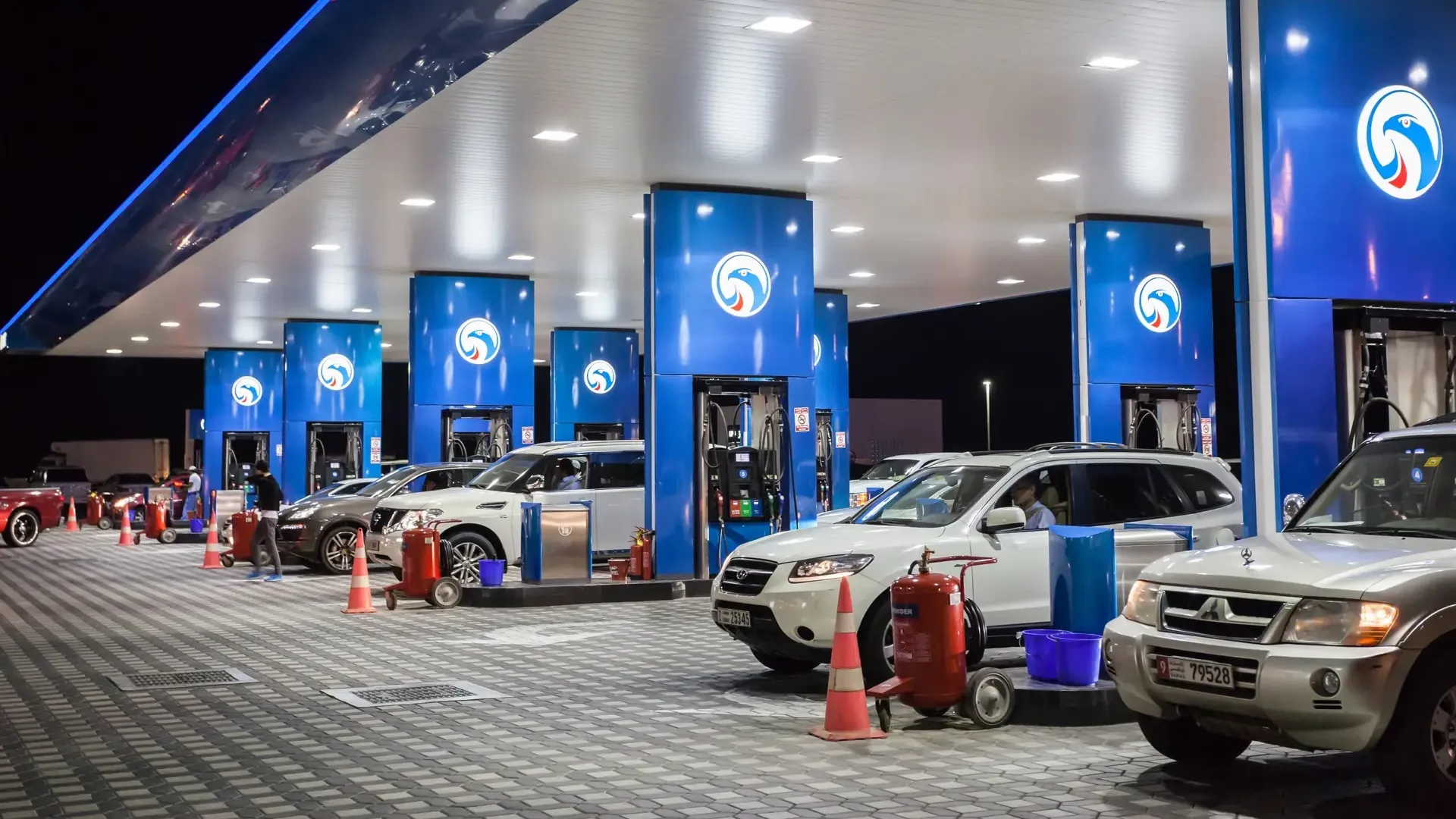
What Do High Fuel Prices Mean For Car Buyers In The UAE?
Fuel prices are rising in the UAE and across other global markets. But fuel price increases don’t instantly change car...