
Cost To Sell Your Car In Dubai — Fees, Steps, & Insider Tips
 August 18, 2025
, 5 Min Read
August 18, 2025
, 5 Min Read

Selling a car in Dubai involves several important steps, including understanding the costs related to ownership transfer. Whether you are selling privately or through a dealership, knowing the right fees, required paperwork, and legal procedures ensures a smooth and hassle-free transaction. This guide covers everything you need to know about selling your car in Dubai.
 AI Quick Summary
Selling a car in Dubai requires specific documentation (Emirates IDs, Mulkiya, insurance, inspection report, and a signed sales agreement) and the payment of transfer fees, which vary depending on vehicle type. Sellers must also clear any outstanding fines and ensure the vehicle passes inspection if it's over three years old, while buyers need valid insurance. The entire process can be completed at an RTA center or approved service providers.
This summary was generated by AI using this article’s content.Read Next

Costs To Sell Your Car In Dubai
When selling a car, you need to be aware of the various official fees. Below is the updated cost breakdown for transferring ownership in Dubai:
- Light Vehicle (Private/Public): AED 350
- Private Vehicle (3–12 tonnes): AED 400
- Public Vehicle (3–12 tonnes): AED 650
- Private Vehicle (above 12 tonnes): AED 800
- Public Vehicle (above 12 tonnes): AED 1,000
- Private Light Mechanical Equipment: AED 500
- Public Light Mechanical Equipment: AED 700
- Private Heavy Mechanical Equipment: AED 800
- Public Heavy Mechanical Equipment: AED 1,000
- Trailer and Semi-Trailer: AED 120
- Bus (14–26 passengers): AED 300
- Bus (more than 26 passengers): AED 600
- Motorcycle: AED 200
Other Fees Include:
- Sale and Purchase Agreement: AED 50
- Short Plate: AED 35
- Long Plate: AED 50
- Short Classical Plate: AED 150
- Long Classical Plate: AED 150
- Dubai Branded Plate: AED 200
- Luxury Plate: AED 500
- Knowledge and Innovation Fees: AED 20
Additional costs may include vehicle inspection, insurance updates, and clearing any pending traffic fines. Always confirm the latest fees with the Dubai RTA before proceeding.
Steps To Selling Your Car In Dubai
Prepare the Required Documents
Make sure you have:
- Emirates ID (for both buyer and seller)
- Vehicle registration card (Mulkiya)
- Valid insurance (under the buyer’s name)
- Vehicle inspection report (if required)
- Signed sale agreement
Get a Vehicle Inspection at an RTA Centre
If the vehicle is over three years old, it must pass a roadworthiness inspection at an authorised centre like Tasjeel, Shamil, or Mumayaz.
Complete the Sale and Sign the Paperwork
Both parties must sign the sale agreement. This step legally binds the sale.
Pay the Necessary Fees
Pay the ownership transfer fees and any additional charges directly at the RTA centre.
Receive the New Registration Card
After completing the paperwork and payment, the buyer will receive a new Mulkiya (registration card) confirming the change of ownership. For a detailed guide on selling your car in Dubai, click here.
Additional Tips For Selling Your Car In Dubai
- Check market prices before listing your car. Here is a detailed guide on how to get a valuation done for your car.
- List Your Car On DubiCars and reach 3 million potential buyers. Unlike some platforms that claim to offer free ad posting but limit your reach or charge hidden fees, DubiCars provides premium visibility to help you sell your used car faster.
- Keep the car clean and serviced, as a well-maintained car attracts buyers faster.
- Always meet buyers at an RTA service centre and avoid online payments.
- Consider obtaining a professional inspection to instil buyer confidence.
- Any outstanding fines must be cleared before transferring ownership.
- Ensure the new owner has valid insurance before initiating the process.
- The seller should retain a copy of the sale agreement for legal purposes.
Selling a car in Dubai involves ownership transfer fees, administrative steps, and vehicle inspection requirements. Understanding these costs and ensuring you have the necessary documents can help streamline the sale process.
FAQs
What documents are required to transfer car ownership in Dubai?
To sell a car in Dubai, you need an Emirates ID (for both buyer and seller), a vehicle registration card (Mulkiya), valid insurance under the buyer’s name, a vehicle inspection report (if needed), and a signed sale agreement.
How much does it cost to transfer car ownership in Dubai?
The fees depend on the vehicle type. For light vehicles, it’s AED 350. Other vehicles like heavy trucks and buses have higher fees. An additional AED 50 is charged for the sale agreement, and AED 20 for knowledge fees.
Where can I complete the car ownership transfer process in Dubai?
You can complete the transfer at any RTA customer happiness centre or approved service providers like Tasjeel, Shamil, Mumayaz, or Wasel.
Does the vehicle need an inspection before transfer?
Yes, if the car is more than three years old, it must undergo and pass a roadworthiness inspection at an authorised RTA centre before the ownership transfer.
Can I transfer ownership if there are outstanding fines?
No, all outstanding traffic fines must be paid before you can complete the ownership transfer. The system will block the process until all dues are cleared.
What steps should I take to prepare my car for sale?
Clean your car, fix minor issues, gather all documents, get a valuation if needed, and consider a professional inspection to build buyer confidence and secure a better selling price.
Are there online platforms recommended for selling my car in Dubai?
Yes, DubiCars is a leading platform that helps you reach over 3 million potential buyers monthly, offering premium visibility without hidden charges.
Find the best cars for sale in the UAE.
Stay tuned to UAE’s most popular auto blog for more information about the latest happenings in all of the Emirates.
Follow us on

Recent Stories
Trade-In vs Private Sale In The UAE: Which Leaves You With More Money?
Selling your car before upgrading should put money towards your next purchase. Yet the highest offer doesn’t always mean the...

Selling Your Financed Car In The UAE: A Comprehensive Guide
Selling a financed car in the UAE may seem like a daunting task, but with proper planning and knowledge, it...
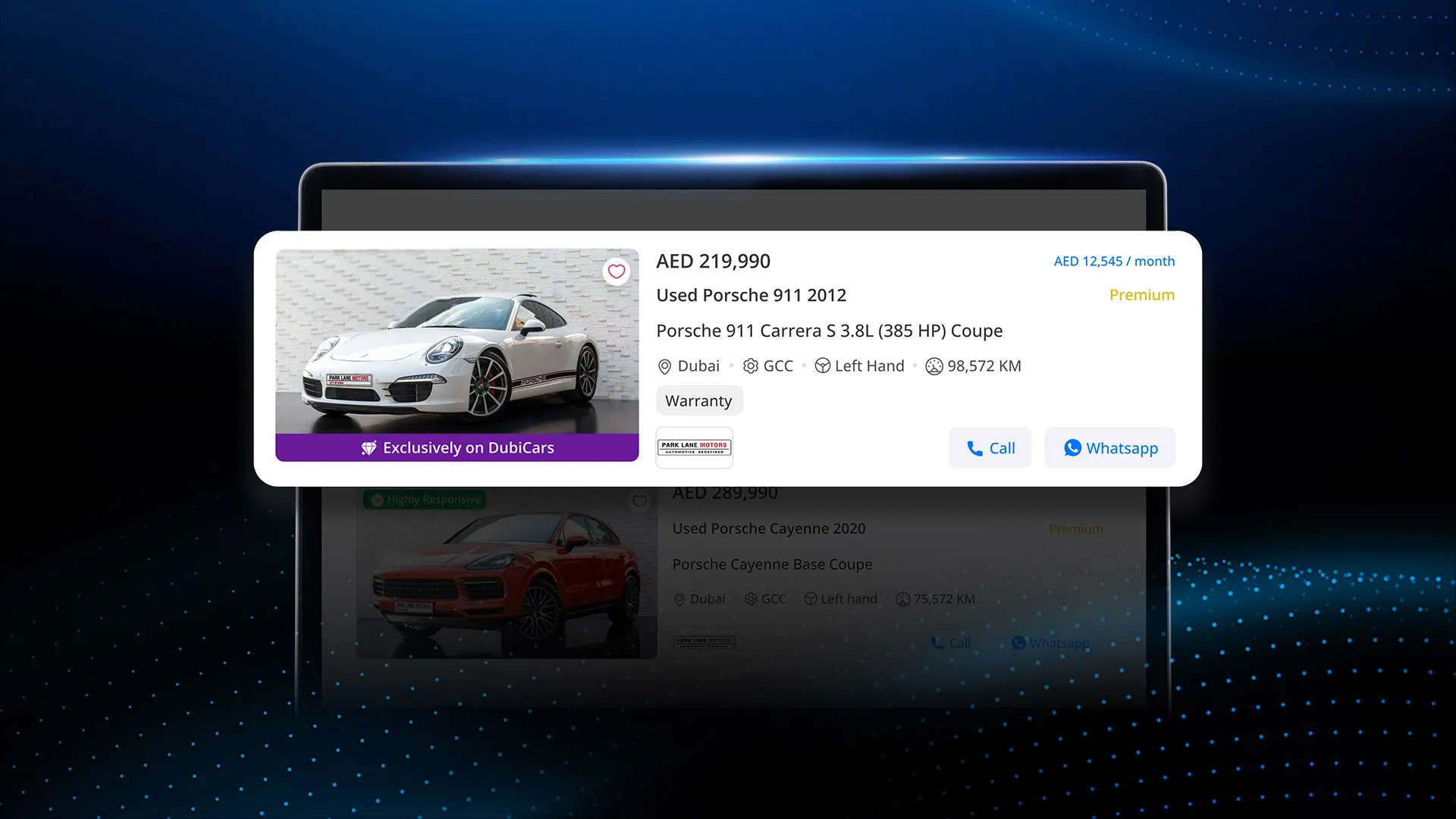
Why Exclusive Listings Are Becoming A Competitive Advantage
In today’s car market, having more listings is no longer enough. What matters is having the right listings, and more...
How To Sell Your Car During Ramadan In The UAE: Smart Seller’s Guide
Ramadan is not only a strong season for car buyers, but it can also be a smart time to sell...
Complete List Of Documents Needed To Sell A Car In Dubai
Selling a car in Dubai requires the right documentation to ensure a smooth and legal transaction. Whether you are selling...
How To Sell Your Car In Dubai
Planning an upgrade or just need to sell your car for a bit of extra cash? Not sure how to...