
UAE Exits OPEC: Will Petrol Prices Drop? What It Means For Car Owners In 2026
 April 30, 2026
, 7 Min Read
April 30, 2026
, 7 Min Read
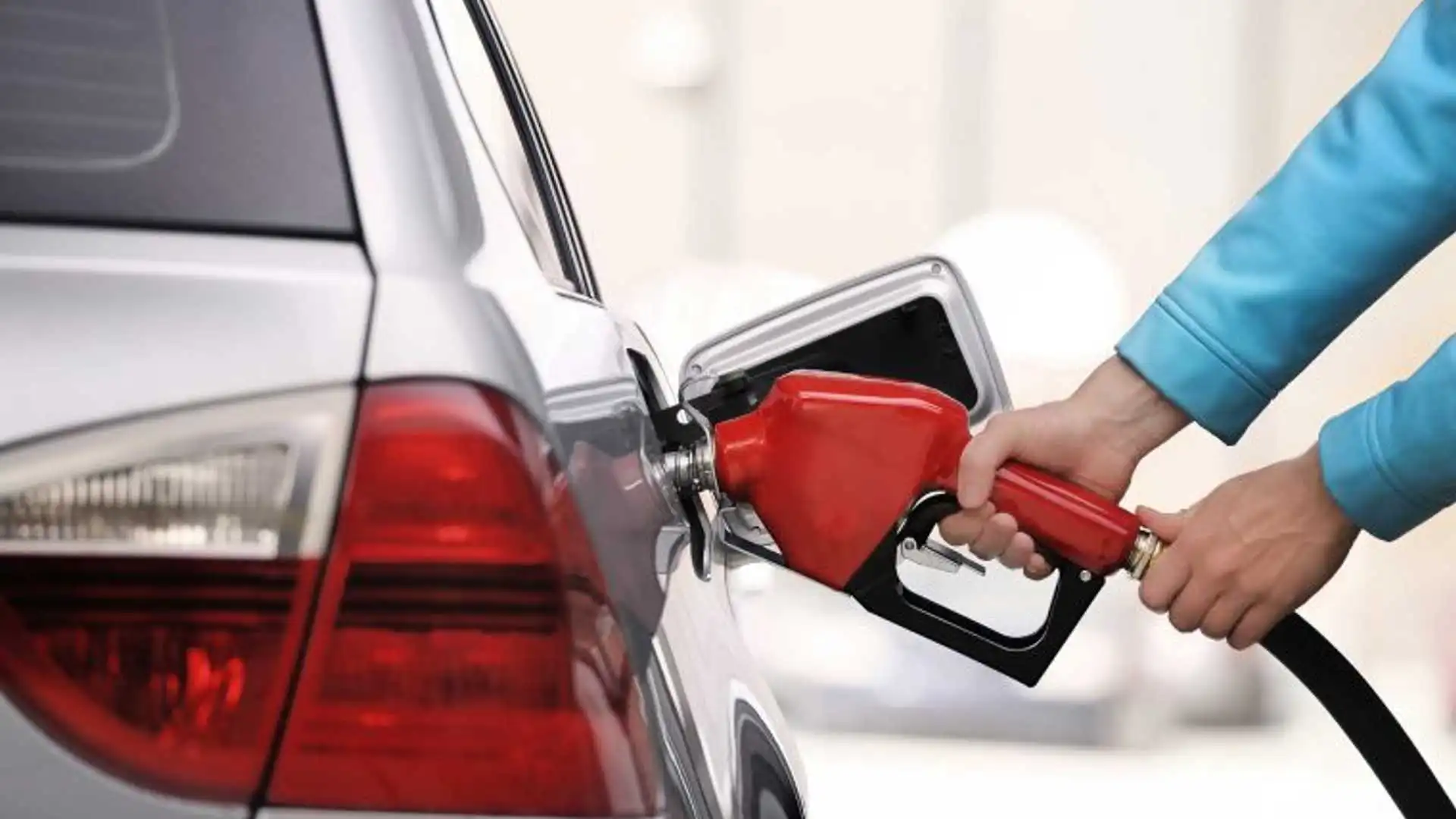
The UAE has exited OPEC after more than six decades. It’s a move that will reshape oil markets in the long run, but with oil prices already climbing, what does it actually mean for drivers and car buyers right now?
 AI Quick Summary
The UAE has exited OPEC after six decades to gain independent control over its oil production, a move expected to offer long-term market flexibility. However, current fuel prices are at record highs for drivers due to surging global crude prices and ongoing supply disruptions, with no immediate relief expected. While lower prices are a mid-to-long-term possibility, car buyers are currently favoring hybrids for consistent savings.
This summary was generated by AI using this article’s content.Read Next


UAE Exits OPEC: A Major Shift
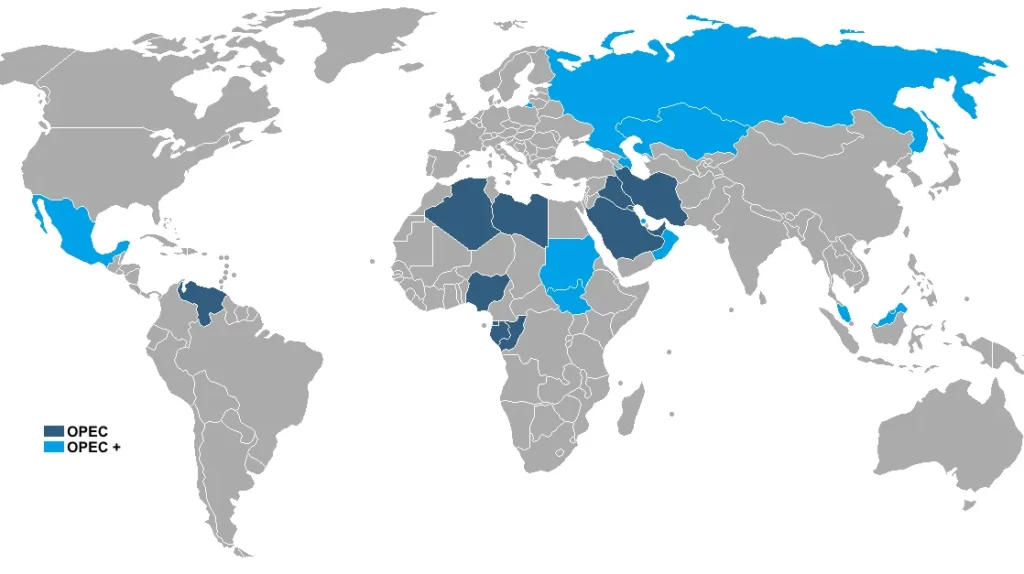
The UAE has officially exited OPEC, effective May 1, 2026, ending a relationship that dates back to 1967. This is a big move, giving the country more control over how much oil it produces and when. But here’s the catch. This decision comes at a time when fuel prices are already rising sharply.
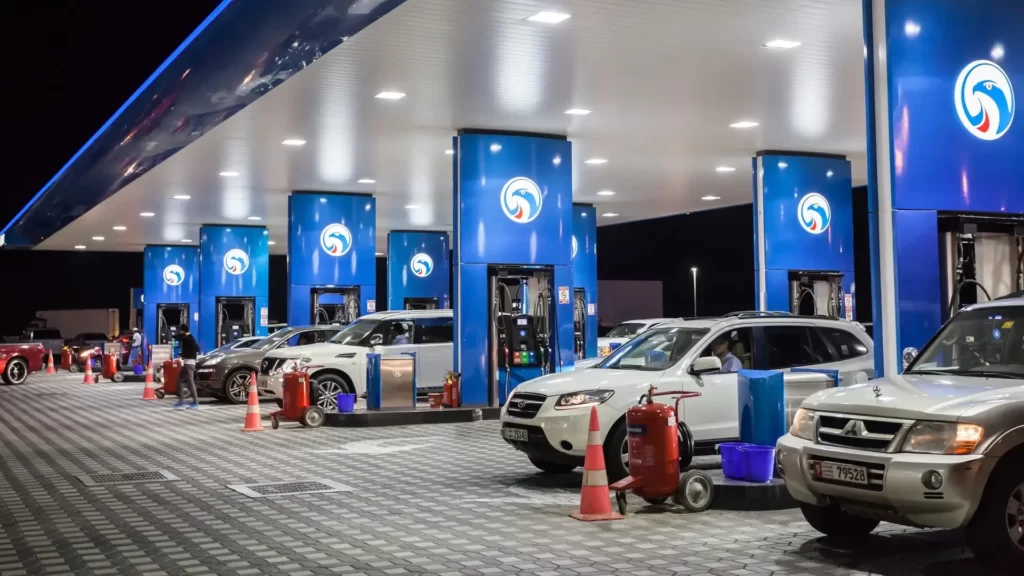
In April 2026, E-Plus 91 jumped to AED 3.20 per litre, while Super 98 hit AED 3.39. Fuel prices for May 2026 have also been announced, with an increase of up to AED 0.28 per litre of petrol, taking E-Plus prices to AED 3.48. These are not subtle increases. In fact, as of May 2026, fuel prices are at their highest since August 2022. At the same time, global oil prices are surging.
After the OPEC exit made headlines, Brent crude hit over $117 per barrel, which is the highest since June 2022. For perspective, crude oil cost just $72.77 per barrel on 27 February before the whole geopolitical crisis took shape. Add to that the ongoing disruption in the Strait of Hormuz, and you’ve got a situation where supply is tight, and prices are being pushed upward from all directions.
Will UAE Fuel Prices Drop After OPEC Exit?
This is the big question on everyone’s minds: after a 33.3% increase in fuel prices for April 2026 plus an additional 8.75% in May, will fuel prices decrease? In the short-term, the answer is no. At least, not immediately. It will eventually happen, benefiting consumers in the mid-term and long-term. Fuel prices in the UAE are linked to global oil prices, and right now, those are moving in the opposite direction.
With Brent crude above $114 per barrel and supply disruptions still ongoing, there is no immediate downward pressure on prices. Plus, the UAE revises fuel prices monthly. Even if global oil prices were to drop suddenly, the resulting fuel price decrease would not take effect until the next month to show up at the pump.
What Does DubiCars Data Reveal About Car Buyers In The UAE?
In the UAE, EV interest seems to follow fuel price movements very closely, but only in the short term. Data from DubiCars reveals that electric vehicles see sharp spikes in interest when fuel prices go up. But that interest fades quickly once prices stabilise.
| Petrol Price Increase | EV Demand Spike | |
| March to July 2022 | 50.2% | 188.9% |
| September 2023 | 9.5% | 21.8% |
| May 2024 | 6.4% | 56.2% |
Hybrids tell a different story. Their growth has been steady and consistent, increasing nearly 12x since 2022. They don’t rely on fuel price shocks to gain traction. That tells you everything you need to know about buyer behaviour in the UAE.
People explore EVs when fuel gets expensive, but commit to hybrids when making real decisions. Hybrids remain the smarter choice right now and are most likely to remain so in the short or long term. When the OPEC exit results in lower fuel prices in the long term, the running costs of hybrids will drop even further, making them even more attractive.
Why Has The UAE Exited OPEC After More Than 60 Years?
The official reasoning is straightforward: flexibility. The UAE wants the ability to adjust its oil production based on its own strategy rather than collective quotas. This aligns with its long-term vision of expanding domestic energy capacity while maintaining a stable and reliable supply to global markets.
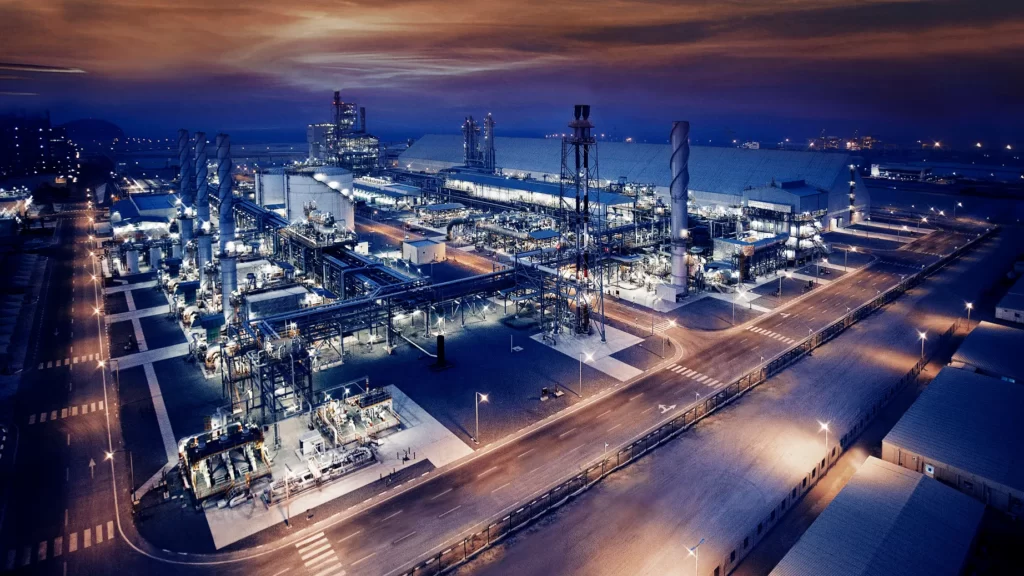
There’s also a bigger picture here. The UAE is investing heavily across the energy spectrum, from traditional oil and gas to renewables and low-carbon solutions. Exiting OPEC gives it the freedom to respond faster to market changes while still positioning itself as a responsible global supplier.
Why Are Petrol Prices Rising Right Now Despite The UAE’s OPEC Exit?
The short answer is that global pressure is currently overpowering local changes. Take a look at E-Plus 91 prices over the last six months:
- December 2025: AED 2.51
- January 2026: AED 2.34
- February 2026: AED 2.26
- March 2026: AED 2.40
- April 2026: AED 3.20
- May 2026: AED 3.48
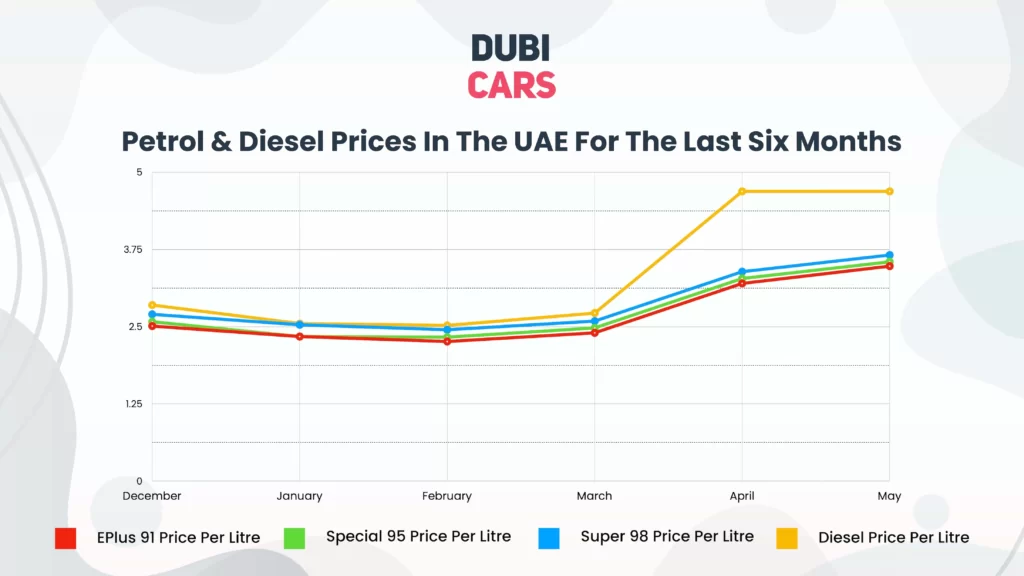
At a 33.3% hike, that April increase stands out, and so does the 8.75% increase in May, and it directly mirrors what’s happening globally. Brent crude followed a similar trajectory:
- Feb 27: $72.77
- March 29: $112.78
- April 29: $114.28
The main trigger here is supply concerns. Even the risk of reduced flow is enough to push prices higher. Oil markets react fast, and when supply looks uncertain, prices move up quickly. In this case, it is not just the risk of reduced flow, but reduced flow in reality. The Strait of Hormuz, which handles around 20% of global oil trade, has been under disruption since 28 February 2026, thereby pushing up oil prices, resulting in higher fuel prices.
How Is Fuel Priced In The UAE?
Fuel prices in the UAE have been deregulated since 2015. That means they are based on international market conditions and not fixed locally. The final price you pay includes:
- Global crude oil prices
- Refining costs
- Distribution and logistics
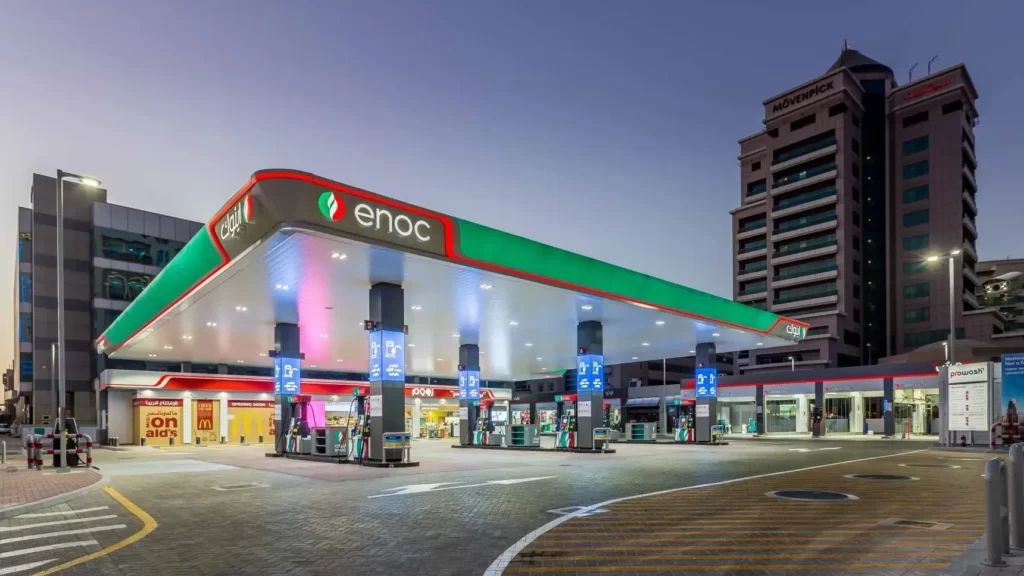
A government committee reviews and adjusts prices every month, and new fuel prices for the next month are announced on the last day of the current month. While some countries react almost instantly to global price changes, the UAE typically reflects those shifts in the following month. That’s why the UAE felt the impact of the February-March oil surge more clearly in April and May, while other countries reacted almost immediately in the first week of March.
Could The UAE Leaving OPEC Lower Fuel Prices Long-Term?
This is where things get interesting. By exiting OPEC, the UAE gains the ability to increase production independently. In theory, producing more oil adds supply to the global market, which can put downward pressure on crude prices.
If the UAE ramps up output significantly, it could contribute to a reduction of around $5 to $10 per barrel in global oil prices over time. That would eventually translate into lower fuel prices both locally and globally. But there’s a condition attached to that: the oil needs to move.
Why The Strait Of Hormuz Still Controls Everything
Production is only half the story. Distribution is what actually determines supply. The Strait of Hormuz is one of the most critical oil shipping routes in the world. Right now, disruptions there are tightening global supply regardless of how much oil is being produced.
The UAE does have a workaround in the form of the Habshan–Fujairah pipeline, which allows oil to bypass Hormuz. But it has limits. The operational capacity of this pipeline is said to be 1.8 million barrels per day, but the UAE intends to increase capacity to over 5 million barrels per day. A significant portion of that oil still needs to be shipped through traditional routes.
So even if the UAE starts producing more oil tomorrow, the full impact won’t be felt unless shipping conditions stabilise. In simple terms, more oil doesn’t automatically mean lower prices if it can’t reach the market efficiently.
What Does This Mean For UAE Car Owners?
Short-Term
Fuel prices are likely to remain relatively high and volatile. The current global situation is the dominant factor.
Mid-Term
As supply conditions improve, prices could stabilise.
Long-Term
This move puts the UAE in a stronger position to influence supply and potentially keep fuel prices more controlled. That’s where the real benefit lies.
Thoughts On The UAE’s OPEC Exit Shaping Car Ownership
The UAE leaving OPEC is a significant shift with long-term implications for global oil markets and the local economy. It gives the country more control and flexibility, which could eventually influence fuel prices.
But today’s reality is different. Global oil prices are high. Supply routes are under pressure. And those factors matter far more in the short term than any policy change. Fuel prices may come down eventually. Just not overnight.
Explore over 27,000 listings and find the best cars for sale in the UAE.
Stay tuned to the UAE’s most popular auto blog for more automotive content.
Follow us on

Recent Stories

Farizon V7E Electric Van Launched In The UAE: Prices Start At AED 115,000
Jameel Motors has launched the Farizon V7E in the UAE, giving logistics companies, delivery operators, small businesses and service fleets...
New Citroen C5 Aircross Launched In The UAE At AED 106,999
The all-new Citroen C5 Aircross is officially launched in the UAE, bringing a completely redesigned version of the French brand’s...

New 2027 Toyota Land Cruiser FJ Launched In UAE: FJ Cruiser Returns?
The FJ name is back in the UAE, and Toyota has attached it to something even bigger this time. The...

Land Rover Defender Pickup Truck Coming Soon: What We Know So Far
A modern Land Rover Defender pickup could finally be on the way. Recent reports suggest JLR is working with Stellantis...

Porsche Sells Bugatti Rimac Stake: Abu Dhabi Investor Takes 30% Share
Porsche has completed the sale of its stakes in Bugatti Rimac and Rimac Group, bringing approximately €1 billion into Stuttgart...

2027 GAC GS7 PHEV Launched In The UAE At AED 159,900
GAC has officially launched the all-new 2027 GS7 PHEV in the UAE, expanding its electrified SUV line-up with a five-seat...