
Petrol Prices Rise In The UAE: Why Costs Increased And How To Save On Fuel
 October 6, 2026
, 5 Min Read
October 6, 2026
, 5 Min Read
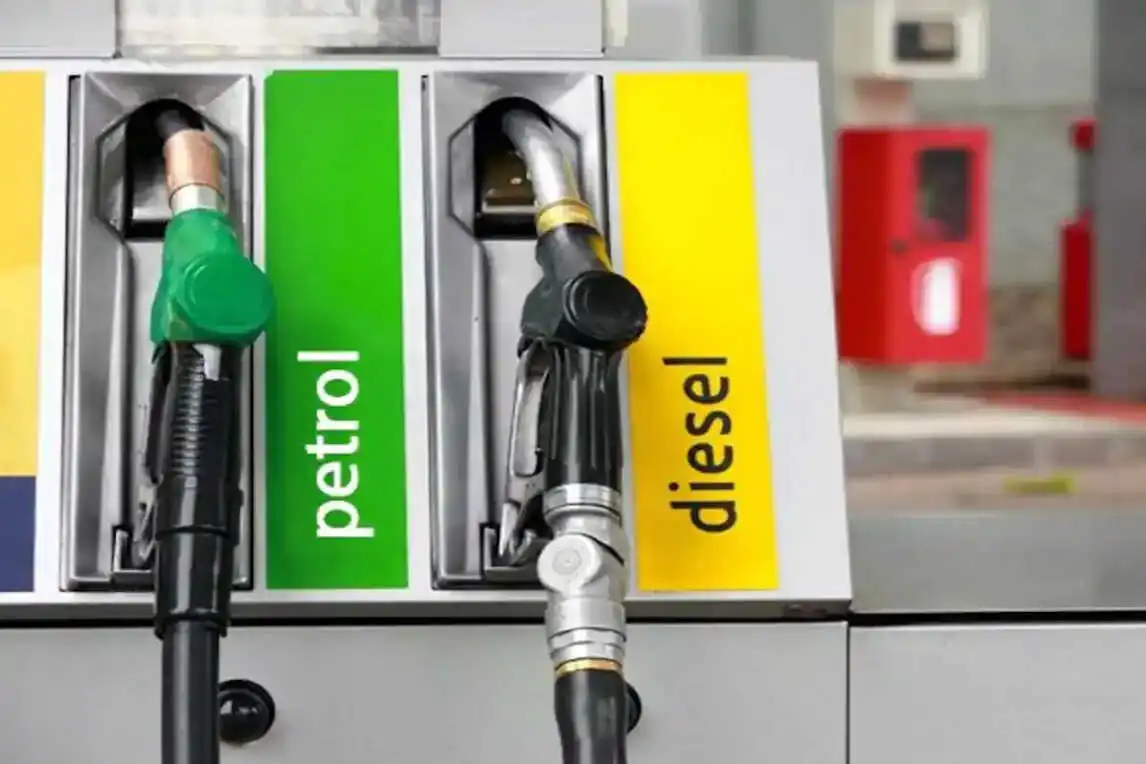
Fuel prices in the UAE have seen a sharp rise in October 2026, placing added pressure on everyday drivers. With petrol costs now significantly higher, managing fuel expenses has become more important than ever for residents across the country.
 AI Quick Summary
UAE fuel prices reached their second-highest levels ever in October 2026, primarily driven by global crude prices, OPEC+ decisions, and regional tensions, increasing costs for drivers by AED 40–72 per tank. To mitigate these expenses, motorists can adopt fuel-efficient habits like smoother driving, proper vehicle maintenance, and efficient trip planning, which can improve fuel efficiency by 10-30%.
This summary was generated by AI using this article’s content.Read Next


In October 2026, fuel prices hit their second-highest point in history, after July 2022:
- Super 98: AED 4.40 per litre
- Special 95: AED 4.28 per litre
- E-Plus 91: AED 4.21 per litre
For most drivers, this means paying an additional AED 40 to AED 72 per full tank, depending on the vehicle type. Check out the latest fuel prices and details.
With costs rising quickly, understanding why prices have increased and how to reduce fuel consumption can help you better manage your monthly budget.
Why Have Petrol Prices Increased In The UAE?
Fuel prices in the UAE are adjusted every month based on global oil prices and distribution costs. This means local prices reflect international market trends rather than being fixed.
Several factors contributed to the October 2026 increase:
- Global crude oil prices moved higher
- Increased fuel demand worldwide
- Higher transportation and distribution costs
- Market uncertainty due to regional conflicts
- Strait of Hormuz & Bab El-Mandeb Strait closures
While ongoing tensions in the region can influence oil prices, they are part of a wider mix of global factors. The UAE’s pricing model ensures that any global increase is quickly reflected locally.
How Much More Are Drivers Paying Now?
The latest fuel price revision has made a noticeable difference to everyday driving costs. Even a small increase per litre results in a higher total when filling up. Average full tank costs:
- Compact car: AED 171 to AED 214
- Sedan: AED 235 to AED 278
- SUV: AED 299 to AED 385
This means drivers are now paying around AED 40 to AED 72 more per tank compared to the previous month.
Can Changing Driving Style Really Save Fuel?
Yes, driving behaviour has the biggest impact on fuel consumption. Many drivers in the UAE lose fuel efficiency due to aggressive driving habits.

Simple changes can make a big difference:
- Accelerate smoothly instead of pressing hard on the pedal
- Avoid sudden braking by anticipating traffic
- Maintain a steady speed on highways
- Use cruise control when safe
In UAE conditions, where roads switch between fast highways and heavy city traffic, smooth driving can improve fuel economy by up to 30%.
Does Speed Affect Your Fuel Consumption?
Speed plays a major role in how much fuel your car uses. Driving faster does not always mean saving time, but it almost always means using more fuel.
Important points to consider:
- Fuel efficiency drops quickly at higher speeds
- Air resistance increases significantly above 80 km/h
- Every extra speed increase leads to more fuel consumption
Keeping a consistent and moderate speed is one of the easiest ways to reduce fuel costs.
How Can Proper Car Maintenance Help You Save Fuel?
A well-maintained vehicle performs better and consumes less fuel. Small issues can reduce efficiency without you even noticing.
Here are key maintenance tips:
- Keep tyres properly inflated
- Fix engine issues quickly
- Use the correct engine oil grade
- Check tyre pressure regularly
Correct tyre pressure alone can improve fuel economy by up to 3%, making it one of the simplest and most effective steps. Here are top car care and maintenance tips for cars.
Does Extra Weight And Drag Increase Fuel Usage?
Yes, carrying unnecessary weight or using external accessories can increase fuel consumption significantly.
To reduce fuel waste:
- Remove heavy items from the boot
- Avoid carrying unnecessary loads daily
- Remove roof racks or carriers when not needed
- Use rear-mounted carriers if required
Even small weight increases can reduce fuel efficiency, especially during city driving.
Is Idling A Hidden Fuel Cost In The UAE?
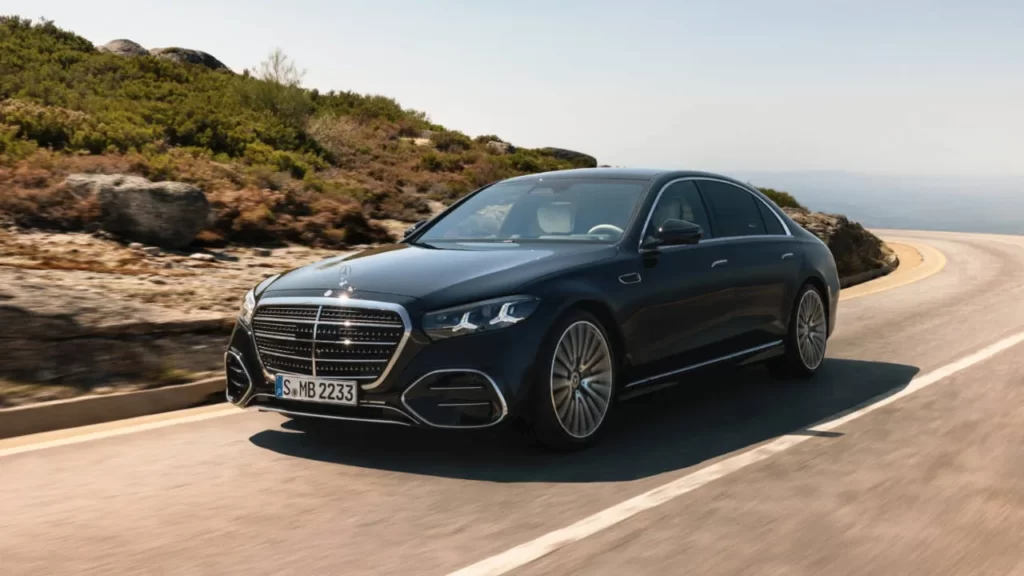
Idling is a common but often overlooked reason for higher fuel consumption in the UAE, especially due to air conditioning use.
Key facts about idling:
- Engines consume fuel even when stationary
- Keeping the AC on while parked increases fuel use
- Restarting the engine uses very little fuel
Switching off the engine during longer waits can help reduce unnecessary fuel usage.
What Is A Practical Fuel-Saving Routine For UAE Drivers?
Building simple daily habits can help offset rising fuel prices and reduce monthly expenses.
A practical routine includes:
- Check tyre pressure once a week
- Drive smoothly and avoid aggressive acceleration
- Plan trips to reduce unnecessary driving
- Avoid peak traffic when possible
- Turn off the engine during long stops
Experts suggest that drivers can improve fuel efficiency by around 10% through better driving and maintenance habits.
To Sum Up
Rising petrol prices in the UAE are driven by global factors, including oil markets, demand, and regional uncertainty. While drivers cannot control fuel prices, they can control how much fuel they use.
By improving driving habits, maintaining your vehicle, and avoiding unnecessary fuel waste, you can reduce the impact of rising petrol costs and manage your monthly expenses more effectively.
Find the best used cars for sale in the UAE.
Stay tuned to UAE’s most popular auto blog for more information about the latest happenings in all of the Emirates.
FAQs
Why are petrol prices rising in the UAE?
Petrol prices rise due to global oil price changes, demand, supply levels, and distribution costs. The UAE adjusts prices monthly based on international market trends.
How can I reduce fuel consumption in the UAE?
Drive smoothly, maintain proper tyre pressure, avoid idling, remove excess weight, and plan trips efficiently to reduce fuel consumption and save money.
Does driving fast use more fuel?
Yes, higher speeds increase air resistance and fuel consumption. Driving at moderate, steady speeds improves fuel efficiency and reduces overall fuel costs.
Is it better to turn off the engine while waiting?
Yes, turning off the engine during long waits saves fuel. Idling wastes fuel, especially with air conditioning running in the UAE weather conditions.
How much can I save by improving my driving habits?
Drivers can improve fuel efficiency by around 10% through better driving habits, regular maintenance, and avoiding unnecessary idling or aggressive acceleration.
Follow us on

Recent Stories
DubiCars Announces New Premium Identity & Brand Uplift: An Elevated New Look & Feel
You might want to update your mental image of DubiCars. The familiar pink-red logo is retiring, the letters are now...

Who Is Dubi? The DubiCars Way Forward
A first car. A family upgrade. A weekend toy that requires a slightly creative explanation at home. Every car search...

Used Nissan Patrol Buying Guide: What To Check Before Paying
Few used SUVs have as much appeal in the UAE as the Nissan Patrol. Whether it is an old-school Y60,...
What Do High Fuel Prices Mean For Car Buyers In The UAE?
Fuel prices are rising in the UAE and across other global markets. But fuel price increases don’t instantly change car...

UAE Petrol Prices October 2026: How Much Does A Full Tank Cost?
Petrol prices in the UAE have jumped sharply for October 2026, putting the cost of filling up firmly back in...
UAE Petrol Prices Increase: Should You Buy An EV Or Hybrid In 2026?
Fuel prices are climbing once again, and with every increase, the same pattern emerges. People don’t complain much about the...