
Highway Driving In The UAE: Essential Safety Tips & Rules
 April 29, 2025
, 9 Min Read
April 29, 2025
, 9 Min Read

Smooth roads, high speeds, and a sense of freedom make highway driving exciting in the UAE. However, to enjoy this freedom safely, drivers must follow important safety measures. Whether you are an experienced driver or a beginner, driving on a highway is different from city driving and demands extra caution.
By implementing some simple precautionary measures, drivers can avoid accidents and enjoy a safe journey. Here are important highway driving safety tips you must follow in the UAE.
Highway Driving Rules & Regulations At Glance
Highway Driving Safety Tips in the UAE
When driving on major highways like Sheikh Zayed Road (E11) or Sheikh Mohammed bin Zayed Road (E311), it is vital to follow traffic laws. Safety is key to enjoying a hassle-free drive across the Emirates. Follow these tips for a smooth and safe highway drive:
Always Wear Your Seatbelt
Seatbelts save lives. All passengers must wear seatbelts at all times. If you fail to do so, you could face a fine of AED 400 and 4 black points on your licence. Before starting your trip, check that all seatbelts are working properly and remind every passenger to buckle up.
Follow Speed Limits
Speed limits vary across the UAE. On highways, they generally range from 100 km/h to 140 km/h, depending on the road. Some newer highways now allow up to 140 km/h. Always check the signs and avoid speeding to stay safe and avoid heavy fines. Smart radars monitor speeds across highways more strictly now.
Start From The Right Lane
- Always enter the highway from the right-hand side. This lane allows slower vehicles and gives you time to adjust to the traffic flow.
- After gaining proper speed, you can gradually move to the middle or fast lane, using indicators.
- Modern cars often have lane-keeping assist systems – use them to help stay in your lane.
- If you are still learning, it might be helpful to enrol in a certified school from the top driving schools in Dubai.
Be Careful When Changing Lanes
Lane changing causes many highway accidents. If your car has a Blind Spot Monitoring System, use it. If not, follow these manual steps:
- Adjust your rear-view and side mirrors for a full view.
- Check your mirrors carefully.
- Turn on your indicator.
- Double-check your blind spot by quickly glancing over your shoulder.
- Move slowly and smoothly.
Keep A Safe Distance
- Tailgating is very dangerous, especially at high speeds.
- Maintain a gap of at least 3 seconds from the car ahead. In bad weather, increase it to 5 seconds.
- Remember: sudden braking at high speeds can cause serious pile-ups.
- Before hitting the highways, make sure your car is well-maintained. You can get it checked at a reliable car garage in Sharjah.
Stay Focused & Avoid Fatigue
- Long drives can be tiring. Get at least 7–8 hours of sleep before starting a highway journey.
- Take a break every 90 minutes. Walk, stretch, and hydrate.
- Use Cruise Control where available to reduce fatigue on long straight roads.
- Set your GPS, music, and Bluetooth connections before you start. Avoid touching your phone or infotainment system while driving.
Avoid Rush Hours
- Highways in the UAE are busiest during early mornings and late afternoons.
- Try to plan your journey outside peak hours to avoid traffic stress and reduce travel time.
- Sheikh Zayed Road and Sheikh Mohammed bin Zayed Road are particularly crowded during these times.
Check Weather Conditions
- While the UAE usually enjoys clear weather, sudden rain, fog, or sandstorms can affect driving.
- Always check the weather forecast before you travel.
- Use fog lights during foggy weather and reduce your speed. Be extra cautious when visibility is low.
Watch Out for Motorcycles
- Motorcycles are common on UAE highways.
- Always maintain a safe distance from them.
- Learn and understand basic motorcycle hand signals, as riders often use them to communicate with drivers.
How To Drive On Highways In The UAE
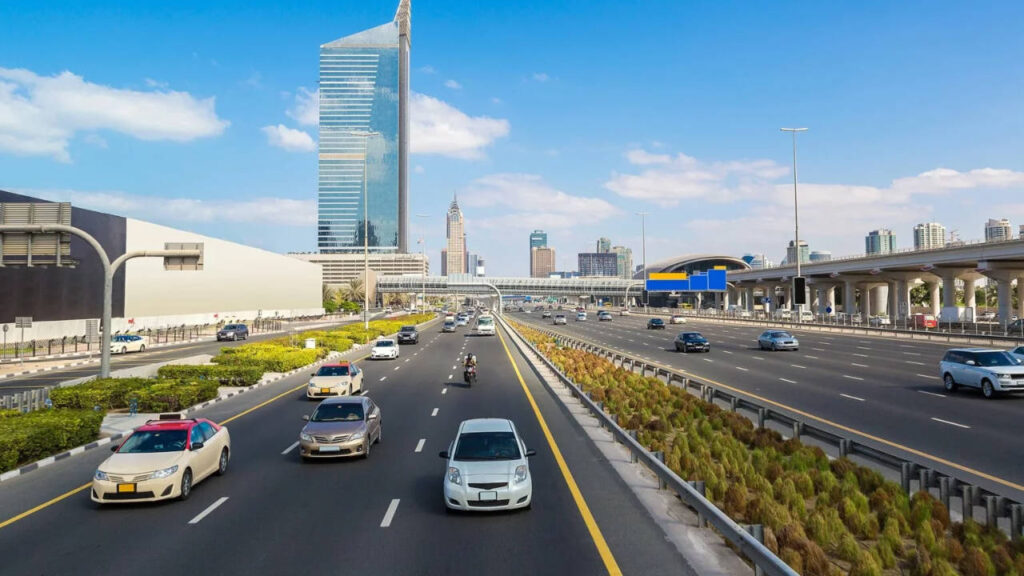
How to Drive on Highways in Abu Dhabi
Abu Dhabi has some of the fastest highways in the UAE, with speed limits reaching up to 160 km/h on certain routes like Sheikh Khalifa Highway. There is no 20 km/h speed buffer in Abu Dhabi — the limit is strict. Speed cameras will fine even a 1 km/h violation. Here are all the traffic fines and details for Abu Dhabi.
Important tips:
- Always stay in the right lane unless overtaking.
- Use your headlights properly, especially during fog or sandstorms.
- Reduce speed significantly in poor weather conditions.
- Avoid sudden lane changes; use indicators well in advance.
Highways like E11 (Abu Dhabi–Dubai Road) and Al Ain Road are well-monitored with smart radars.
How to Drive on Highways in Dubai
Dubai highways like Sheikh Zayed Road (E11) and Al Khail Road (E44) are among the busiest in the UAE. Speed limits generally range from 100 km/h to 120 km/h, and a 20 km/h speed buffer applies (e.g., drive up to 140 km/h if the posted limit is 120 km/h).
Key driving tips:
- Salik toll gates are active; make sure your Salik account has enough balance.
- Keep right unless overtaking — fast lanes are strictly for overtaking only.
- Avoid rush hours (7:00–9:00 am and 5:00–7:00 pm) to escape heavy traffic.
- Watch out for sudden lane closures due to maintenance works.
Stay alert for directional signs towards Expo City Dubai or other major attractions—check all the traffic fines here.
How to Drive on Highways in Sharjah
Sharjah highways like Al Wahda Street and Al Dhaid Road can be tricky during peak times. Speed limits range between 100 km/h and 120 km/h, with a 20 km/h buffer allowed.
Useful tips:
- Morning and evening traffic between Sharjah and Dubai can cause major delays. Plan ahead.
- Stay within lanes, especially near merging points towards Dubai.
- Use caution at construction zones — temporary speed reductions are often enforced.
- Service roads alongside highways are common; use them carefully for entering and exiting highways.
Sharjah Police frequently patrol highways using radar vehicles. Here are the fines and more details for Sharjah.
How to Drive on Highways in Ajman
Ajman’s highways connect smoothly with Sharjah and UAQ, making it important to drive carefully between cities. Speed limits are mostly around 100 km/h.
Helpful tips:
- Weekend beach traffic can cause unexpected slowdowns. Stay alert around exits.
- Many local roads merge into highways without warning — slow down when approaching merges.
- Maintain a steady speed and avoid tailgating, especially on Sheikh Maktoum Bin Rashid Street.
- Respect pedestrian crossings near residential areas close to highways.
How to Drive on Highways in Fujairah
Fujairah highways often pass through mountains and coastal areas, making drives beautiful but tricky. Speed limits vary from 80 km/h to 120 km/h depending on terrain.
Driving tips:
- Be prepared for sudden weather changes, especially rain, causing slippery surfaces.
- On mountain roads like those towards Dibba, reduce speed on bends.
- Overtake only when you have a clear long view ahead.
- Heavy trucks frequently use Fujairah highways — give them extra space.
Fujairah Police strictly monitor road conditions during bad weather.
How to Drive on Highways in RAK (Ras Al Khaimah)
Ras Al Khaimah offers some of the best scenic drives in the UAE, especially towards Jebel Jais. Speed limits are between 100 km/h and 120 km/h.
Driving tips:
- Use low-beam headlights in early mornings due to frequent fog.
- Maintain caution around bends when heading towards mountain routes.
- Be patient behind slower vehicles on single-lane climbs.
- Respect warning signs; rockfalls are possible during rainy months.
Parking areas are provided along Jebel Jais road for safe photo stops.
How to Drive on Highways in UAQ (Umm Al Quwain)
Umm Al Quwain highways are less crowded but require attention due to the desert surroundings. Speed limits are usually between 100 km/h and 120 km/h.
Key points:
- Watch for occasional wildlife (camels, gazelles) near desert areas.
- Drive carefully at night — some stretches have limited lighting.
- Fuel up early; fewer petrol stations are available on long stretches.
- Respect reduced speeds near the old town and cultural sites.
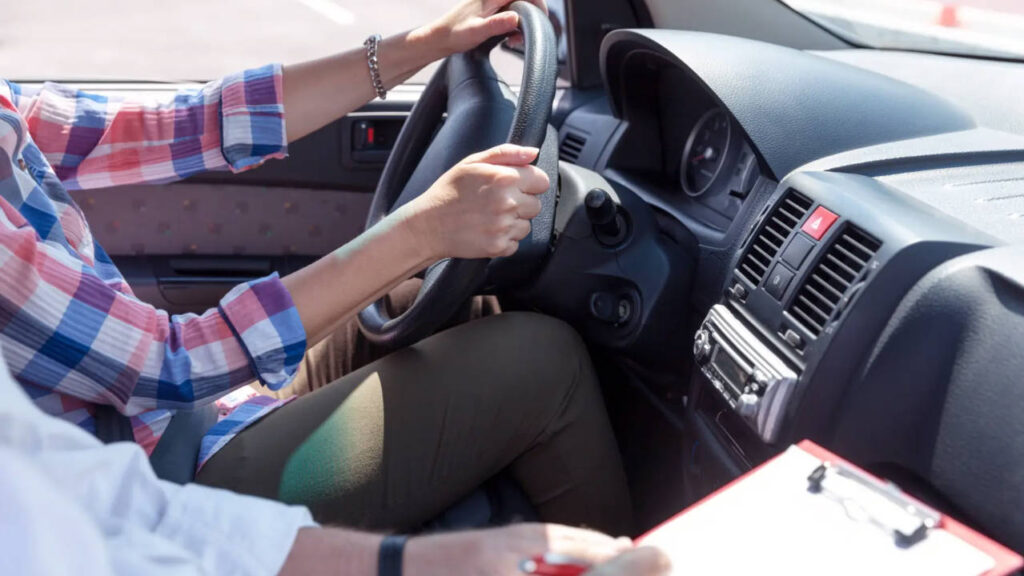
Driving on highways in the UAE can be a smooth and enjoyable experience if you follow safety rules. Modern cars now offer many safety features like lane assist, automatic emergency braking, and adaptive cruise control. If you are thinking about upgrading your vehicle, explore used cars for sale in the UAE that offer the latest safety technologies.
FAQs
What are the speed limits on UAE highways?
Speed limits usually range from 100 km/h to 140 km/h. Abu Dhabi allows up to 160 km/h on some roads. Most emirates have a 20 km/h speed buffer, except Abu Dhabi, where limits are strictly enforced.
Can tourists drive on UAE highways?
Yes, tourists can drive if they have a valid International Driving Permit (IDP) and a home country licence. Citizens from some countries can drive using only their national licence without needing an IDP.
What safety precautions should I take when driving on UAE highways?
Always wear your seatbelt, obey speed limits, avoid sudden lane changes, and maintain a safe distance. Watch for sand drifts and use hands-free devices only. Stay alert for changing traffic conditions and sudden weather changes.
Are there tolls on UAE highways?
Yes, Dubai uses the Salik toll system with automatic charges at toll gates. Drivers must maintain enough balance in their Salik account to avoid fines. Other emirates may also have similar toll systems.
What should I do in case of a breakdown or accident on the highway?
Move your car to the shoulder if possible, turn on hazard lights, and call 999 for police assistance. Stay safe inside the vehicle if the breakdown is on a busy or high-speed section.
Find the best used cars for sale in the UAE.
Stay tuned to UAE’s most popular auto blog for more information about the latest happenings in all of the Emirates.
Also Read:
Follow us on

Recent Stories

Used Nissan Patrol Buying Guide: What To Check Before Paying
Few used SUVs have as much appeal in the UAE as the Nissan Patrol. Whether it is an old-school Y60,...

UAE Petrol Prices October 2026: How Much Does A Full Tank Cost?
Petrol prices in the UAE have jumped sharply for October 2026, putting the cost of filling up firmly back in...
Petrol Prices Rise In The UAE: Why Costs Increased And How To Save On Fuel
Fuel prices in the UAE have seen a sharp rise in April 2026, placing added pressure on everyday drivers. With...
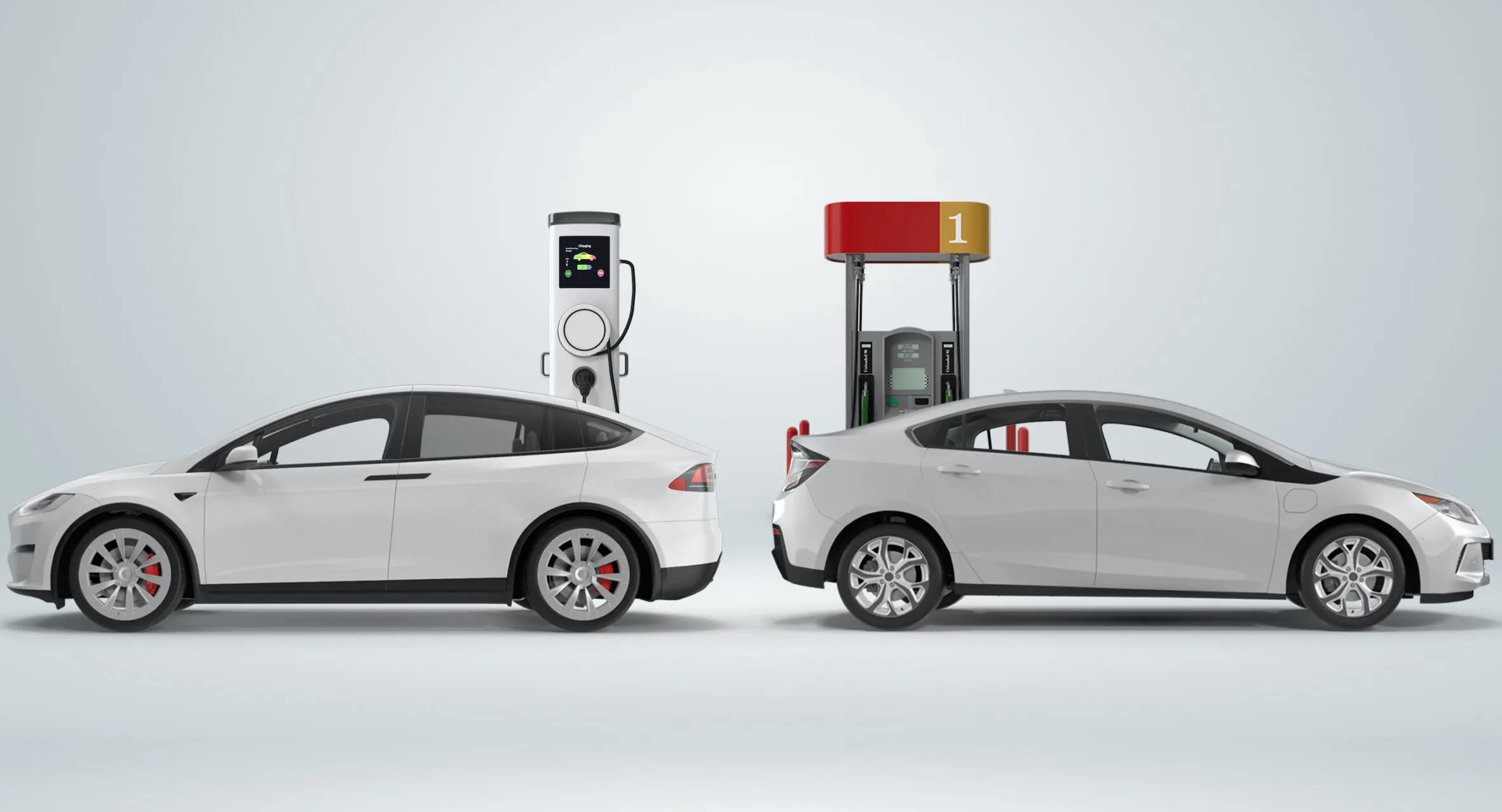
UAE Petrol Prices Increase: Should You Buy An EV Or Hybrid In 2026?
Fuel prices are climbing once again, and with every increase, the same pattern emerges. People don’t complain much about the...

Trade-In vs Private Sale In The UAE: Which Leaves You With More Money?
Selling your car before upgrading should put money towards your next purchase. Yet the highest offer doesn’t always mean the...
Car Accident History In The UAE: What Reports Can And Cannot Tell You
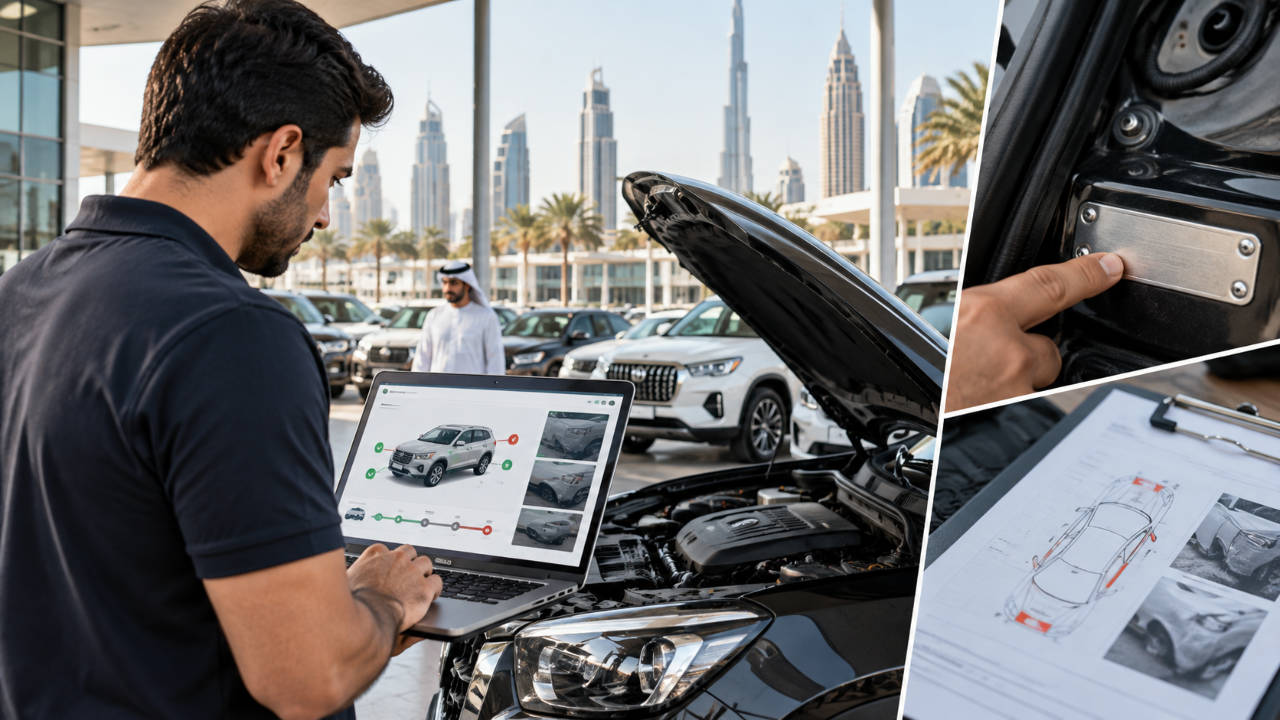
Checking a car’s accident history should be one of the first steps when buying a used car in the UAE....