
Global EV Adoption: What Happens In Global Markets When Fuel Prices Rise?
 May 1, 2026
, 4 Min Read
May 1, 2026
, 4 Min Read
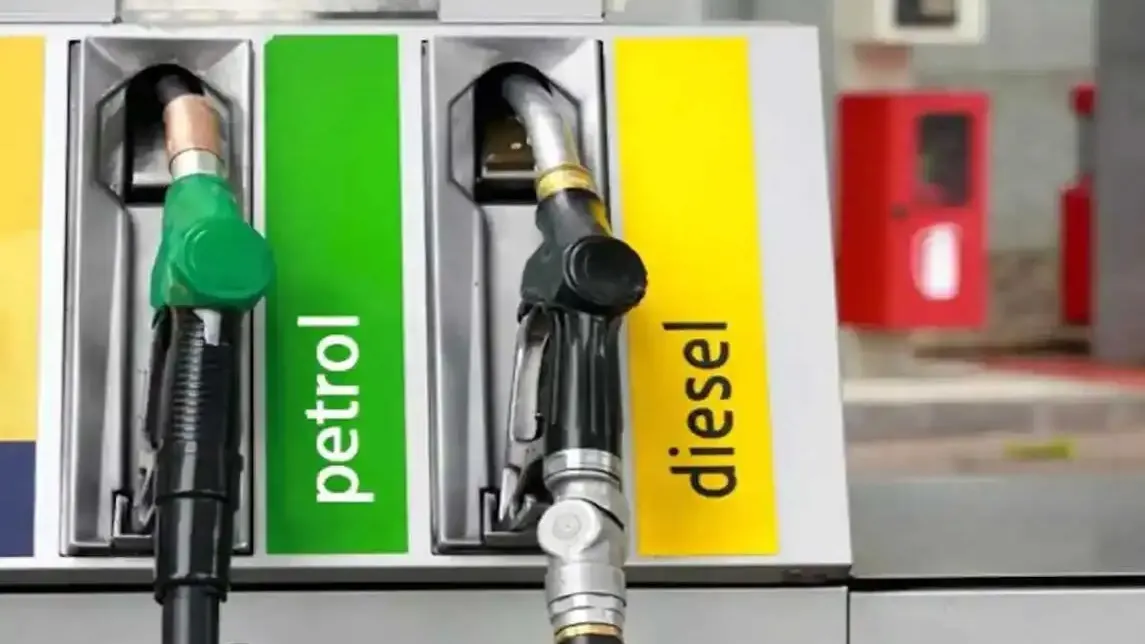
In March 2026, GCC nations, followed by the Middle East and the whole world, found out very quickly: when geopolitical games are played, the results are not always favourable. Among other outcomes, it resulted in fuel prices increasing, and DubiCars’ analysis revealed how interest in electric vehicles spikes whenever there’s a significant fuel price hike. But how does the rest of the world react, and why is the UAE different?
 AI Quick Summary
Global fuel price hikes, spurred by geopolitical events in March 2026, consistently lead to increased consumer interest in electric vehicles worldwide. While regions like Europe and China demonstrate rapid EV adoption directly linked to rising fuel costs, the United States experiences a more gradual shift. The UAE, however, shows different trends, with buyers preferring hybrids due to relatively affordable fuel prices and less developed EV charging infrastructure compared to other major markets.
This summary was generated by AI using this article’s content.Read Next


United States: Quick Reaction, Gradual Change
In the US, rising fuel prices trigger immediate spikes in interest for more efficient vehicles, but the transition is gradual. During the recent fuel price spike in March-April 2026, EV consideration rose from 9.5% to 12%, representing a nearly 20% increase in interest within a very short time. Online platforms also recorded a noticeable jump in searches for hybrids and electric vehicles within days of prices rising.
However, this surge in interest doesn’t immediately translate into purchases. The American market, which is heavily dominated by SUVs and pickup trucks, shows that it typically takes four to six months of sustained high fuel prices before buyers actually change their purchasing behaviour.
Here are the top American car brands in the UAE:
Europe: Stronger Shift, Faster Adoption
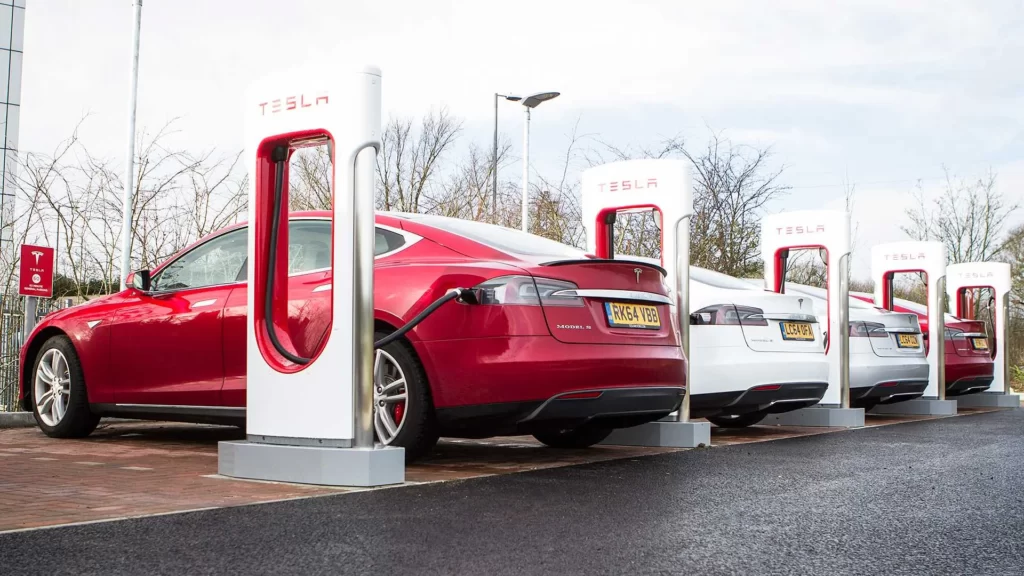
EV sales in Europe have grown significantly, rising by over 50% year-on-year, and now account for more than a quarter of all new car sales. In some cases, electric vehicles have even overtaken petrol cars in a milestone that reflects a major shift in consumer behaviour. This shift is even more evident when fuel prices increase.
Breaking this down further:
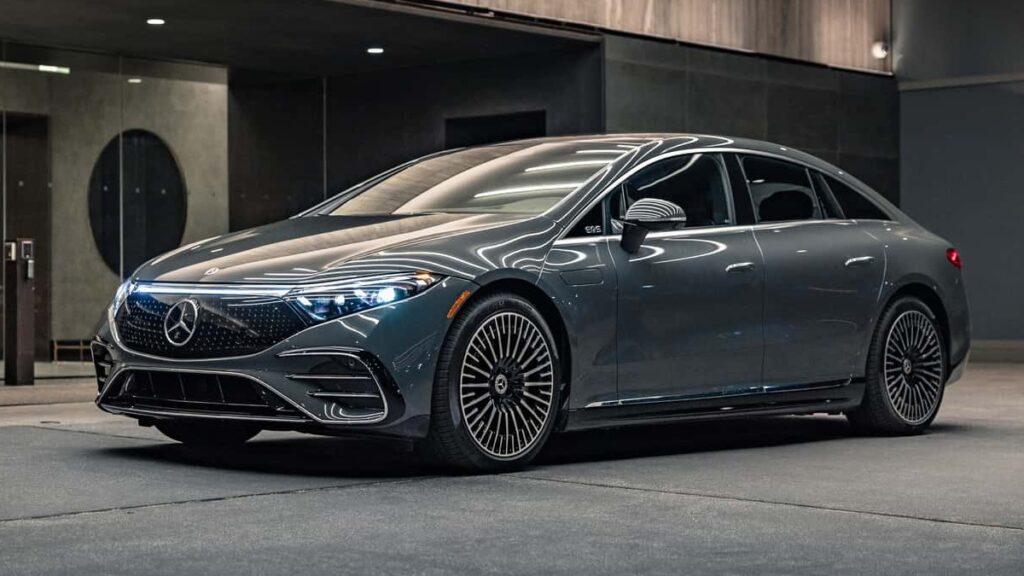
- In the UK, EV sales went up by 69.04% when fuel prices increased by 74.87% between 2020 & 2022.
- In France, EV sales shot up by 86% while fuel prices took a 45.51% hike between 2020 & 2022.
- Germany, Europe’s largest automotive market, saw EV sales go up by 94.6% when fuel prices increased by 61.64%.
- And then there’s Norway, where nearly every new car sold is fully electric. Over 97% of all new cars are electric, representing the most advanced stage of adoption globally.
Following recent increases linked to global supply disruptions in March 2026, several European platforms reported sharp changes in demand within weeks. EV search activity increased significantly, in some cases up to three times, while dealer enquiries rose by over 60%.
Here’s a list of the top European car brands:
China: The Most Direct Response
China provides the clearest example of how fuel prices can directly influence EV adoption. Studies show that for every increase of 1 yuan per litre in fuel prices, EV sales rise by approximately 4.67%. This is one of the strongest measurable relationships between fuel cost and consumer behaviour.
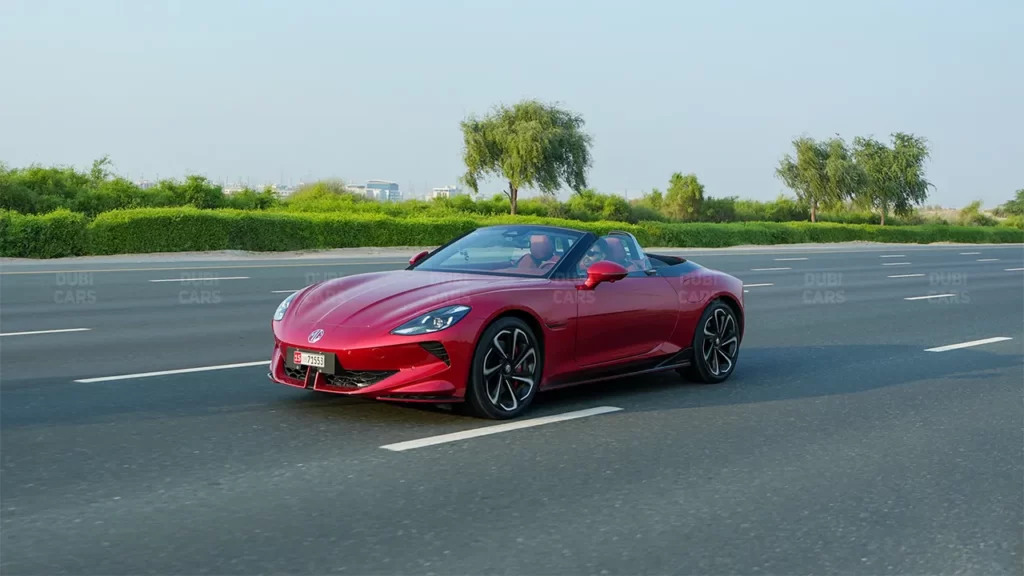
Between 2020 and 2022, fuel prices in China increased by nearly 78%, while EV sales grew by more than 400%. Unlike other markets where behaviour changes gradually, China demonstrates a much more immediate and decisive response.
Here’s a list of the top Chinese car brands:
Global Conclusion
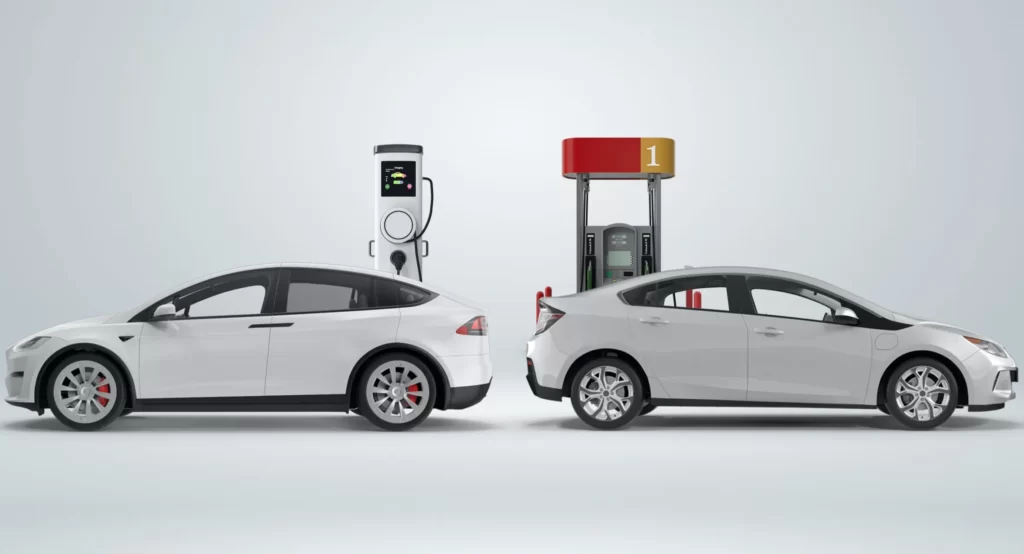
Across all major markets, the pattern is consistent: Fuel price increases drive immediate interest in EVs and hybrids, but actual adoption depends on how long those prices remain high and how advanced EV infrastructure is.
Why The UAE Behaves Differently
The UAE’s unique conditions explain this difference in behaviour. Fuel prices have increased significantly over the past few years, but fuel in the UAE remains relatively affordable compared to Europe, America, and parts of Asia.
| Petrol Price – April 2026 | Petrol Price – May 2026 | |
| UAE | AED 3.2 | AED 3.48 |
| USA | AED 3.94 | AED 4.26 |
| China | AED 4.92 | AED 4.88 |
| Norway | AED 7.68 | AED 8.12 |
| UK | AED 7.72 | AED 7.79 |
| France | AED 8.62 | AED 8.66 |
| Germany | AED 9.61 | AED 9.05 |
At the same time, while charging infrastructure in the UAE is improving, it is not yet as widespread or convenient as traditional refuelling. Driving patterns also play a major role. In these scenarios, the flexibility of a petrol engine paired with an electric motor becomes a major advantage.
As a result, buyers tend to favour solutions that improve efficiency without introducing new limitations. Hybrids fit that requirement perfectly. Should you buy an EV or Hybrid? Find out here.
Explore over 27,000 listings and find the best cars for sale in the UAE.
Stay tuned to the UAE’s most popular auto blog for more automotive content.
Follow us on

Recent Stories
Bentley Torcal Revealed: First Electric Bentley Produces 876hp & An Unusual Soundtrack
Bentley has revealed the Torcal, its first fully electric car. The five-metre SUV becomes the brand’s fourth model line and...
CEER EXOBOT Sedan & SUV Revealed: Saudi EVs With Up To 1,111hp
Saudi Arabia’s national automotive brand CEER has officially revealed the EXOBOT Sedan and EXOBOT SUV, its first production vehicles. The...
Farizon V7E Electric Van Launched In The UAE: Prices Start At AED 115,000
Jameel Motors has launched the Farizon V7E in the UAE, giving logistics companies, delivery operators, small businesses and service fleets...
New Citroen C5 Aircross Launched In The UAE At AED 106,999
The all-new Citroen C5 Aircross is officially launched in the UAE, bringing a completely redesigned version of the French brand’s...
New 2027 Toyota Land Cruiser FJ Launched In UAE: FJ Cruiser Returns?
The FJ name is back in the UAE, and Toyota has attached it to something even bigger this time. The...
Land Rover Defender Pickup Truck Coming Soon: What We Know So Far
A modern Land Rover Defender pickup could finally be on the way. Recent reports suggest JLR is working with Stellantis...