
Daihatsu Hijet

TBD

Daihatsu Hijet Key Specifications

Battery size Battery size
TBD
Horsepower Horsepower
TBD
Transmission Transmission
TBD
Fuel Type Fuel Type
TBD
Battery Range Battery Range
TBD
Seating capacity Seating capacity
TBD seater
Transmission Transmission
TBD
Seating capacity Seating capacity
TBD seater

Daihatsu Hijet Pros and Cons

What we like
  • Compact city vehicle
  • Practical for deliveries
  • Simple maintenance
What we don't like
  • Limited safety
  • Basic comfort features
  • Small engine power

Daihatsu Hijet Overview

Introduction

The Daihatsu Hijet, first introduced in 1960, is one of the longest-running kei trucks and microvans in Japan. Over its many generations, it has become a symbol of practicality, efficiency, and reliability for both commercial and personal use. Designed to comply with kei car regulations, the Hijet balances compact dimensions with impressive versatility, making it a popular choice for businesses, delivery services, and farmers.

Exterior

The Hijet’s exterior is compact and highly functional, featuring a boxy shape that maximizes interior and cargo space. Depending on the variant, it comes as a pickup-style kei truck or a van, both designed for maneuverability in narrow streets. Sliding side doors and wide rear openings on van versions add convenience, while modern generations introduce sharper styling, updated headlights, and alloy wheel options for a fresher look.

Interior

Inside, the Hijet is basic but practical, with a focus on durability and utility. The cabin typically seats two in truck versions and up to four in van models, with foldable rear seats for added cargo flexibility. Controls are straightforward, and higher trims may include air conditioning, infotainment, and power windows, while still prioritizing function over luxury.

Safety features

Safety equipment in the Hijet has evolved over time. Early models offered only seatbelts, while more recent versions include dual airbags, ABS, electronic stability control, and even advanced driver assistance systems in the latest generations. Despite its compact size, Daihatsu has worked to align the Hijet with modern safety standards.

Engine trims

The Hijet is powered by small, efficient engines, usually 0.66-liter three-cylinder petrol units to comply with kei regulations. In some export markets, larger 1.0-liter or 1.3-liter engines were offered for added performance. Transmission options include manual gearboxes, automatic, and CVT, while newer models often come with both two-wheel drive and four-wheel drive versions for rural or off-road use.

Maintenance

Maintenance of the Hijet is simple and cost-effective, thanks to its mechanical simplicity and wide availability of parts. Regular servicing like oil changes, brake maintenance, and cooling system checks keep it running reliably. Its robust design and long-standing reputation for durability make it a favorite among businesses needing dependable transportation.

Competitors

The Daihatsu Hijet competes with kei trucks and vans such as the Suzuki Carry, Honda Acty, and Subaru Sambar. Its affordability, versatility, and wide range of body styles make it one of the most successful and enduring vehicles in Japan’s kei segment.

Daihatsu Hijet FAQs

  • What is the price of Daihatsu Hijet in the UAE?

    The price of a Daihatsu Hijet in the UAE is TBD.

  • What is the fuel economy of Daihatsu Hijet?

    The manufacturer suggested fuel economy of Daihatsu Hijet is TBD.

  • What are the trims of Daihatsu Hijet?

    The trims for Daihatsu Hijet are .

  • What is the top speed of Daihatsu Hijet?

    The top speed of Daihatsu Hijet is TBD.

  • What is the Fuel Tank Capacity of Daihatsu Hijet?

    The fuel tank capacity of Daihatsu Hijet is TBD.

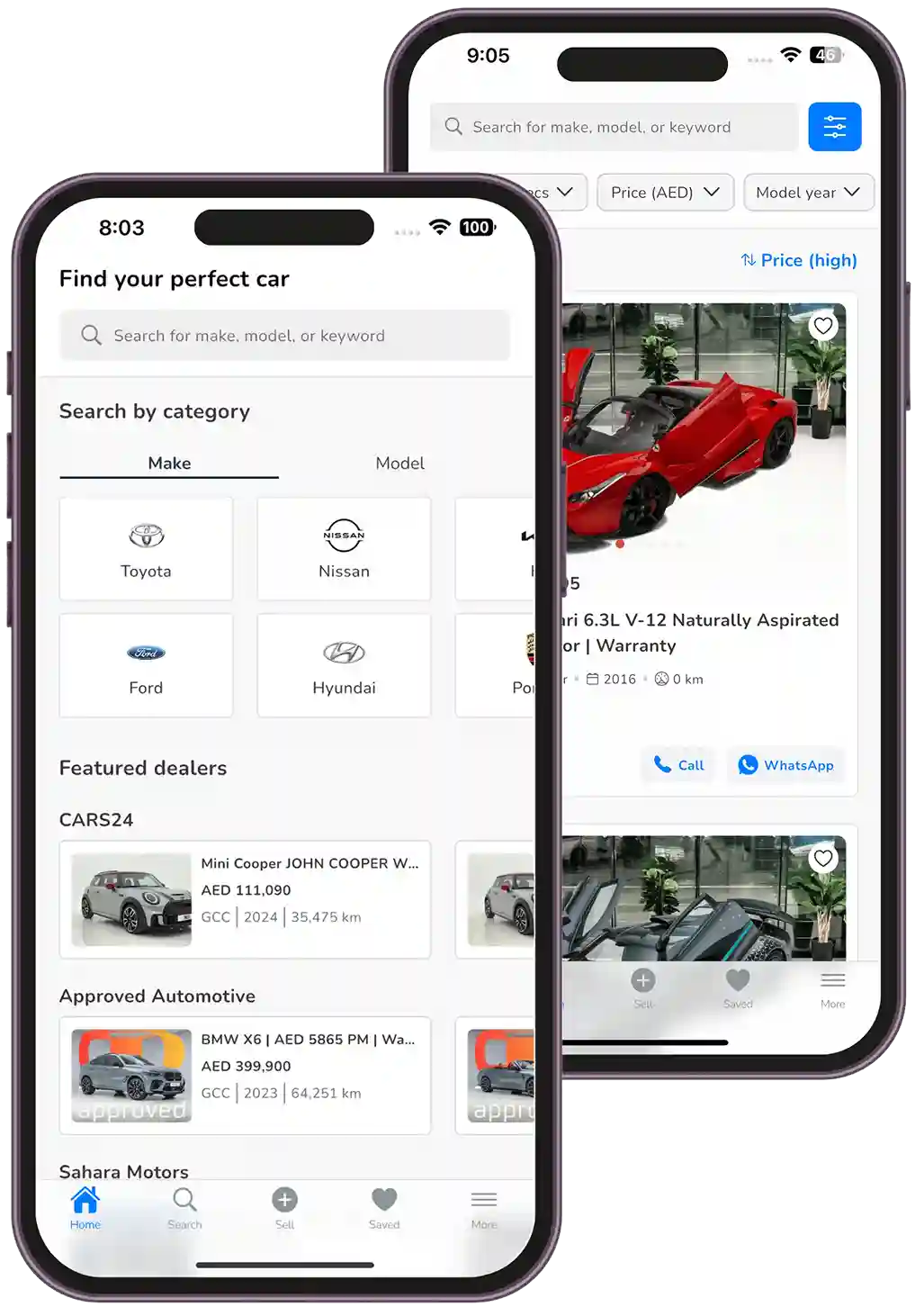
Dubicars app on mobile