
Fiat Brava

TBD

Fiat Brava Key Specifications

Battery size Battery size
TBD
Horsepower Horsepower
TBD
Transmission Transmission
TBD
Fuel Type Fuel Type
TBD
Battery Range Battery Range
TBD
Seating capacity Seating capacity
TBD seater
Transmission Transmission
TBD
Seating capacity Seating capacity
TBD seater

Fiat Brava Pros and Cons

What we like
  • Affordable family car.
  • Spacious interior.
  • Decent fuel economy.
What we don't like
  • Average build quality.
  • Dated design.
  • Basic features.

Fiat Brava Overview

Introduction

The Fiat Brava, launched in 1995, was a compact family hatchback positioned as a more stylish and practical alternative within Fiat’s lineup. It was offered alongside its sister model, the Fiat Bravo, with the Brava distinguished by its five-door configuration. The car was designed to appeal to families seeking a balance of space, affordability, and Italian design. It remained in production until 2001, gaining popularity across Europe.

Exterior

The Brava featured a rounded, aerodynamic design with smooth curves and distinctive detailing. Its elongated body and five-door layout made it more practical than the sportier Bravo. The rear end was marked by unique vertical taillights, giving the car a recognizable identity. Large windows provided excellent visibility, while variations in trim added sporty or elegant touches. Overall, it was a modern and functional design for its time.

Interior

Inside, the Brava emphasized practicality and space. The cabin accommodated five passengers comfortably, with supportive seats and a user-friendly layout. The dashboard featured simple ergonomics, with easy-to-read dials and straightforward controls. Higher trims included features such as air conditioning, upgraded upholstery, and optional audio systems. While not luxurious, the Brava’s cabin provided comfort and utility for daily family use.

Safety Features

The Fiat Brava included safety equipment that was advanced for its segment in the 1990s. Standard features included side-impact protection, crumple zones, and seatbelts for all passengers. Later models introduced driver and passenger airbags, ABS brakes, and improved structural rigidity. These measures made it competitive with European rivals in terms of safety.

Engine Trims

The Brava was available with a wide range of petrol and diesel engines. Petrol options included 1.2, 1.4, 1.6, 1.8, and 2.0-liter units, offering outputs between 75 hp and 154 hp. Diesel versions included 1.9-liter naturally aspirated and turbocharged engines. Transmission choices consisted of five-speed manuals, with automatics available on select variants. The variety of engines allowed buyers to choose between efficiency and performance.

Maintenance

The Fiat Brava was relatively easy to maintain, with affordable parts and servicing across Europe. Regular checks of the timing belt, brakes, and suspension were necessary for reliability. Diesel models were efficient but required diligent maintenance of injection systems. While rust and electrical issues were common, well-maintained examples proved durable. Overall, it offered reasonable ownership costs for a family hatchback.

Competitors

The Brava competed with the Ford Focus, Opel Astra, and Volkswagen Golf. The Focus was known for its sharp handling, the Astra emphasized practicality, and the Golf offered premium refinement. Fiat distinguished the Brava with distinctive styling, versatile engine options, and affordability, giving it a competitive edge in the family car segment.

Fiat Brava FAQs

  • What is the price of Fiat Brava in the UAE?

    The price of a Fiat Brava in the UAE is TBD.

  • What is the fuel economy of Fiat Brava?

    The manufacturer suggested fuel economy of Fiat Brava is TBD.

  • What are the trims of Fiat Brava?

    The trims for Fiat Brava are .

  • What is the top speed of Fiat Brava?

    The top speed of Fiat Brava is TBD.

  • What is the Fuel Tank Capacity of Fiat Brava?

    The fuel tank capacity of Fiat Brava is TBD.

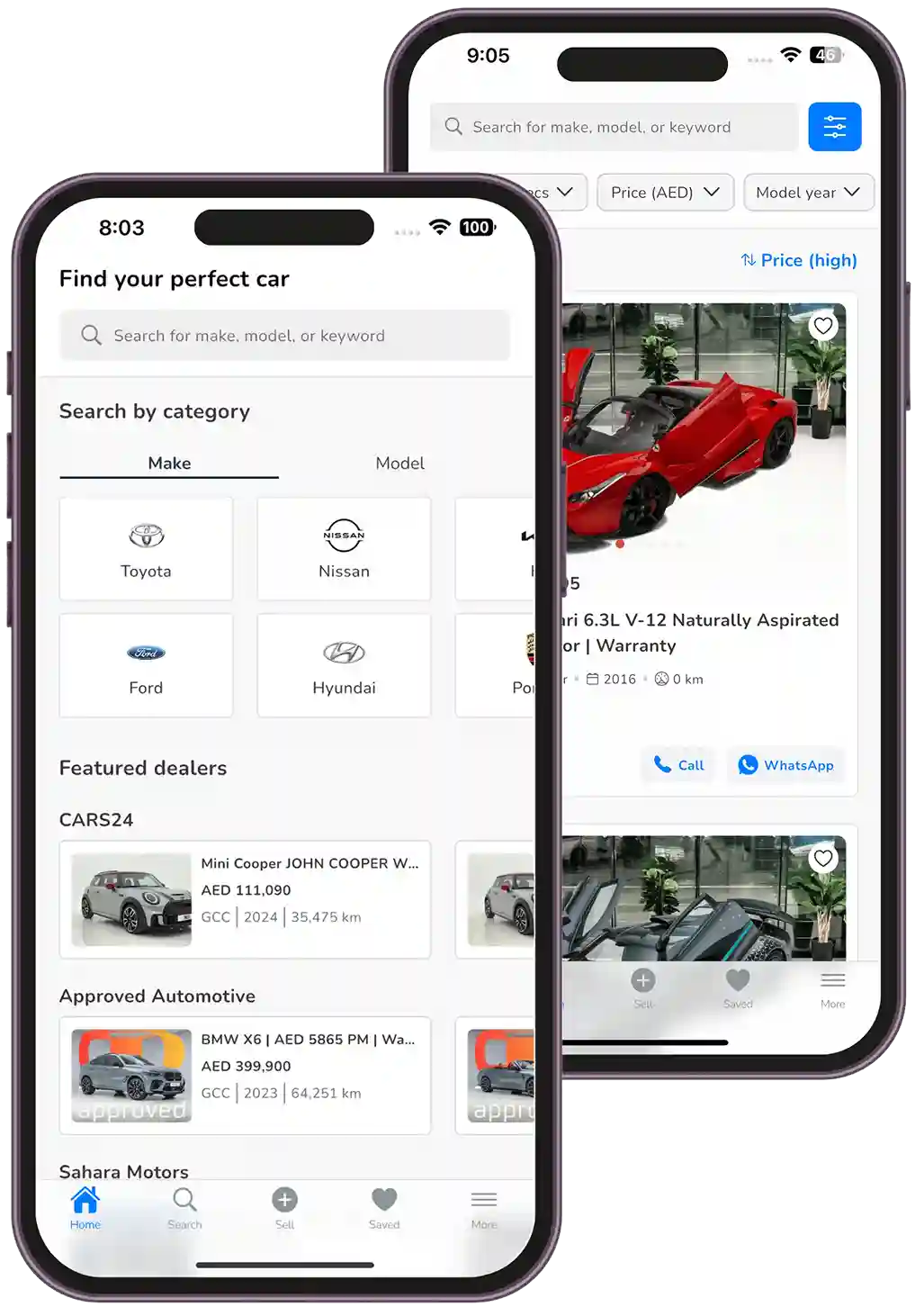
Dubicars app on mobile