Hyundai Atos

TBD

Hyundai Atos Key Specifications

Battery size Battery size
TBD
Horsepower Horsepower
TBD
Transmission Transmission
TBD
Fuel Type Fuel Type
TBD
Battery Range Battery Range
TBD
Seating capacity Seating capacity
TBD seater
Transmission Transmission
TBD
Seating capacity Seating capacity
TBD seater

Hyundai Atos Pros and Cons

What we like
  • Highly economical
  • Easy city maneuverability
  • Affordable maintenance
What we don't like
  • Basic features
  • Limited space
  • Underpowered

Hyundai Atos Overview


Introduction

The Hyundai Atos, also known in some markets as the Hyundai Atoz or Amica, was introduced in 1997 as a city car designed for affordability and practicality. Built on a compact platform with a tall-boy design, it provided excellent headroom and interior space despite its small footprint. Produced until the mid-2000s, the Atos targeted urban drivers seeking low running costs, ease of parking, and Hyundai’s improving reputation for reliability.

Exterior

The Atos featured a tall, narrow body with a boxy silhouette that maximized cabin space. Its large glass areas improved visibility, while simple headlamp designs and a short hood emphasized its city-friendly proportions. Later versions introduced modernized bumpers, updated lighting, and more stylish grilles to enhance appeal. The tall design gave the Atos a unique character compared to sleeker compact cars of the era.

Interior

Inside, the Atos offered surprising space for a car of its size, thanks to its tall-boy layout. It accommodated four to five passengers with ample headroom and decent legroom for city driving. The rear seats could be folded to increase cargo capacity, making it practical for shopping and daily commuting. Basic trims came with simple fabric upholstery and manual controls, while higher trims added air conditioning, power windows, and upgraded audio systems.

Safety Features

Safety equipment in the Atos was modest but competitive for its class at the time. Early models included seatbelts and side-impact beams, while later versions added driver and passenger airbags, ABS brakes, and improved crash safety structures. Though not designed for high-speed protection, it delivered adequate safety for city and suburban use.

Engine Trims

The Atos was typically powered by a 1.0-liter or 1.1-liter four-cylinder petrol engine, producing between 54 and 63 hp. These engines were paired with either a five-speed manual transmission or a four-speed automatic. Fuel efficiency was one of its strongest points, making it ideal for urban commuting. The simple engine design emphasized reliability and low-cost ownership.

Maintenance

Maintenance of the Atos was inexpensive and straightforward, appealing to budget-conscious buyers. Regular oil changes, brake servicing, and periodic checks of the cooling system ensured longevity. Its small, simple engines were durable, and spare parts were widely available. Hyundai’s improving dealer support during its production years also helped boost owner confidence.

Competitors

The Atos competed with small city cars like the Suzuki Alto, Daewoo Matiz, and Fiat Seicento. While rivals often emphasized style or ultra-compact proportions, the Atos stood out with its spacious interior, fuel efficiency, and affordable pricing, making it a popular choice for urban households.


Hyundai Atos FAQs

  • What is the price of Hyundai Atos in the UAE?

    The price of a Hyundai Atos in the UAE is TBD.

  • What is the fuel economy of Hyundai Atos?

    The manufacturer suggested fuel economy of Hyundai Atos is TBD.

  • What are the trims of Hyundai Atos?

    The trims for Hyundai Atos are .

  • What is the top speed of Hyundai Atos?

    The top speed of Hyundai Atos is TBD.

  • What is the Fuel Tank Capacity of Hyundai Atos?

    The fuel tank capacity of Hyundai Atos is TBD.

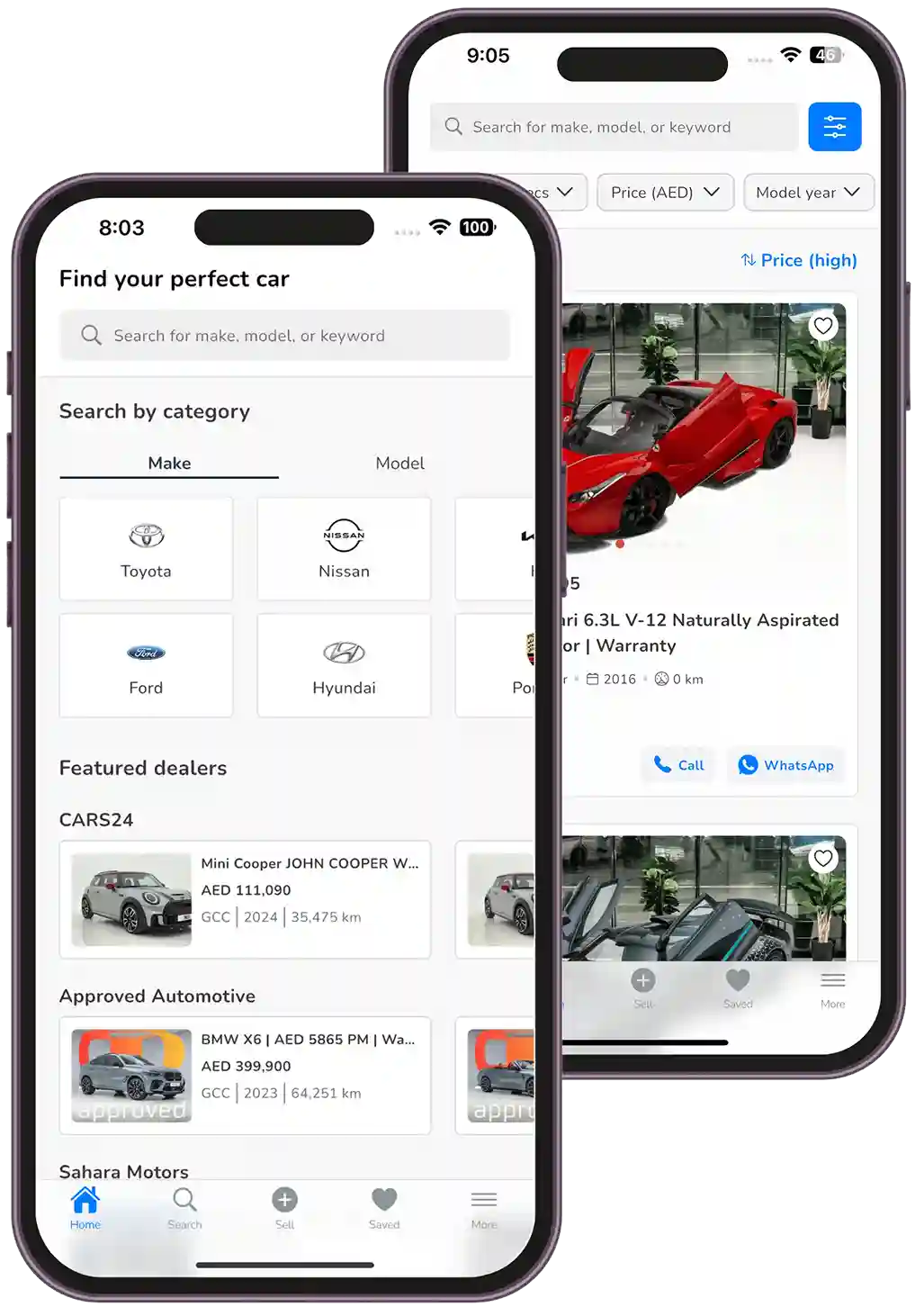
Dubicars app on mobile