The Lotus Emira represents the closing chapter and triumphant conclusion of the brand's storied internal-combustion sports car lineage, a final celebration of the engineering principles that have defined Lotus for more than seven decades. Manufactured by Lotus Cars at its historic Hethel facility in Norfolk, England, the Emira began production in 2022 as the spiritual successor to the legendary Elise, Exige, and Evora models. Built on a heavily revised version of the brand's bonded aluminium chassis architecture, the Emira is a two-door, two-seat mid-engined sports coupe that exists exclusively in this configuration. The 2026 Lotus Emira delivers the most accomplished expression of this swansong yet, available with either a supercharged Toyota-sourced 3.5-litre V6 or a Mercedes-AMG-derived 2.0-litre turbocharged four-cylinder, both delivered in rear-wheel-drive form. With its hand-finished interior, dramatic styling, and genuine supercar-grade dynamic engineering, this iteration of the Emira is Lotus' most luxurious driver's car ever.
History and Development
Lotus Cars was founded in 1948 by Colin Chapman, an aerospace engineer whose philosophy of simplification and weight reduction would shape the brand for generations. From the original Seven through the iconic Esprit and the rebirth of the brand with the lightweight Elise in 1996, Lotus has continuously refined its formula of engineering purity combined with remarkable dynamic ability. The Evora that arrived in 2009 added a degree of comfort and usability to the brand's offering, expanding the appeal beyond hardcore enthusiasts to include those who wanted everyday usability alongside trackday capability. The Emira launched in 2022 as the final purely combustion-powered Lotus and the company's most ambitious sports car yet.
The Emira's founding philosophy required Lotus to elevate luxury and refinement to levels never before associated with the brand while preserving the dynamic excellence that has defined every great Lotus. The interior, the technology integration, and the everyday usability of the Emira all represent significant departures from the spartan character of earlier models, yet the underlying chassis engineering remains uncompromisingly focused on driver engagement. The Lotus Emira price has been positioned to make the model accessible to enthusiasts while still reflecting its premium positioning, particularly in V6 form. The 2026 Lotus Emira stands as the culmination of this remarkable swansong, with continued refinement of the cabin materials, expanded standard equipment, and the introduction of the Turbo SE variant pushing the four-cylinder powerplant to new heights.
Exterior Design
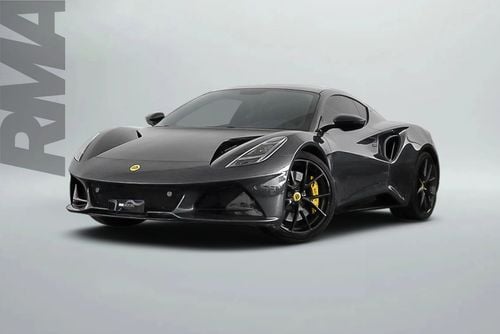
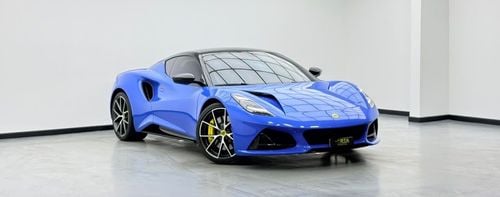
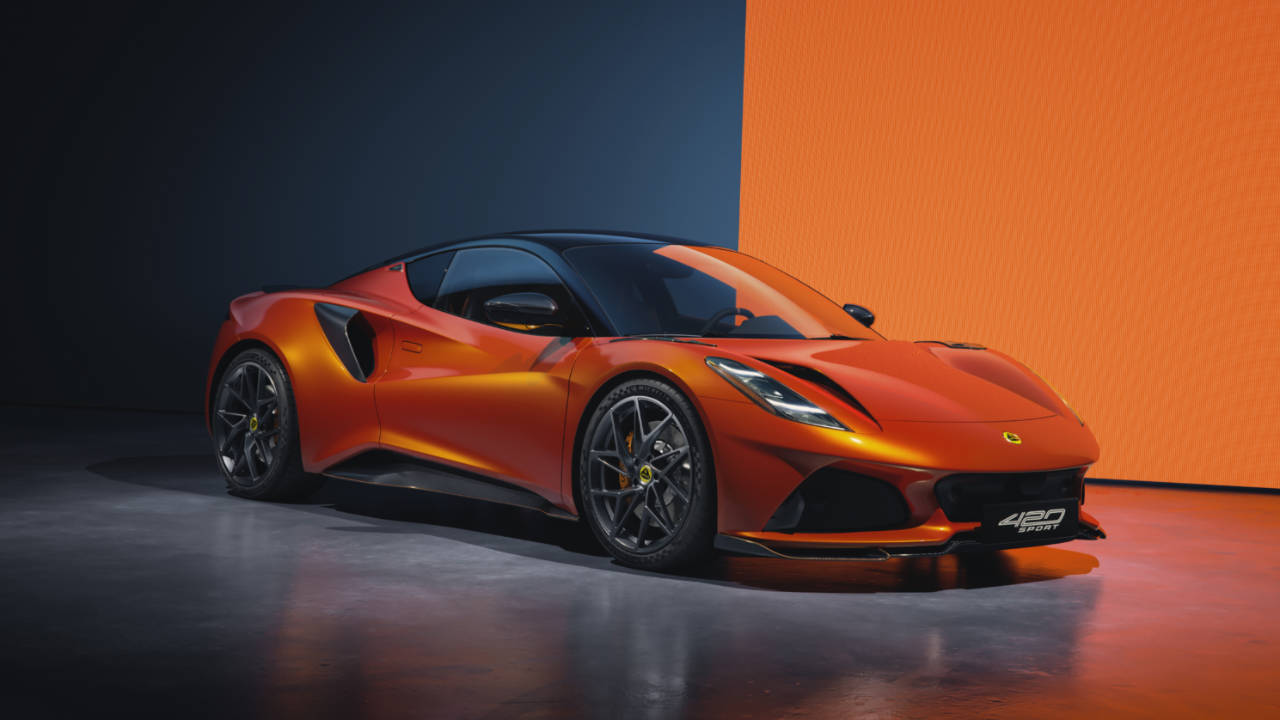
The exterior of the Emira is unmistakably modern Lotus, with proportions and surfacing that draw inspiration from the brand's Type 130 Evija hypercar while remaining true to the mid-engined sports coupe template. The low, wide front features a refined splitter, integrated air intakes, and slim LED headlights with distinctive daytime running light signatures. The bonnet rises gently between sculpted wheel arches, with prominent power bulges and aerodynamic vents that channel airflow over and around the front of the vehicle. The result is a face that feels both contemporary and deeply rooted in Lotus design heritage.
In profile, the Emira shows off the classic mid-engined proportions of a long wheelbase, set-back cabin, and prominent rear haunches that house the engine and transmission. Character lines flow gracefully from the front fender vents through the doors into the substantial side air intakes that feed the mid-mounted engine. Wheel sizes are twenty inches at the front and twenty inches at the rear, with intricate forged designs available across the trim range. The Emira is offered exclusively as a two-door coupe, with no convertible or alternative body style variations. Available paint options include signature Lotus colours such as Hethel Yellow, Magma Red, and Senna Blue, contributing to a sense of bespoke character. The rear features quad exhaust outlets, a substantial diffuser, and slim wraparound LED tail lights that emphasise width. The Lotus Emira price reflects the level of attention invested in every exterior detail, with the 2026 specification bringing refreshed wheel options and paint colours.
Lotus Emira Performance and Engine Specifications
The 2026 Lotus Emira offers two distinct powertrains. The V6 variant uses a supercharged 3.5-litre Toyota-sourced V6 producing 400 horsepower and 310 lb-ft of torque, paired with either a six-speed manual or a six-speed automatic transmission. The Mercedes-AMG-derived 2.0-litre turbocharged four-cylinder produces 360 horsepower and 317 lb-ft of torque in standard form, with the Turbo SE variant pushing output to 400 horsepower and 354 lb-ft of torque, paired with an eight-speed dual-clutch automatic transmission. Real-world performance is exhilarating, with the V6 delivering a thunderous supercharged soundtrack and the four-cylinder offering more compact dimensions and slightly different character.
Acceleration from zero to sixty mph takes 4.2 seconds in the V6 automatic and 4.3 seconds in the V6 manual, with the Turbo SE managing the same sprint in approximately 4.0 seconds. Maximum velocity reaches 180 mph in the V6 automatic and 174 mph in the Turbo SE, more than competitive with the most established sports car rivals. The mid-engined layout, combined with carefully managed weight distribution, contributes to a vehicle that feels eager and responsive in every dynamic situation. The Lotus Emira Price is positioned competitively against established mid-engined rivals from Porsche and Alpine, with both powertrains offering distinctly different but equally rewarding driving experiences. Combined fuel economy in the four-cylinder is impressive for a genuine sports car, while the V6 trades efficiency for an unrepeatable supercharged character.
Transmission and Drivetrain of the 2026 Lotus Emira
The Emira offers two transmission options depending on engine choice. The V6 variant is available with a six-speed manual gearbox featuring an open-gate shifter that exposes the linkage mechanism, or alternatively a six-speed automatic for those who prefer hands-off shifting. The Mercedes-AMG four-cylinder variants use an eight-speed dual-clutch automatic transmission with paddle shifters mounted behind the steering wheel. Both gearbox configurations have been tuned specifically for the Emira's mid-engined character, with shift programming optimised for both relaxed everyday driving and aggressive trackday operation.
The drivetrain layout is rear-wheel drive across the range, in keeping with the mid-engined sports car template. Drive modes include Tour, Sport, and Track in standard form, with Drive Mode Plus available on certain configurations allowing further customisation of throttle response, exhaust note, and traction control intervention. The chassis features double wishbone suspension at all four corners, electronically controlled adaptive dampers on higher specifications, and a limited-slip differential that enables precise control during aggressive cornering. Steering is hydraulically assisted on the V6 manual, a notable departure from the electric assistance fitted to most modern sports cars and a key contributor to the model's exceptional steering feel and feedback.
Interior Comfort and Cabin Technology of the Lotus Emira 2026
The cabin of the Lotus Emira 2026 represents a transformative departure from previous Lotus models, blending British craftsmanship with thoroughly contemporary luxury materials and technology integration. The dashboard layout centres on a 10.25-inch touchscreen running a modern infotainment system, supplemented by a 12.3-inch digital instrument cluster behind the steering wheel. Materials throughout include hand-stitched leather, Alcantara, exposed carbon fibre on premium specifications, and brushed aluminium accents. The level of finishing represents Lotus' most ambitious interior to date.
Front seats are deeply bolstered sports buckets with manual or electric adjustment depending on specification, offering excellent lateral support for trackday use while remaining genuinely comfortable for long touring journeys. The driving position is mid-engined sports car classic, with excellent visibility and intuitive control placement. The Emira is strictly a two-seat configuration, with a small parcel shelf behind the seats offering modest storage for soft luggage. Boot capacity stands at 208 litres in the rear of the vehicle, with additional storage available in the front compartment. The Lotus Emira price reflects the deep level of equipment and craftsmanship, with the available Lower Sport Pack adding suspension upgrades and the Convenience Pack adding cabin enhancements for daily driving comfort.
The 10.25-inch infotainment touchscreen supports wireless Apple CarPlay and Android Auto, satellite navigation, and full smartphone connectivity. The 12.3-inch digital instrument cluster offers multiple configurable display modes including a track-focused layout with prominent shift indicators and lap timing. A premium KEF audio system delivers excellent sound quality given the cabin's acoustically challenging mid-engined layout, while dual-zone climate control, ambient lighting, and a wireless charging pad on certain trims complete the technology offering.
Safety Technology in the Lotus Emira 2026
Safety technology in the Lotus Emira 2026 reflects the model's character as a focused sports car rather than a heavily autonomous everyday vehicle. Standard equipment includes a comprehensive airbag system with dual front and side coverage, traction control, stability control with track-focused modes that allow controlled slip, ABS, and tyre pressure monitoring. Available equipment includes adaptive cruise control, lane departure warning, blind spot monitoring, automatic emergency braking, and a rear-view camera with parking sensors. The model's relatively low ride height and excellent forward visibility contribute to confidence in everyday driving conditions.
The bonded aluminium chassis provides exceptional torsional rigidity given the model's two-door coupe configuration, with strategic use of additional bracing and structural adhesives enhancing crash protection. The aluminium and composite body panels reduce mass while preserving safety performance. While Lotus has not subjected the Emira to formal Euro NCAP testing in the traditional manner, the underlying engineering meets the most stringent global safety standards. The combination of low centre of gravity, excellent forward visibility, and precise dynamic response contributes to a sports car that feels naturally controllable even at substantial pace, complementing the active safety systems with passive dynamic competence.
The Enduring Legacy and Lasting Appeal of the Lotus Emira
The Lotus Emira occupies a uniquely poignant place in modern sports car history, serving simultaneously as a culmination of more than seven decades of internal-combustion development and as a farewell to the era of pure mechanical sports cars at Lotus. The execution is remarkable. The Emira delivers the steering feel, chassis balance, and tactile engagement that have always defined great Lotus sports cars, while adding levels of cabin refinement, technology integration, and everyday usability that genuinely transform the ownership experience. This is a car that can be used daily without complaint, yet remains capable of brilliant trackday performance in expert hands.
Compared against rivals such as the Porsche 718 Cayman GT4, Alpine A110, BMW M2, and Audi R8 in its final years, the Emira offers something distinctly different through its mid-engined layout, its supercharged V6 character, and its blend of British craftsmanship with continental engineering. The Lotus Emira price positions this model competitively against established mid-engined sports cars, while the upcoming electrification of the entire Lotus range makes the Emira increasingly collectable as the brand's last analogue creation. For enthusiasts who want a final mid-engined Lotus before the brand commits entirely to electric performance, the Emira stands as one of the most rewarding and historically significant sports car purchases available today.
Read more 



 Battery size
 Horsepower
 Transmission
 Fuel Type
 Battery Range
 Seating capacity

 New Lotus Emira 420 Sport Arrives In The UAE: World’s Fastest 4-Cylinder Production Car