
Mitsubishi Pajero Mini

TBD

Mitsubishi Pajero Mini Key Specifications

Battery size Battery size
TBD
Horsepower Horsepower
TBD
Transmission Transmission
TBD
Fuel Type Fuel Type
TBD
Battery Range Battery Range
TBD
Seating capacity Seating capacity
TBD seater
Transmission Transmission
TBD
Seating capacity Seating capacity
TBD seater

Mitsubishi Pajero Mini Pros and Cons

What we like
  • Compact off-roader.
  • City-friendly size.
  • Unique design.
What we don't like
  • Limited space.
  • Basic features.
  • Underpowered.

Mitsubishi Pajero Mini Overview

Introduction

The Mitsubishi Pajero Mini is a compact SUV designed to capture the adventurous spirit of the larger Pajero in a smaller, city-friendly package. Introduced in the 1990s as part of Japan’s kei car segment, it offers practicality, affordability, and a rugged image in a compact form. Despite its size, the Pajero Mini maintains off-road styling cues, making it popular among urban drivers who appreciate both functionality and style.

Exterior

The Pajero Mini’s exterior mirrors the design of the full-size Pajero, with a boxy silhouette, flared arches, and a bold grille. Its compact proportions make it highly maneuverable, ideal for narrow city streets. Raised ground clearance, alloy wheels, and roof rails enhance its sporty, SUV-inspired character. The Pajero Mini balances toughness with charm, delivering an appealing look for drivers seeking a mini adventure vehicle.

Interior

Inside, the Pajero Mini provides a practical and surprisingly spacious cabin for its class. It seats four passengers with comfortable seating and foldable rear seats for cargo flexibility. The dashboard is straightforward, featuring basic controls and clear instrumentation. While not luxurious, it offers essential amenities such as air conditioning, audio systems, and cup holders, making it well-suited for daily urban use.

Safety Features

The Pajero Mini is equipped with standard safety systems for its category. These include airbags, ABS, and reinforced body structures. Its compact size aids maneuverability and safety in city driving. Later models introduced improvements in crash protection and braking technology, ensuring a safer experience for drivers and passengers alike.

Engine Trims

The Pajero Mini was powered by small kei car-compliant engines, typically 660cc 3-cylinder or 4-cylinder petrol units. Some versions included turbocharged options for improved performance. Transmission choices included manual and automatic, with certain models offering 4WD systems. While not powerful, these engines delivered efficiency and practicality, ideal for city commuting with occasional light off-road use.

Maintenance

Maintaining the Pajero Mini is relatively affordable due to its simple mechanical design and kei car classification. Regular servicing includes oil changes, brake inspections, and routine checks. Its small engines are durable when maintained properly, and parts are generally accessible in regions where it was sold. With low running costs and easy upkeep, it remains a practical urban SUV.

Competitors

The Mitsubishi Pajero Mini competed with other kei SUVs such as the Suzuki Jimny, Daihatsu Terios Kid, and Honda Z. While rivals focused on compact utility, the Pajero Mini distinguished itself by offering the rugged appeal of the Pajero in a city-sized form. It appealed to drivers seeking a unique blend of urban convenience and SUV character.

Mitsubishi Pajero Mini FAQs

  • What is the price of Mitsubishi Pajero Mini in the UAE?

    The price of a Mitsubishi Pajero Mini in the UAE is TBD.

  • What is the fuel economy of Mitsubishi Pajero Mini?

    The manufacturer suggested fuel economy of Mitsubishi Pajero Mini is TBD.

  • What are the trims of Mitsubishi Pajero Mini?

    The trims for Mitsubishi Pajero Mini are .

  • What is the top speed of Mitsubishi Pajero Mini?

    The top speed of Mitsubishi Pajero Mini is TBD.

  • What is the Fuel Tank Capacity of Mitsubishi Pajero Mini?

    The fuel tank capacity of Mitsubishi Pajero Mini is TBD.

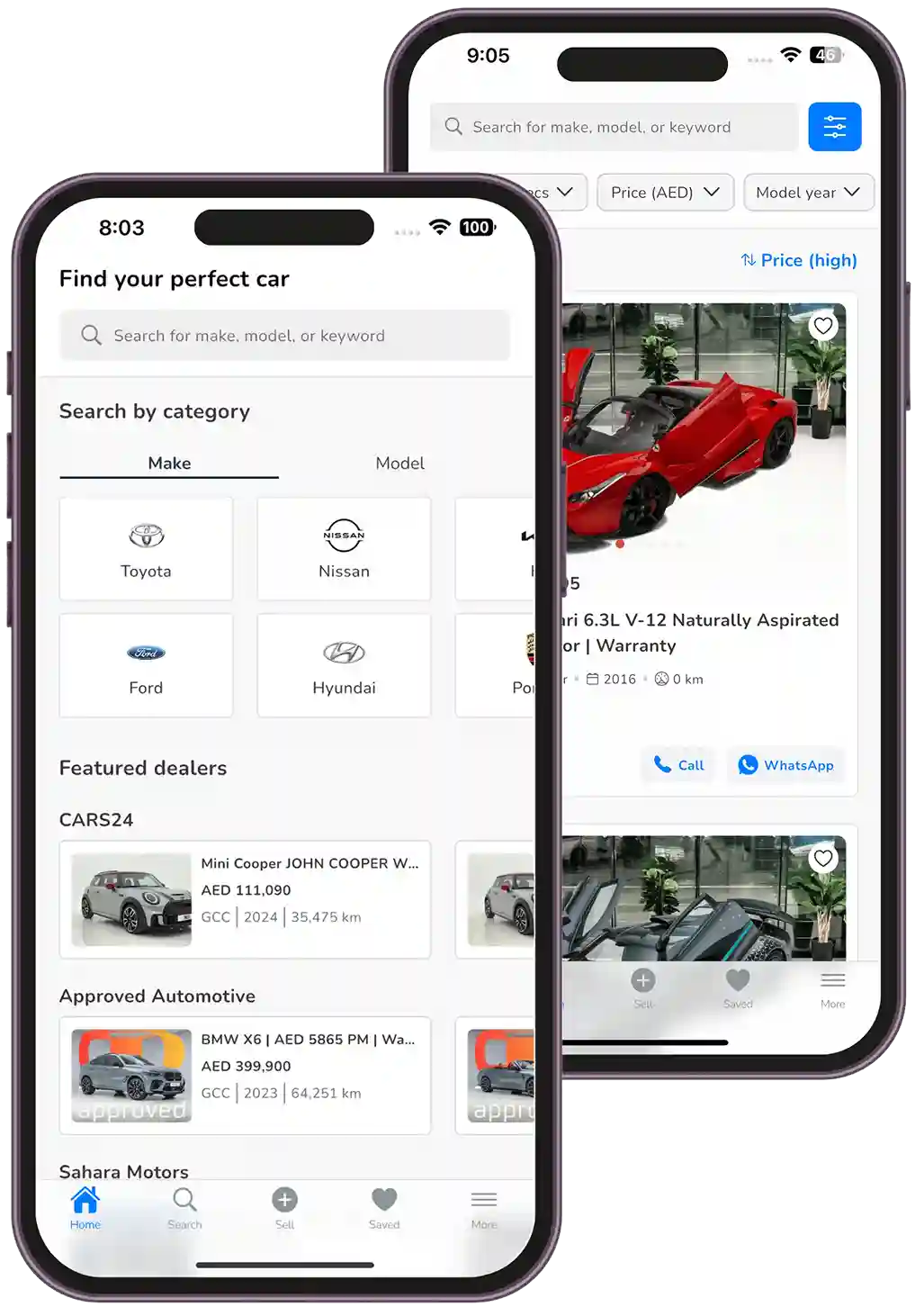
Dubicars app on mobile