
Fiat 126

TBD

Fiat 126 Key Specifications

Battery size Battery size
TBD
Horsepower Horsepower
TBD
Transmission Transmission
TBD
Fuel Type Fuel Type
TBD
Battery Range Battery Range
TBD
Seating capacity Seating capacity
TBD seater
Transmission Transmission
TBD
Seating capacity Seating capacity
TBD seater

Fiat 126 Pros and Cons

What we like
  • Extremely compact.
  • Economical to run.
  • Simple mechanics.
What we don't like
  • Very basic comfort.
  • Limited safety features.
  • Underpowered.

Fiat 126 Overview

Introduction

The Fiat 126, launched in 1972, was developed as the successor to the hugely popular Fiat 500. Designed as a compact city car, it retained the rear-engine layout but featured a more modern and boxy design. Affordable and practical, it became especially popular in Europe and Poland, where it was built under license and earned the nickname “Maluch” (meaning “little one”). The 126 played a key role in providing economical mobility for millions.

Exterior

The Fiat 126 featured a squared-off, minimalist design that reflected practicality over style. Its compact dimensions made it ideal for crowded European cities, while wide windows ensured good visibility. Small wheels, simple bumpers, and clean lines emphasized its utilitarian nature. Despite its modest looks, the 126 became iconic due to its role as a people’s car, much like the Volkswagen Beetle in its own category.

Interior

Inside, the Fiat 126 was extremely basic, focusing solely on affordability and function. The cabin included simple vinyl seats, a minimalist dashboard, and limited storage space. Instrumentation was reduced to essential dials, making it easy to use but spartan by modern standards. While comfort was minimal, the 126 excelled as a no-frills urban commuter that was inexpensive to own and run.

Safety Features

Safety was limited in the Fiat 126, consistent with small cars of its era. It featured a basic steel structure with some crumple zone protection and standard seatbelts in later models. The lightweight design allowed for nimble handling, which indirectly aided safety in city driving. However, compared to modern standards, its crash protection and safety equipment were very basic.

Engine Trims

The Fiat 126 came with small two-cylinder engines ranging from 594 cc to 704 cc, producing between 23 hp and 26 hp. These air-cooled engines were mounted at the rear and paired with a four-speed manual transmission. Performance was modest, with a top speed of around 105 km/h, but sufficient for urban and short-distance driving. Later Polish-built versions introduced water-cooled engines for improved efficiency.

Maintenance

One of the 126’s greatest strengths was its simplicity, making it very easy and inexpensive to maintain. Spare parts were widely available, especially in countries where it was mass-produced. Owners could perform many repairs themselves due to the car’s straightforward mechanics. However, issues like rust and limited engine power required consistent upkeep. Today, enthusiasts value the 126 for its nostalgic charm and ease of restoration.

Competitors

The Fiat 126 competed with small cars such as the Volkswagen Beetle, Citroën 2CV, and Renault 4. The Beetle offered greater durability, the 2CV focused on comfort, and the Renault 4 provided practicality. Fiat distinguished the 126 with its ultra-compact size, affordability, and ease of use in dense urban areas, cementing its place as one of Europe’s most iconic city cars.

Fiat 126 FAQs

  • What is the price of Fiat 126 in the UAE?

    The price of a Fiat 126 in the UAE is TBD.

  • What is the fuel economy of Fiat 126?

    The manufacturer suggested fuel economy of Fiat 126 is TBD.

  • What are the trims of Fiat 126?

    The trims for Fiat 126 are .

  • What is the top speed of Fiat 126?

    The top speed of Fiat 126 is TBD.

  • What is the Fuel Tank Capacity of Fiat 126?

    The fuel tank capacity of Fiat 126 is TBD.

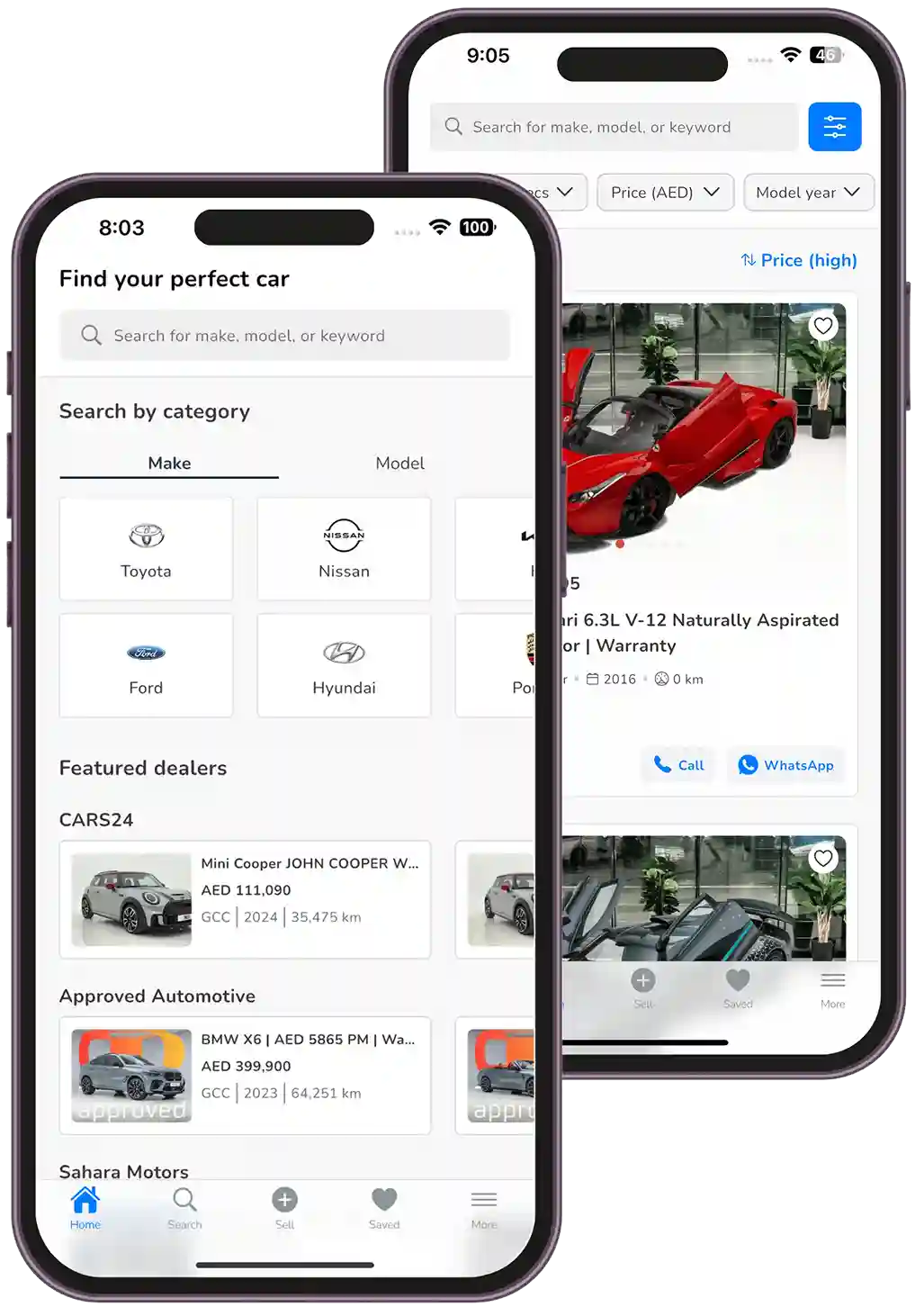
Dubicars app on mobile