Introduction
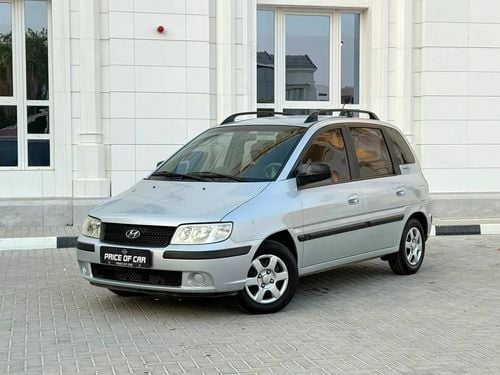
The Hyundai Matrix, also known as the Hyundai Lavita in some markets, was introduced in 2001 as a compact multi-purpose vehicle (MPV). Designed in collaboration with the Italian design house Pininfarina, it combined practicality, flexibility, and affordability for families. With a tall roofline, versatile seating, and a focus on urban functionality, the Matrix offered buyers a spacious alternative to sedans and hatchbacks. Production continued until 2010 in various regions, making it a reliable family-oriented vehicle.
Exterior
The Matrix featured a tall and boxy silhouette optimized for space and practicality. Its design included large windows for improved visibility, a short hood, and compact dimensions suitable for city driving. The Pininfarina influence was seen in its balanced proportions and subtle European styling cues. Facelifted versions introduced updated headlights, restyled grilles, and more modern bumpers. Roof rails and alloy wheels were available on higher trims.
Interior
Inside, the Matrix emphasized versatility and comfort. It offered a flexible five-seat layout with individually folding and sliding rear seats to maximize cargo or passenger space. The tall cabin provided excellent headroom, while the wide-opening doors improved accessibility. Higher trims included air conditioning, power accessories, leather upholstery, and upgraded audio systems. Practical features such as numerous storage compartments and a large boot added to its family appeal.
Safety Features
Safety equipment in the Matrix evolved across its production years. Standard features included dual airbags, ABS brakes, and reinforced safety structures. Later versions added side airbags, electronic stability control, and improved crumple zones. Its high seating position also improved driver visibility, contributing to safer urban driving. While not class-leading, it offered adequate protection for its market segment.
Engine Trims
The Matrix was offered with a selection of petrol and diesel engines, depending on the market. Petrol engines included 1.6-liter and 1.8-liter four-cylinder units, while diesel options ranged from 1.5-liter to 2.0-liter CRDi engines. Power outputs varied between 100 hp and 120 hp. Transmission options included five-speed manual and four-speed automatic gearboxes. The diesel engines were especially popular in European markets for their fuel efficiency.
Maintenance
Maintenance of the Matrix was generally affordable, with routine servicing ensuring long-term reliability. Petrol models required minimal upkeep, while diesel versions needed careful attention to turbo and fuel systems. Spare parts were widely available, and Hyundai’s growing dealer network during the 2000s supported ownership. The Matrix earned a reputation for durability and low running costs.
Competitors
The Hyundai Matrix competed with compact MPVs like the Toyota Corolla Verso, Opel Zafira, and Citroën Xsara Picasso. While competitors often emphasized style or advanced features, the Matrix stood out for its practicality, flexible seating, and affordability, making it a strong contender for families needing a functional compact MPV.
Read more 



 Battery size
 Horsepower
 Transmission
 Fuel Type
 Battery Range
 Seating capacity

 Premium