Kia, the South Korean automaker that has established itself as one of the world's most dynamic and design-progressive vehicle manufacturers across its global range, developed the Kia Pegas specifically for the price-sensitive sedan markets of North Africa, the Middle East, and selected Asian markets, introducing it in 2017 as a front-wheel-drive, four-door compact sedan positioned to offer maximum practicality, fuel efficiency, and Kia quality at the most accessible price point the brand offers for a full four-door body style. Built on a dedicated compact sedan platform with a naturally aspirated petrol engine paired to either a manual or automatic transmission, the Pegas was conceived to serve buyers who prioritize reliability, low running costs, clear sightlines, a full-sized boot, and the everyday practicality that a conventional three-box sedan provides in a way that hatchbacks and crossovers cannot fully replicate. The 2026 Kia Pegas continues to represent exceptional value in its targeted market segments, offering Kia's trusted engineering quality, modern design language, and well-organized cabin technology in a package whose price accessibility is fundamental to its appeal.
History and Development
The Kia Pegas was developed as a market-specific compact sedan tailored to the preferences and budget expectations of buyers in regions where affordable, dependable, fuel-efficient transportation in a conventional sedan body style remains the dominant vehicle category. Introduced initially in Egypt as part of Kia's strategy to deepen its presence in emerging markets with purposefully engineered, locally relevant products, the Pegas quickly expanded to additional North African, Middle Eastern, and certain Asian markets where the conventional sedan's practicality, spacious interior, and large boot remained primary purchasing criteria. Unlike many market-specific models that represent compromised or dated engineering under accessible pricing, the Kia Pegas was designed from the outset to deliver Kia's contemporary design language, quality standards, and core technology content, distinguishing it from the purely utilitarian competitors that characterized the affordable sedan class in its target markets. The Kia Pegas price was calibrated carefully to position the car as the accessible yet aspirational choice in each market, competing directly with locally produced sedans and aged imported models while offering the reassurance of Kia's established reputation for engineering durability and aftersales support. The 2026 Kia Pegas continues this mission with an updated specification that enhances the car's technology content and visual appeal without compromising the affordable price positioning that is central to its market proposition. Over successive model year updates, the Pegas has received infotainment improvements, additional safety content, and exterior detail refinements that keep the car competitive in its targeted segments despite operating in a more challenging and competitive landscape than when it was first introduced.
Exterior Design
The exterior of the 2026 Kia Pegas applies Kia's contemporary design language to the three-box sedan form with a clarity and confidence that gives this accessible entry-level model a visual appeal considerably stronger than its price position might suggest. The front fascia features a clean interpretation of Kia's signature grille, flanked by aerodynamically shaped headlight clusters that incorporate LED daytime running light elements on higher specification variants, giving the Pegas a modern and recognizably Kia frontal identity that aligns the car with the brand's broader global design direction. The hood is cleanly surfaced with a subtle central crease that adds a sense of structure and intentionality to the forward bodywork, while the front bumper is neatly resolved with lower air intake detailing that gives the car a tidy, considered appearance. The body profile is the conventional three-box sedan form executed with proportional balance, with a gentle waist line rising through the door panels connecting the front and rear body sections, and a roofline that tapers only modestly toward the tail to maximize rear headroom while still presenting a reasonably aerodynamic silhouette. Rear treatment is clean and straightforward, with horizontal tail lamp clusters that emphasize the car's width and give it a contemporary appearance consistent with Kia sedans positioned well above it in the range. Alloy wheel options on higher Pegas trims add a meaningful visual improvement over steel wheels with plastic covers, and available body colour choices include options that give the car a personality more expressive than purely utilitarian sedan buyers typically associate with vehicles at the Kia Pegas price level.
Kia Pegas Performance and Engine Specifications
The 2026 Kia Pegas is powered by a single 1.4-litre naturally aspirated four-cylinder petrol engine that produces 94 horsepower and 132 Nm of torque, an uncomplicated, proven unit that is optimized for the fuel efficiency, low maintenance requirements, and long-term mechanical durability that buyers in the Pegas's target markets place at the top of their purchasing priorities. This engine has a linear, smooth power delivery character that makes the Pegas easy and relaxed to drive in city traffic, responding predictably to throttle inputs and maintaining a low-stress, comfortable driving character across the range of speeds that urban and inter-city driving demands. The 94 horsepower output is modest but well-matched to the Pegas's compact dimensions and light kerb weight, delivering performance that is adequate and unfatiguing for the driving conditions that most Pegas owners encounter daily, and fuel economy figures that make running costs genuinely competitive over the extended ownership periods that many buyers in these markets maintain. A top speed of approximately 170 km/h and a 0 to 100 km/h time in the 12-13 second range place the Pegas firmly in the pragmatic performance bracket expected of an affordable compact sedan, with the emphasis decisively on relaxed, efficient, long-life transportation rather than spirited driving dynamics. The Kia Pegas price relative to this powertrain's specification reflects Kia's approach to these markets, delivering a dependable, modern engine with excellent parts availability and straightforward servicing requirements that reduce the total cost of ownership over time. No turbocharged, hybrid, or electrified variant is offered on the current Pegas, consistent with the car's positioning as a practical, cost-focused transportation solution.
Transmission and Drivetrain of the 2026 Kia Pegas
The 2026 Kia Pegas is offered with a choice of a five-speed manual gearbox or a four-speed automatic transmission, both calibrated to complement the 1.4-litre engine's character and the low-stress, comfortable driving experience that defines the Pegas ownership proposition. The five-speed manual provides a light, accessible shift action with clearly defined gate positions that make gear selection intuitive for drivers of varying skill levels, while the light clutch pedal weighting reduces fatigue in frequent stop-start city traffic without entirely removing the mechanical feedback that makes a manual gearbox a more engaging choice than an automatic on open roads. The four-speed automatic is the more popular choice in many Pegas markets, operating with smooth, unhurried gear changes that keep the driving experience relaxed and the engine operating well within its comfortable rev range across typical urban and inter-city driving cycles. All versions of the Kia Pegas are front-wheel-drive, with a MacPherson strut front suspension and torsion beam rear axle arrangement that provides a well-balanced compromise between ride comfort over imperfect road surfaces and sufficient cornering composure to make the car feel stable and predictable in the varied road conditions that buyers in its target markets regularly encounter. The electric power steering is light and easy to operate, making low-speed manoeuvring and parking simple in the dense urban environments where the Pegas is most frequently used, while the car's compact dimensions and tight turning circle further enhance its urban usability. No all-wheel-drive, torque vectoring, or sophisticated electronic traction management systems are fitted, consistent with the car's front-wheel-drive compact sedan mission and its positioning at the accessible end of the Kia Pegas price spectrum.
Interior Comfort and Cabin Technology of the Kia Pegas 2026
The interior of the Kia Pegas 2026 delivers a well-organized, practically considered cabin environment that is designed to meet the everyday needs of compact sedan buyers in markets where function, durability, and good space utilization are the primary interior criteria. The dashboard layout is clear and logically arranged, with a centrally positioned infotainment touchscreen measuring 8 inches on higher specification trims that supports smartphone connectivity via Apple CarPlay and Android Auto, Bluetooth audio, and USB charging inputs that satisfy the digital lifestyle requirements of modern buyers. The analogue or semi-digital instrument cluster presents speed, fuel level, and vehicle information in a legible, uncomplicated format that avoids unnecessary visual complexity and keeps the driving experience focused and undistracting. Seat quality throughout the Pegas cabin is practical and durable, with fabric upholstery that resists wear well in the high-use conditions typical of family vehicles in the Pegas's target markets, and front seat comfort that is adequate for the journey lengths most Pegas owners regularly undertake. Rear passenger accommodation is one of the Pegas's genuine competitive strengths, providing notable legroom and headroom for a compact sedan, a reflection of the body's three-box architecture which allows the passenger compartment to be dimensioned more generously than in equivalent hatchbacks. The boot offers a usable and practically shaped luggage compartment that serves family shopping, luggage for short trips, and everyday cargo loads with reliability and without the compromises of a raised loadfloor. Air conditioning, power windows, and central locking are standard throughout the Kia Pegas range, providing the comfort fundamentals that buyers in the model's target markets consider essential at the Kia Pegas price level.
Safety Technology in the Kia Pegas 2026
The safety specification of the 2026 Kia Pegas reflects both the car's accessible price positioning and Kia's commitment to providing meaningful protection across all levels of its model range, with a set of passive and active safety provisions that exceeds what locally produced competitors in the same market segments typically offer. Dual front airbags are standard, providing frontal impact protection for the driver and front passenger, and ABS anti-lock braking with electronic brake-force distribution is standard across the Pegas range, ensuring consistent and controlled stopping performance on the varied surface conditions that buyers in North Africa and the Middle East regularly encounter. Electronic stability control is fitted as standard to manage oversteer and understeer situations in emergency avoidance manoeuvres, reducing the risk of loss of control in the high-speed scenarios that freeways and inter-city roads in the model's core markets generate. Hill start assist prevents roll-back on inclined starts, a feature that proves its practical value on the steep ramp junctions and hilly urban environments that many Pegas drivers navigate regularly as part of their daily commutes. Higher specification Pegas variants in certain markets add additional safety content including rear parking sensors and a reversing camera that improve low-speed manoeuvring safety, a particularly relevant feature in the dense urban parking environments characteristic of Cairo, Riyadh, and similar cities. The Pegas body structure provides a safety cell designed to protect occupants in frontal and side impact scenarios, and Kia's quality manufacturing standards ensure consistent body stiffness and joint integrity that underpins the car's long-term structural durability.
The Enduring Legacy and Lasting Appeal of the Kia Pegas
The Kia Pegas occupies a specific and well-defined role within Kia's global lineup, serving as the brand's most accessible sedan offering in markets where practical, affordable, and reliable four-door transportation remains the dominant vehicle category and where Kia's reputation for engineering durability and aftersales support is a powerful competitive differentiator. Against local competitors and entry-level sedans from other Asian manufacturers, the Kia Pegas distinguishes itself through the strength of Kia's design language applied even at this accessible price point, a technology specification that includes modern infotainment and connectivity features that locally produced alternatives rarely match, and the reassurance of Kia's warranty and service network that gives buyers long-term confidence in their investment. The Kia Pegas price has always represented the brand's most compelling argument for buyers who want Kia quality and reliability but whose budget begins at the most accessible end of the new car market, and the model has consistently delivered on that promise without compromise to fundamental engineering standards. Each model year update has reinforced the Pegas's position in its markets by adding technology content and refining equipment levels in response to buyer feedback, demonstrating that Kia's commitment to this segment is genuine and sustained rather than merely an exercise in market presence. The 2026 Kia Pegas remains the clearest expression of Kia's belief that quality, design integrity, and modern features should be available to every buyer regardless of budget, and it continues to serve that belief with admirable consistency.
Read more 

.jpg?6)


 Engine
 Horsepower
 Transmission
 Fuel Type
 Mileage
 Seating capacity



.jpg)
.jpg)



.jpg)
.jpg)
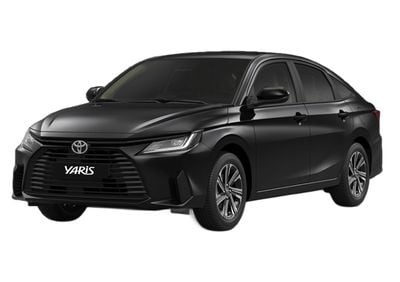 Toyota Yaris64,900
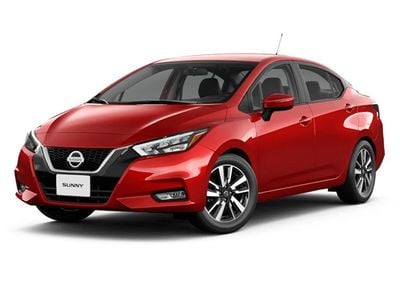 Nissan Sunny61,500
.jpg) Hyundai Accent90,000
Hyundai Accent90,000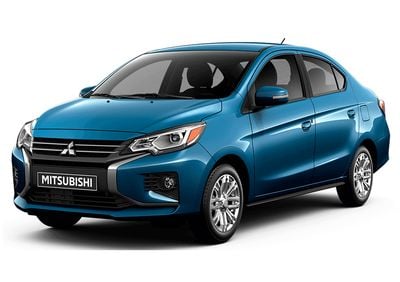 Mitsubishi Attrage36,900
.jpg)