

Mercedes Benz 190 E
Starting from 175,000 


Mercedes Benz 190 E key specifications
 Battery size TBD |  Horsepower TBD |  Transmission TBD |
 Fuel Type TBD |  Battery Range TBD |  Seating capacity TBD seater |
| Transmission TBD | Seating capacity TBD seater |
Mercedes Benz 190 E overview
Used Mercedes Benz 190 E price by year
Mercedes Benz 190 E price by location
| Mercedes Benz 190 E in UAE | Average starting price |
|---|---|
| Mercedes Benz 190 E in Dubai | 175,000 |
Mercedes Benz 190 E pros and cons
What we like
- Classic Mercedes-Benz design
- Comfortable ride
- Durable construction
What we don't like
- Older model
- Limited interior space
- Limited features
Share your car story.
Your journey behind the wheel deserves to be shared. It could guide someone who needs it.
Write a review
Mercedes Benz 190 E for sale
View all Mercedes Benz 190 E cars for sale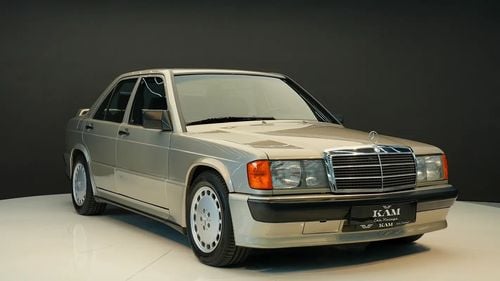
190 E FAQs
What is the price of Mercedes Benz 190 E in the UAE?
The price of a Mercedes Benz 190 E in the UAE is TBD.
What is the fuel economy of Mercedes Benz 190 E?
The manufacturer suggested fuel economy of Mercedes Benz 190 E is TBD.
What are the trims of Mercedes Benz 190 E?
The trims for Mercedes Benz 190 E are .
What is the top speed of Mercedes Benz 190 E?
The top speed of Mercedes Benz 190 E is TBD.
What is the Fuel Tank Capacity of Mercedes Benz 190 E?
The fuel tank capacity of Mercedes Benz 190 E is TBD.
Get the DubiCars app
Explore more than 30,000 new & used cars for sale in uae from over 350 trusted dealerships.



Scan the QR code to get the app