
Renault Trafic

AED 17,000 info-icon

Renault Trafic Key Specifications

Battery size Battery size
TBD
Horsepower Horsepower
TBD
Transmission Transmission
TBD
Fuel Type Fuel Type
TBD
Battery Range Battery Range
TBD
Seating capacity Seating capacity
TBD seater
Transmission Transmission
TBD
Seating capacity Seating capacity
TBD seater

Renault Trafic Pros and Cons

What we like
  • Versatile configurations.
  • Fuel-efficient engines.
  • Reliable workhorse.
What we don't like

Renault Trafic Overview

Introduction

The Renault Trafic is a light commercial van first introduced in 1980. It has since become one of Renault’s most successful vans, widely used in Europe and beyond for both cargo and passenger transport. With multiple generations and body configurations, the Trafic is known for its practicality, durability, and adaptability for business and family needs.

Exterior

The Renault Trafic features a boxy, utilitarian design focused on maximizing space. Early generations had a simple, rugged appearance, while later models adopted smoother styling, modern headlamps, and a bolder front grille. Sliding side doors and wide-opening rear doors make loading and unloading easy, and high-roof variants offer even more practicality.

Interior

Inside, the Trafic provides a spacious and functional cabin. Cargo versions emphasize durability with easy-to-clean materials, while passenger versions offer seating for up to nine people. Later generations added comfort and technology features such as touchscreen infotainment, climate control, and ergonomic storage solutions, making it a versatile vehicle for both work and leisure.

Safety Features

Safety in the Trafic has evolved significantly across generations. Early models offered basic seatbelts and reinforced structures, while newer versions include multiple airbags, ABS, electronic stability control, hill start assist, and advanced driver assistance systems. These features enhance both driver and passenger safety, making it suitable for long-distance travel and commercial use.

Engine Trims

The Trafic has been powered by a wide range of petrol and diesel engines over the years, with a strong focus on efficient diesel powertrains such as 1.6L and 2.0L dCi engines. Manual and automatic transmissions are available, depending on the model. The engines are designed to balance fuel economy with the torque needed for carrying heavy loads.

Maintenance

The Trafic is relatively easy to maintain, thanks to its wide availability of parts and Renault’s extensive service network. Regular maintenance of the diesel fuel system, brakes, and suspension is crucial for reliability. Later models with more advanced electronics require specialized servicing but remain durable under proper care.

Competitors

The Renault Trafic competes with other light commercial vans such as the Ford Transit Custom, Volkswagen Transporter, Mercedes-Benz Vito, and Peugeot Expert. Its balance of affordability, practicality, and adaptability makes it a strong contender in the commercial van market.

Renault Trafic FAQs

  • What is the price of Renault Trafic in the UAE?

    The price of a Renault Trafic in the UAE is TBD.

  • What is the fuel economy of Renault Trafic?

    The manufacturer suggested fuel economy of Renault Trafic is TBD.

  • What are the trims of Renault Trafic?

    The trims for Renault Trafic are .

  • What is the top speed of Renault Trafic?

    The top speed of Renault Trafic is TBD.

  • What is the Fuel Tank Capacity of Renault Trafic?

    The fuel tank capacity of Renault Trafic is TBD.

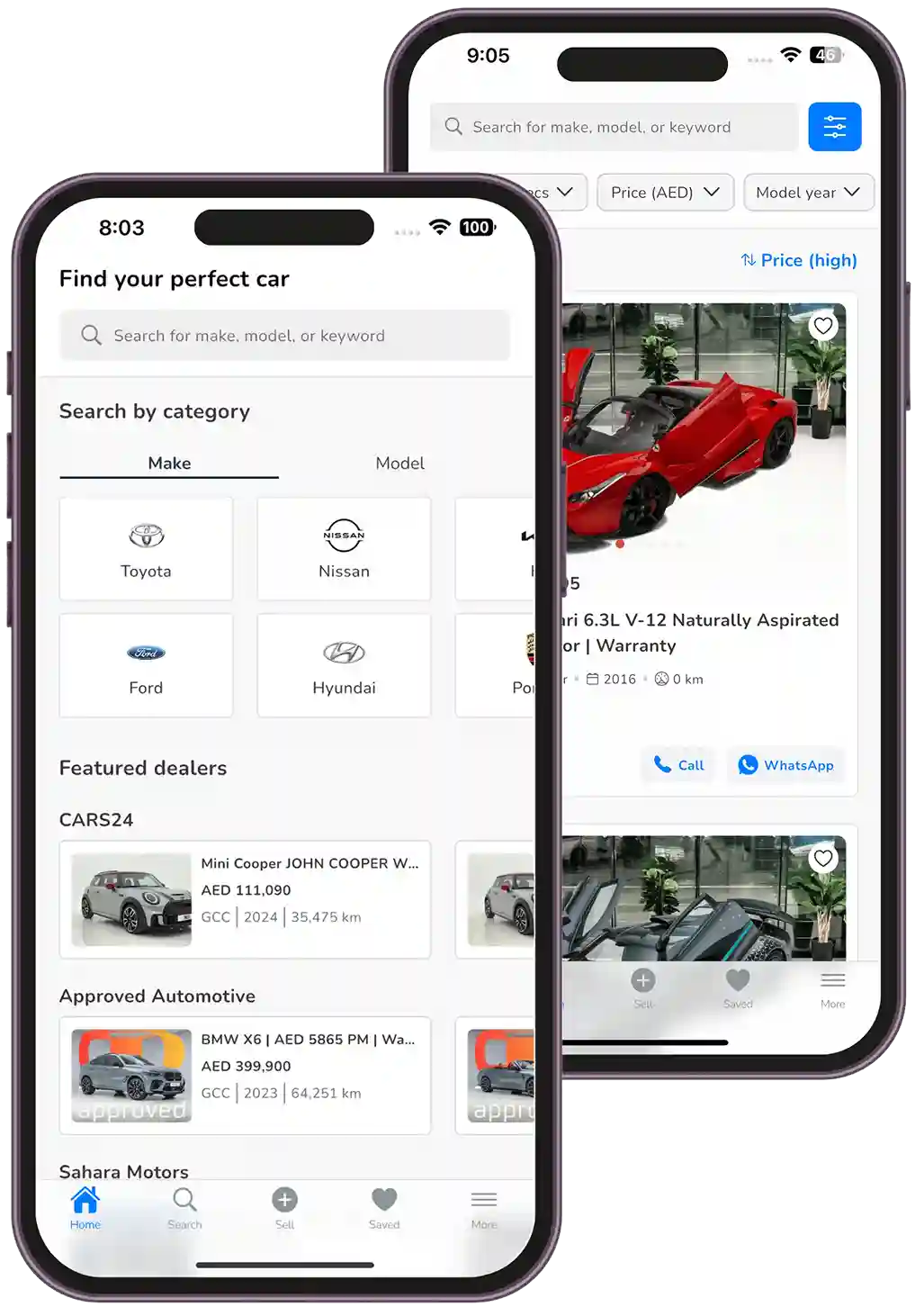
Dubicars app on mobile