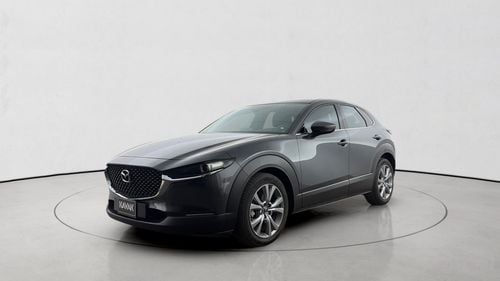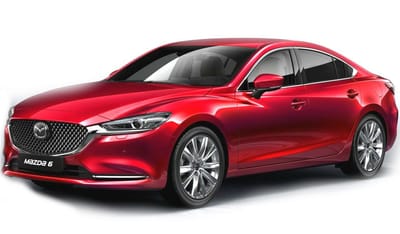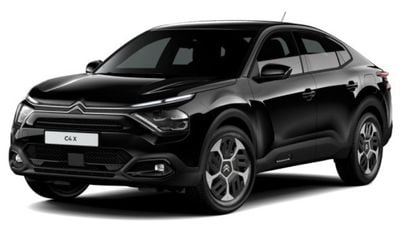

The Mazda CX-30 is a compact crossover SUV produced by Mazda Motor Corporation, a Japanese automaker headquartered in Hiroshima, entering production in 2019 as a model positioned between the CX-3 and CX-5 in the brand's crossover lineup. Built on the Skyactiv Vehicle Architecture, the CX-30 offers a refined, premium driving experience that defies its accessible price point. The 2026 Mazda CX-30 arrives as the most polished and capable version yet, combining expressive Kodo design with advanced powertrains including a mild-hybrid Skyactiv-G system and the acclaimed Skyactiv-X compression ignition engine, available with Mazda's intelligent i-Activ AWD all-wheel drive system.
History and Development
Mazda has long been known for building driver-focused vehicles that compete well above their class, and the CX-30 is a natural expression of that philosophy applied to the competitive compact crossover segment. The model was unveiled at the 2019 Geneva Motor Show and entered production shortly thereafter, filling a gap in Mazda's SUV family that had existed between the subcompact CX-3 and the midsize CX-5. The CX-30 drew its design and engineering DNA from the same generation of Skyactiv technology that underpinned the acclaimed Mazda3, sharing its platform and powertrain architecture while offering the elevated ride height and practicality that crossover buyers demand.
From its earliest days, the Mazda CX-30 was positioned as a vehicle for buyers who refuse to compromise. Mazda's engineers focused heavily on refinement, acoustic insulation, and driving dynamics - areas where most compact crossovers tend to disappoint. The introduction of the Skyactiv-X engine, a world-first compression ignition petrol unit, demonstrated Mazda's willingness to invest in innovative engineering rather than chasing headline-grabbing numbers. Through successive model years, the CX-30 received measured but meaningful updates, adding new technologies, refining the cabin, and expanding the powertrain lineup to include a 48V mild-hybrid system. For buyers researching the Mazda CX-30 price, the model has consistently represented remarkable value measured against its material quality and engineering sophistication. The 2026 Mazda CX-30 represents the culmination of that developmental journey, a compact crossover that has matured into one of the segment's most rewarding choices.
Exterior Design
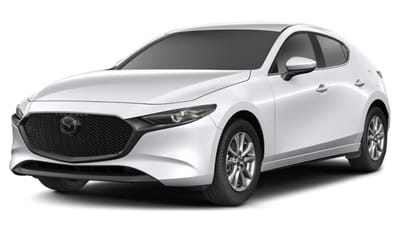
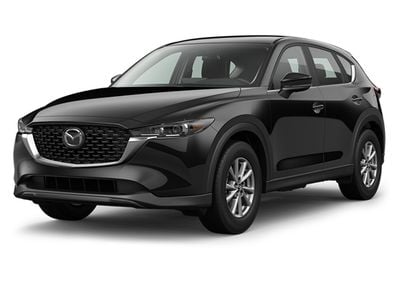
The visual identity of the Mazda CX-30 is rooted in the brand's Kodo design philosophy, a concept that translates roughly as "soul of motion" and seeks to capture a sense of dynamic energy even when the car is standing still. The front fascia features a wide, horizontal grille finished in a dark surround that gives the CX-30 a sophisticated and purposeful expression. Slim LED headlights stretch back toward the A-pillars, their sharp signature lighting graphic creating an instantly recognizable face. The hood is sculpted with flowing creases that catch light differently depending on viewing angle, lending the front end a sense of depth and movement that is rare in this segment.
In profile, the CX-30 presents a coupe-like roofline that slopes gradually toward the rear, reinforcing its sporty character without sacrificing rear headroom to an unacceptable degree. The body sides are clean and composed, with surface tension achieved through gentle convex forms rather than sharp creases - a hallmark of Kodo design. Wheel arches are generously sized and finished with a subtle flare that gives the CX-30 a planted, confident stance. Available in a range of colours including the signature Soul Red Crystal Metallic and Machine Grey Premium Metallic, the CX-30 price reflects the premium finish quality of its bodywork. The 2026 CX-30 benefits from refined alloy wheel designs that complement its proportions, and available Polymetal Grey finishes add further personality to an already distinctive design.
Mazda CX-30 Performance and Engine Specifications
The Mazda CX-30 offers a well-considered range of powertrains that prioritise refinement and real-world usability over outright power figures. The entry-level unit is a 2.0-litre Skyactiv-G naturally aspirated petrol engine producing 122 horsepower and 213 Nm of torque. This engine, paired with a 24V M Hybrid mild-hybrid system across most markets, delivers smooth and linear power delivery with improved fuel efficiency compared to non-hybrid alternatives. It suits everyday urban and suburban driving with ease and pulls confidently at motorway speeds.
The more characterful option in the CX-30 lineup is the Skyactiv-X 2.0-litre engine, a unit that uses Spark Controlled Compression Ignition to combine the efficiency benefits of a diesel with the smooth power delivery of a petrol. This engine produces 186 horsepower and 240 Nm of torque, and the Mazda CX-30 equipped with this unit accelerates from 0-60 mph in approximately 7.5 seconds, with a top speed approaching 134 mph. The character of this engine is refined and eager, with strong mid-range torque that makes it particularly satisfying for spirited driving. In select markets, the CX-30 is also available with a 2.5-litre naturally aspirated four-cylinder producing 191 horsepower, offering effortless highway performance and competitive fuel economy. For those researching the Mazda CX-30 price across the powertrain range, the Skyactiv-X variants carry a premium that most buyers with an interest in driver engagement will find easy to justify.
Transmission and Drivetrain of the 2026 Mazda CX-30
The 2026 Mazda CX-30 is available with either a six-speed manual gearbox or a six-speed automatic transmission, depending on the powertrain and market. The manual is a satisfying unit with short, mechanical throws and a well-weighted clutch that rewards driver involvement. The automatic transmission uses a conventional torque converter design that Mazda has calibrated for smooth and predictable behaviour in everyday driving, with Sport mode sharpening throttle response and holding gears longer for a more engaged experience on demanding roads.
Drive can be configured as front-wheel drive on most standard variants, while Mazda's i-Activ AWD system is available across the range and provides intelligent torque distribution between the front and rear axles. The system uses sensors monitoring wheel slip, steering angle, brake pressure, and ambient conditions to predict and respond to grip changes before wheel slip actually occurs. The CX-30's suspension uses MacPherson struts at the front and a torsion beam at the rear, tuned with considerable care to deliver a composed and confident ride without sacrificing the engagement that Mazda's engineers regard as central to the driving experience. The result is a compact crossover that handles with genuine precision and composure, characteristics that set the CX-30 apart from many rivals in this crowded segment.
Interior Comfort and Cabin Technology of the Mazda CX-30 2026
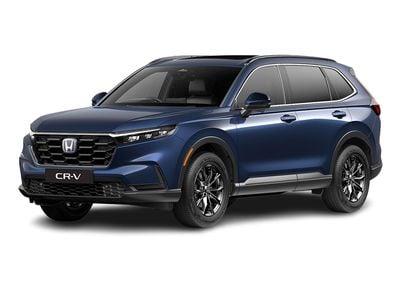
Step inside the Mazda CX-30 2026 and the quality of the cabin environment immediately distinguishes this vehicle from the compact crossover mainstream. The dashboard is designed with a strong horizontal emphasis and uses high-quality soft-touch materials on every surface the driver or passenger is likely to contact. Slim air vents, metallic trim inserts, and a clean, uncluttered layout create a sense of purpose and refinement that many buyers comparing the CX-30 price against rivals from Volkswagen or Honda will find strikingly impressive.
The driver faces a compact instrument binnacle housing a digital display that presents speed, navigation, and trip data with clarity and precision. Infotainment is handled through a 10.25-inch centre screen running Mazda's connected services system, operated primarily through a rotary controller on the centre console rather than touchscreen input while the vehicle is in motion - a design decision rooted in Mazda's human-centric engineering philosophy. Apple CarPlay and Android Auto connectivity are standard, and a premium Bose audio system is available on higher trims. Seats are covered in tasteful fabric or Nappa leather depending on specification, and their comfort across long journeys is excellent. Rear passenger space is adequate for two adults, though taller occupants may find the sloping roofline limits headroom slightly. The boot offers 422 litres of capacity, rising to 1,301 litres with the rear seats folded, making the 2026 CX-30 practically suited for everyday family use.
Safety Technology in the Mazda CX-30 2026
Safety has been a central priority in the development of the Mazda CX-30 from the very beginning, and the 2026 CX-30 arrives with a comprehensive suite of driver assistance systems as standard across the range. Mazda's i-Activsense suite includes autonomous emergency braking with pedestrian and cyclist detection, lane-keeping assist, lane departure warning, driver attention alert, blind spot monitoring, rear cross-traffic alert, and adaptive cruise control with stop-and-go functionality. These systems work quietly in the background, intervening only when necessary and avoiding the intrusive behaviour that characterises some competing implementations.
Higher trim levels of the CX-30 add traffic sign recognition, front and rear parking sensors, and a 360-degree surround view camera system that makes urban parking significantly more manageable. The body structure of the Mazda CX-30 is built around Mazda's Skyactiv-Body architecture, which uses high-strength steel in key structural areas to create a rigid safety cell that protects occupants effectively in a collision. Six airbags are standard across the range, and the CX-30 has earned a five-star Euro NCAP safety rating, validating the effectiveness of its passive and active safety systems in real-world testing.
The Enduring Legacy and Lasting Appeal of the Mazda CX-30
The Mazda CX-30 has established itself as one of the most thoughtfully engineered compact crossovers available, carving out a distinctive identity in a segment crowded with competent but often forgettable alternatives. Where rivals such as the Volkswagen T-Roc, Kia Sportage, and Hyundai Tucson prioritise technology features and cabin space, the CX-30 leads with driving dynamics, material quality, and design sophistication that feel premium rather than merely functional. This vehicle is built for buyers who care about how their car drives, how it looks outside their home, and how the interior feels during a long journey.
The CX-30's Kodo design has aged remarkably well, continuing to attract admiring attention in an era when many competitors' styling has already begun to date. Mazda's decision to prioritise surface quality and material integrity over gadgetry has paid dividends in owner satisfaction, with the brand consistently scoring highly in reliability and customer experience surveys. The Mazda CX-30 price positions it as attainable without feeling cheap - a balance very few manufacturers manage to strike with this level of consistency. The 2026 Mazda CX-30 is more than simply an updated compact crossover; it is a declaration of what this class of vehicle can be when an automaker refuses to settle for good enough.
Read more