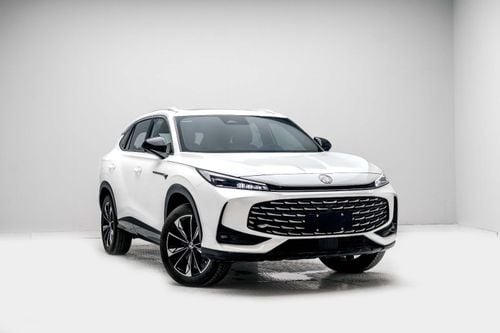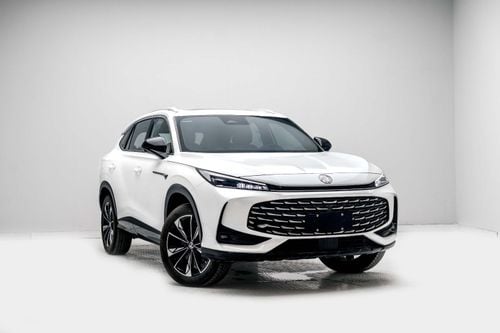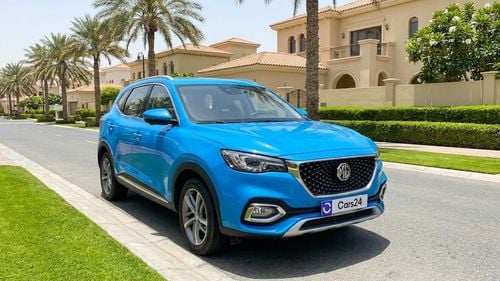

The MG HS is a confident, family-focused compact SUV from MG Motor, the historic British marque now under the stewardship of SAIC Motor of China since 2007. First introduced in its modern form in 2018 and substantially renewed for its second generation built on the SAIC SSA+ modular platform, the MG HS has rapidly become one of the brand's most important global products. Offered as a five-door, five-seat crossover with both turbocharged petrol and plug-in hybrid powertrains under the EHS designation, the 2026 MG HS represents the most accomplished version of the nameplate yet, with sharper design, smarter technology, and significantly enhanced refinement throughout the cabin and driving experience.
History and Development
MG's roots reach back to 1924 in Oxford, England, where Cecil Kimber's Morris Garages began transforming standard saloons into more sporting machines. The octagonal badge became synonymous with affordable performance and engaging driving manners across nearly a century of sports cars, saloons, and roadsters. Following the brand's acquisition by SAIC in 2007, MG entered a renaissance, transitioning from its traditional roadster focus into a full-line manufacturer capable of building modern crossovers, sedans, and electric vehicles for global export markets.
The HS arrived in 2018 as the brand's flagship compact SUV, designed from the outset to compete head-on with established names in one of the world's most fiercely contested segments. The second generation, introduced in 2024 and forming the basis of the 2026 MG HS, brought a sharper design language, an entirely new interior architecture, and updated powertrains including a more sophisticated plug-in hybrid variant. The HS has become a sales pillar for MG in Europe, the Middle East, and Asia, helped substantially by an attractive MG HS price and the strong warranty package that accompanies it. The model line now represents the heart of the brand's volume strategy.
Exterior Design
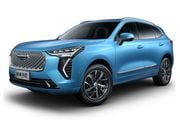
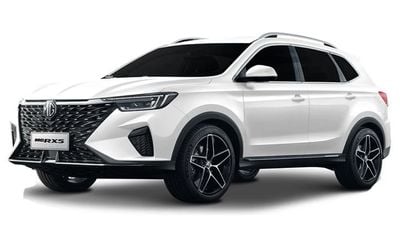
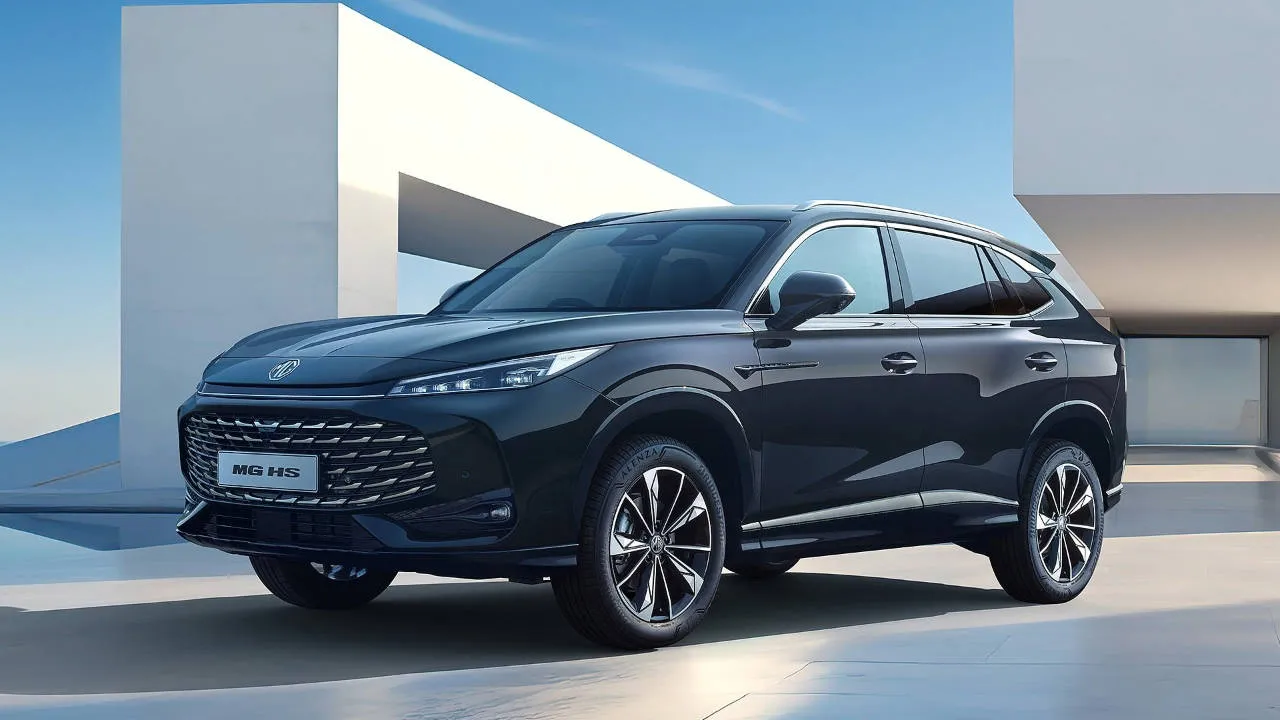
The exterior of the MG HS strikes a balance between dynamic surface treatment and family SUV practicality. A large interlocking diamond grille dominates the front fascia, flanked by slim LED matrix headlights with crystalline internal graphics and signature daytime running lamps. The bonnet sculpting is deliberately taut, with strong shoulder lines running rearward to give the SUV a planted, athletic stance that distinguishes it from softer, more rounded competitors in the segment.
In profile, the HS sits on prominent wheel arches that house alloy wheels ranging from 17 to 19 inches depending on specification. A floating roof effect, achieved through blacked-out pillars, gives the car a contemporary two-tone appearance, while flush door handles and a subtle character crease through the lower body add visual sophistication. The 2026 MG HS introduces revised lower bumper inserts, redesigned rear light graphics with a connected light bar, and additional exterior colours including a new pearl white and dark green metallic. With these visual upgrades, the MG HS price continues to look strong compared to similarly equipped European or Japanese rivals, particularly given the substantial real-estate this SUV offers.
MG HS Performance and Engine Specifications
The MG HS is offered with a choice of petrol and electrified powertrains designed to suit a broad spread of buyers. The core engine is a 1.5-litre turbocharged four-cylinder producing approximately 168 horsepower and 275 Nm of torque, providing responsive everyday performance and capable highway overtaking. A more potent 2.0-litre turbocharged option is available in some markets, generating around 228 horsepower and 360 Nm of torque, while the MG HS PHEV uses the 1.5-litre engine paired with an electric motor for combined output approaching 245 horsepower and well over 350 Nm of torque.
In typical driving, the HS delivers a relaxed, refined character that suits its family SUV remit, with the petrol engines feeling muscular through the midrange. The plug-in hybrid model accelerates from 0 to 100 km/h in around 6.9 seconds, an impressive figure for its class, while pure petrol versions complete the same sprint in roughly 9.5 to 10 seconds depending on specification. Top speed sits in the region of 190 to 210 km/h. The PHEV variant offers around 50 kilometres of pure electric driving on a full charge, addressing daily commuting without burning a drop of fuel. Coupled with the competitive MG HS price, this combination of efficiency and capability is hard to overlook for cost-conscious family buyers.
Transmission and Drivetrain of the 2026 MG HS
The MG HS uses a seven-speed dual-clutch transmission across most petrol variants, providing smooth, efficient gear changes during cruising and brisk, decisive shifts under harder driving. The transmission has been calibrated to feel natural at low speeds, an area where early dual-clutch units sometimes struggled, while the inclusion of an effective sport mode and steering-wheel paddle shifters caters to drivers who want a more involving experience on the open road or during overtaking manoeuvres.
The plug-in hybrid version employs a sophisticated multi-mode automatic transmission integrated with the electric motor, allowing seamless transitions between pure electric, hybrid, and engine-only operation. The 2026 MG HS is primarily configured as a front-wheel-drive crossover, with all-wheel-drive available on select markets and trims for added grip and confidence in wet or slippery conditions. Suspension consists of MacPherson struts at the front and a multi-link arrangement at the rear, tuned with a slight bias toward comfort but with enough body control to handle spirited driving. Electronic stability control, traction control, and hill descent control all feature as standard equipment.
Interior Comfort and Cabin Technology of the MG HS 2026
Inside, the second-generation MG HS dramatically raises the bar for the brand. The dashboard adopts a clean, minimalist layout dominated by a large 12.3-inch central touchscreen running MG's latest infotainment software with sharper graphics and quicker response. A configurable 12.3-inch digital instrument cluster sits behind the steering wheel, while ambient lighting and soft-touch materials throughout the cabin lift the overall ambience to a level previously associated with more expensive German marques.
Seat comfort is a clear priority, with both front seats offering generous bolstering, available power adjustment in multiple directions, heating, ventilation, and even massage function on top trims. Rear passenger space is generous, with class-leading legroom and a flat floor that benefits centre passengers on longer journeys. Boot capacity is a strong 463 litres in petrol variants, expanding considerably with the rear seats folded flat, making the HS practical for family weekends and luggage-heavy excursions alike.
Technology is comprehensive and modern. The MG HS 2026 offers wireless Apple CarPlay and Android Auto, wireless phone charging, multiple USB ports, dual-zone climate control, a panoramic sunroof, a premium audio system on higher specifications, and an electric tailgate with hands-free operation. The MG HS price remains competitive even at the top of the range, making it a value-rich choice for buyers who want the latest tech and comfort features without paying flagship money.
Safety Technology in the MG HS 2026
Safety is treated as a core attribute of the HS, with the comprehensive MG Pilot driver assistance suite included as standard across the range. The system covers adaptive cruise control with stop-and-go, lane keep assist with active centring, autonomous emergency braking with pedestrian and cyclist detection, lane departure warning, blind spot detection, rear cross traffic alert, and traffic sign recognition. A 360-degree surround camera, parking sensors at both ends, and automatic parking assistance simplify life in tight urban environments.
The body structure incorporates substantial use of high-strength and ultra-high-strength steel throughout the safety cell, with crumple zones engineered to dissipate energy before it can reach occupants. Six standard airbags, including front, side, and curtain configurations, protect occupants in the event of a collision, while ISOFIX mounting points secure child seats safely in the rear. The HS has performed admirably in independent crash testing in multiple regions, earning five-star ratings in several major safety programs and reinforcing the SUV's family-friendly credentials.
The Enduring Legacy and Lasting Appeal of the MG HS
The MG HS has become one of the defining products of the modern MG era, proving that the brand's renaissance under SAIC ownership is more than marketing rhetoric. The model competes credibly against the Hyundai Tucson, Kia Sportage, Nissan Qashqai, Toyota RAV4, and Volkswagen Tiguan, often offering more equipment and a more aggressive design at a noticeably lower MG HS price. For value-conscious buyers who refuse to sacrifice modern technology, comfort, or family practicality, the HS has become a default consideration in showrooms around the world.
What makes the HS resonate so strongly is its rare combination of attainable ownership and genuine premium feel. The 2026 MG HS feels solid, looks distinctive, and drives with a maturity that punches well above the price tag. The plug-in hybrid variant adds a layer of efficiency that many traditional rivals still cannot match. As MG continues to expand globally, the HS stands as proof that thoughtful design, smart engineering, and intelligent pricing can re-establish a heritage brand as a relevant force, ensuring this SUV remains a benchmark for accessible family motoring well into the future.
Read more