
Mitsubishi Jeep

TBD

Mitsubishi Jeep Key Specifications

Battery size Battery size
TBD
Horsepower Horsepower
TBD
Transmission Transmission
TBD
Fuel Type Fuel Type
TBD
Battery Range Battery Range
TBD
Seating capacity Seating capacity
TBD seater
Transmission Transmission
TBD
Seating capacity Seating capacity
TBD seater

Mitsubishi Jeep Pros and Cons

What we like
  • Classic rugged design.
  • Off-road capability.
  • Reliable durability.
What we don't like
  • Spartan interior.
  • Limited modern tech.
  • Not fuel-efficient.

Mitsubishi Jeep Overview

Introduction

The Mitsubishi Jeep is a licensed version of the original Willys Jeep, produced in Japan from the 1950s until the 1990s. Built under agreement with Willys, Mitsubishi manufactured the Jeep for both civilian and military use. Known for its ruggedness, simplicity, and strong off-road capability, it became a popular vehicle in Japan and other markets where durability was essential. The Mitsubishi Jeep remains an important part of the brand’s history and off-road heritage.

Exterior

The Mitsubishi Jeep retains the iconic boxy design of the original Willys Jeep. Its utilitarian styling includes flat body panels, round headlights, and a vertical grille. Large tires, exposed wheel arches, and a high ground clearance highlight its off-road character. Depending on the version, soft-top and hard-top configurations were available. Its timeless design reflects function over form, emphasizing ruggedness and durability.

Interior

Inside, the Jeep is basic and functional, prioritizing durability over comfort. The seating arrangement is simple, with room for passengers depending on the variant. Minimal dashboard controls, rugged materials, and straightforward layouts ensure easy maintenance and usability. While it lacks modern luxuries, the interior reflects the Jeep’s role as a practical workhorse and off-road companion.

Safety Features

Safety in the Mitsubishi Jeep was minimal compared to modern standards, as it was designed in an earlier era. Basic seatbelts and a reinforced frame were the primary safety features. Its sturdy construction, however, provided durability in tough conditions. While not designed for advanced crash protection, its off-road ability allowed it to traverse challenging terrains safely.

Engine Trims

The Mitsubishi Jeep was offered with a variety of engines over its production span, including petrol and diesel options ranging from 2.0L to 2.7L. These engines were paired with manual transmissions and part-time 4WD systems. The robust drivetrain and simple mechanics made it easy to maintain and reliable in harsh environments. Its engines were designed for torque and endurance rather than speed.

Maintenance

Maintenance of the Mitsubishi Jeep is straightforward due to its simple mechanical design. Regular servicing includes oil changes, brake inspections, and drivetrain checks. Its rugged components and mechanical simplicity make it easy to repair, even in remote areas. Spare parts are still available through enthusiast networks, ensuring restoration and preservation of these classic vehicles.

Competitors

The Mitsubishi Jeep competed with other classic off-road vehicles such as the Toyota Land Cruiser (early generations), Nissan Patrol, and Land Rover Series models. While rivals evolved toward greater comfort and size, the Mitsubishi Jeep retained its raw, utilitarian appeal. It is now considered a collectible classic, valued for its authenticity and rugged off-road heritage.

Mitsubishi Jeep FAQs

  • What is the price of Mitsubishi Jeep in the UAE?

    The price of a Mitsubishi Jeep in the UAE is TBD.

  • What is the fuel economy of Mitsubishi Jeep?

    The manufacturer suggested fuel economy of Mitsubishi Jeep is TBD.

  • What are the trims of Mitsubishi Jeep?

    The trims for Mitsubishi Jeep are .

  • What is the top speed of Mitsubishi Jeep?

    The top speed of Mitsubishi Jeep is TBD.

  • What is the Fuel Tank Capacity of Mitsubishi Jeep?

    The fuel tank capacity of Mitsubishi Jeep is TBD.

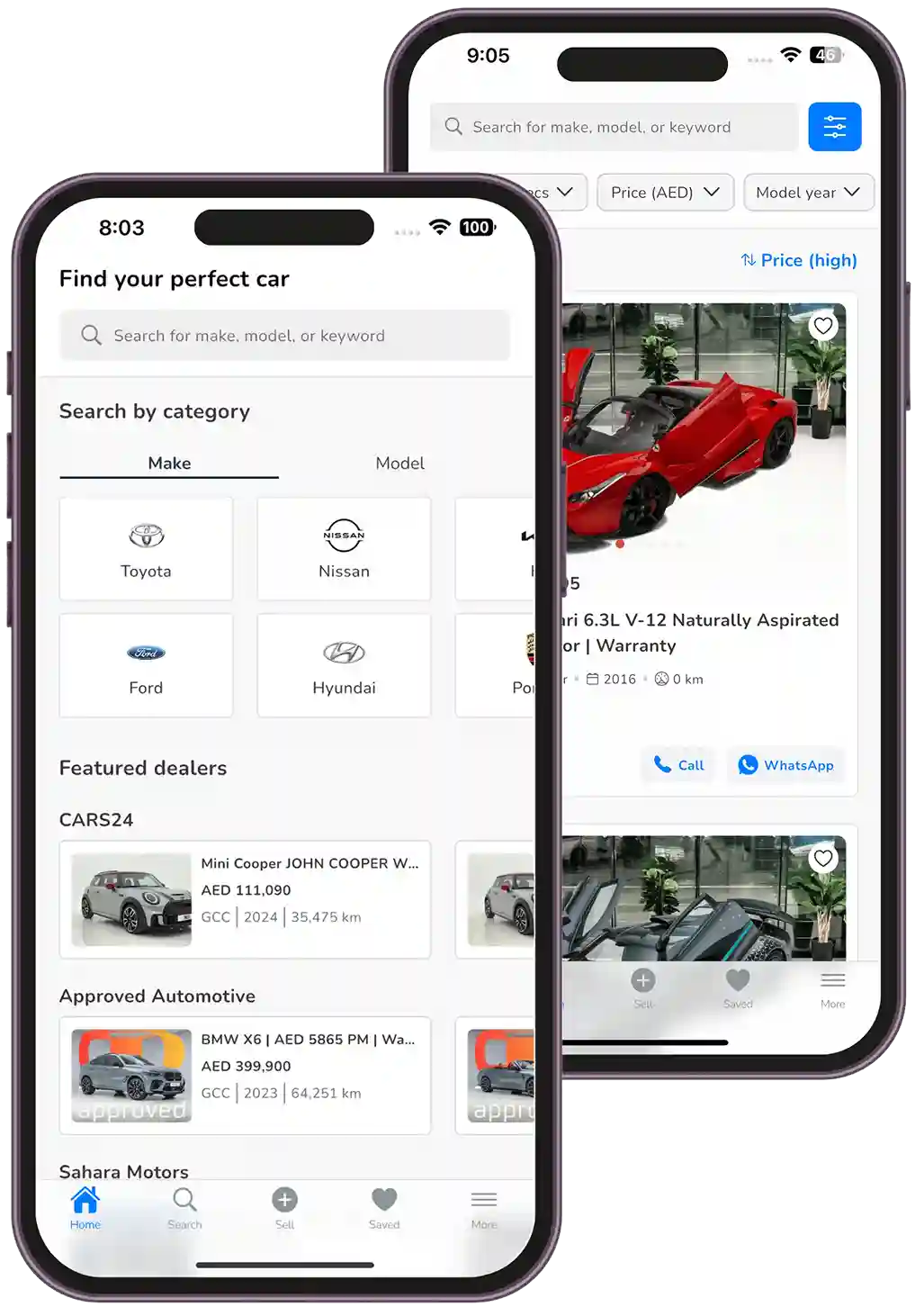
Dubicars app on mobile