
Why Car Prices in the UAE May Start to Change in 2026
 July 10, 2026
, 6 Min Read
July 10, 2026
, 6 Min Read
The UAE car market has stayed resilient through the March-April 2026 disruption, but resilience does not guarantee lower prices. Demand is recovering, supply risks are building, and the next phase could bring rising prices across key segments.
 AI Quick Summary
The UAE car market displayed strong resilience during the March-April 2026 disruption, unlike the full lockdowns of COVID-19, as buyers remained active and showrooms open. This sustained demand, coupled with potential tightening supply due to shipping challenges and looming global semiconductor shortages, is expected to drive car prices upward across various segments, particularly for popular used cars.
This summary was generated by AI using this article’s content.Read Next



The UAE automotive market has seen disruption before. During COVID-19, lockdowns restricted movement, dealerships faced interruptions, transactions slowed sharply, and global supply chains were heavily strained.
The 2026 crisis also created pressure, but the mechanics are very different. Buyers could still shop, showrooms were open, transactions were active, and cars continued to change hands daily. That distinction matters: closed markets often freeze, but active markets usually reprice.
Why Does An Active Market Push Prices Up?
When buyers disappear, sellers often cut prices to generate activity. When buyers remain active, and future supply becomes less certain, sellers tend to hold firm. That is precisely what the market is witnessing right now.
Average listing prices have stayed steady or moved upward in the last couple of months, while dealers have largely avoided panic discounting. Inventory remains available today, but replacing sold stock may become more complex depending on shipping routes, sourcing timelines, and manufacturer output. If incoming supply tightens while buyers stay engaged, prices usually begin to rise quietly before many people notice.
Another factor worth watching is the global semiconductor supply chain. Modern cars rely on chips for safety systems, infotainment, engine management, sensors, and battery controls. If chip availability tightens again in 2026, new-car production and delivery timelines could come under pressure.
Are New Cars And Used Cars Both Affected By The 2026 Crisis?
Yes, but in different ways. New car demand fell by 33.7% in the first week of the 2026 crisis. During COVID, that same figure was 56.5%. The smaller decline reflects an obvious advantage: showrooms remained open, buyers could still visit, and transactions remained possible.
Used cars show even stronger resilience. Recovery to older average demand levels reached 65.2% in the 2026 crisis, compared with 52.2% during COVID over a similar stage. When buyers want immediate delivery, no factory wait time, and clearer pricing, the used market becomes the natural destination. For many motorists, driving home this week beats waiting months for a production slot.
Industry analysts have already flagged fresh risks around memory chips and automotive electronics this year, driven partly by rising global demand from AI infrastructure and data centres. If manufacturers face component delays or higher costs, fewer new cars may reach markets on time.
Could A Chip Shortage Affect UAE Car Prices Too?
Modern vehicles rely on semiconductors for everything from engine management and safety systems to touchscreens, driver assistance tech, and battery control systems. Industry analysts have already flagged fresh chip supply risks for 2026, particularly around DRAM memory and automotive electronics, as AI data centres consume more global semiconductor capacity.
S&P Global Mobility has warned that memory shortages and supply bottlenecks remain a live risk this year. If manufacturers face higher chip costs or slower component supply, production timelines can stretch, and some new-car deliveries may tighten. When that happens, many buyers shift to the used market where stock is available immediately. That additional demand can place upward pressure on used car prices in markets like the UAE.
Why Is The 2026 Crisis Different From COVID?
The first 31 days of both crises tell a clear story.
The COVID story: During the first week of COVID in March 2020, car demand dropped by 59.5%. On day three, demand effectively hit zero during full lockdown conditions. There were three zero-demand days where the market completely stopped.
The 2026 crisis: In the first week of March 2026, demand declined by 34.9%. That still carries some weight, but is materially less severe. There have been no zero-demand days at all. Even the softest point of the current crisis, recorded on day 19 during Eid Al Fitr, still delivered demand levels much higher than COVID’s lowest point. This market slowed down but did not shut down.
The Price Segments That Are Recovering Best
Recovery is not limited to one type of buyer. Between days 25 and 31 of the current crisis, several price brackets rebounded faster than they did during COVID:
- AED 50,000 & Below recovered by 50% vs 41%
- AED 50,001 to AED 150,000 recovered by 55% vs 54%
- AED 150,001 to AED 300,000 recovered by 74% vs 71%
- AED 450,001 to AED 600,000 recovered by 78% vs 69%
That spread is important. Budget commuters, family buyers, mid-market shoppers, and premium customers all continued to observe and are returning to the market. This is broad-based demand, not a one-category spike.
How Fast Could The Market Recover?
During COVID, the market took 67 days to stabilise on a moving average basis for lead generation. After the 2026 crisis, the market recovered sooner. Why? There were no lockdowns, no road closures, and no system-wide logistics freeze. Recovery in 2026 depends largely on sentiment improving rather than physical restrictions being removed.
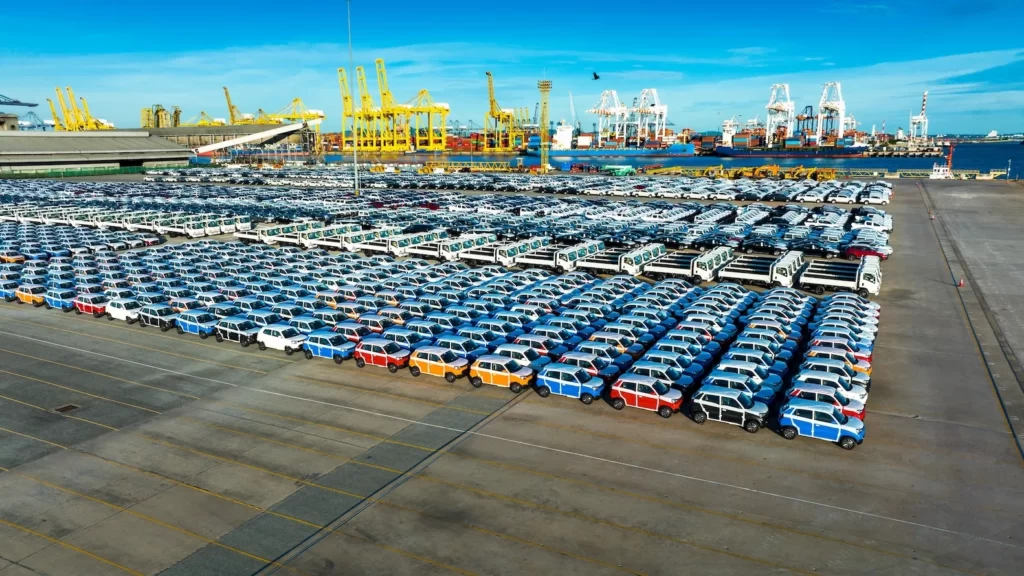
Even during the Eid holiday period, the market showed a consistent upward trend in demand. That is a healthy sign for market momentum. It is also a signal that pricing pressure can build faster than expected.
Car Prices Increase: Which Cars Could Rise First?
Popular, easy-to-sell models usually react first. That includes reliable Japanese SUVs, family sedans, affordable commuter cars, pickups, and clean, low-mileage, premium stock. These are the vehicles buyers search for repeatedly and move quickly on, once confidence returns. Anyone who watched the UAE market in 2021 and 2022 knows how quickly hesitation became expensive.
Should Buyers Wait Or Act Now?
If you are searching for a car with no clear need at the moment, but are looking for something in the near or mid-term future, the prices you see today might not remain. If you already know your budget and preferred segment and have shortlisted a few cars, delaying your purchase could mean fewer choices or higher prices.

The market currently offers a strong selection, with over 27,000 cars listed on DubiCars across multiple categories and price points. Smart buying is rarely about panic. It is about timing. Right now, buyers still have a choice before pressure fully builds.
Thoughts On Car Prices Rising In The UAE
The UAE car market remains functional, active, and more resilient than many expected. Demand is recovering, sellers are holding confidence, and supply conditions remain uncertain. Potential supply headwinds, including semiconductor constraints and shipping disruption, add another layer to the pricing outlook.
Those ingredients often lead to one outcome: prices begin moving before the wider market realises it. If you are planning to buy, this may be the smartest moment to act with logic rather than wait and pay more later. Don’t Wait. Buy Smart.
Browse through over 27,000 listings and find the best cars for sale in the UAE.
Stay tuned to the UAE’s most popular auto blog for more automotive content.
Follow us on

Recent Stories

Abu Dhabi Grand Prix 2026 Guide: Dates, Tickets, Concerts And Getting To Yas Marina Circuit
The Formula 1 Etihad Airways Abu Dhabi Grand Prix runs from 3 to 6 December 2026 at Yas Marina Circuit,...
Used Toyota Prado Buying Guide: Problems, Best Years And Prices In The UAE
The best used Toyota Prado for most UAE buyers is a 2016-2023 GCC-spec J150 with the 4.0 V6 and a...

The Dubai Luxury Car Rental Guide For Tourists Who Actually Want to Drive Something Interesting
Most guides to luxury car rental Dubai tell you the same things. Smooth roads. Great value compared to Europe. Book...
Used Car Inspection In The UAE: Warning Signs Before You Buy
Buying a used car in the UAE can save you a considerable amount of money, especially when compared to purchasing...
New Chinese SUV Or Used Japanese SUV For The Same Money
Imagine having AED 100,000 to spend on an SUV in the UAE. You could drive home in a brand-new Chinese...

Who Is Dubi? The DubiCars Way Forward
A first car. A family upgrade. A weekend toy that requires a slightly creative explanation at home. Every car search...