
Why Tyres Fail More Often During Summer In The UAE
 June 22, 2026
, 4 Min Read
June 22, 2026
, 4 Min Read
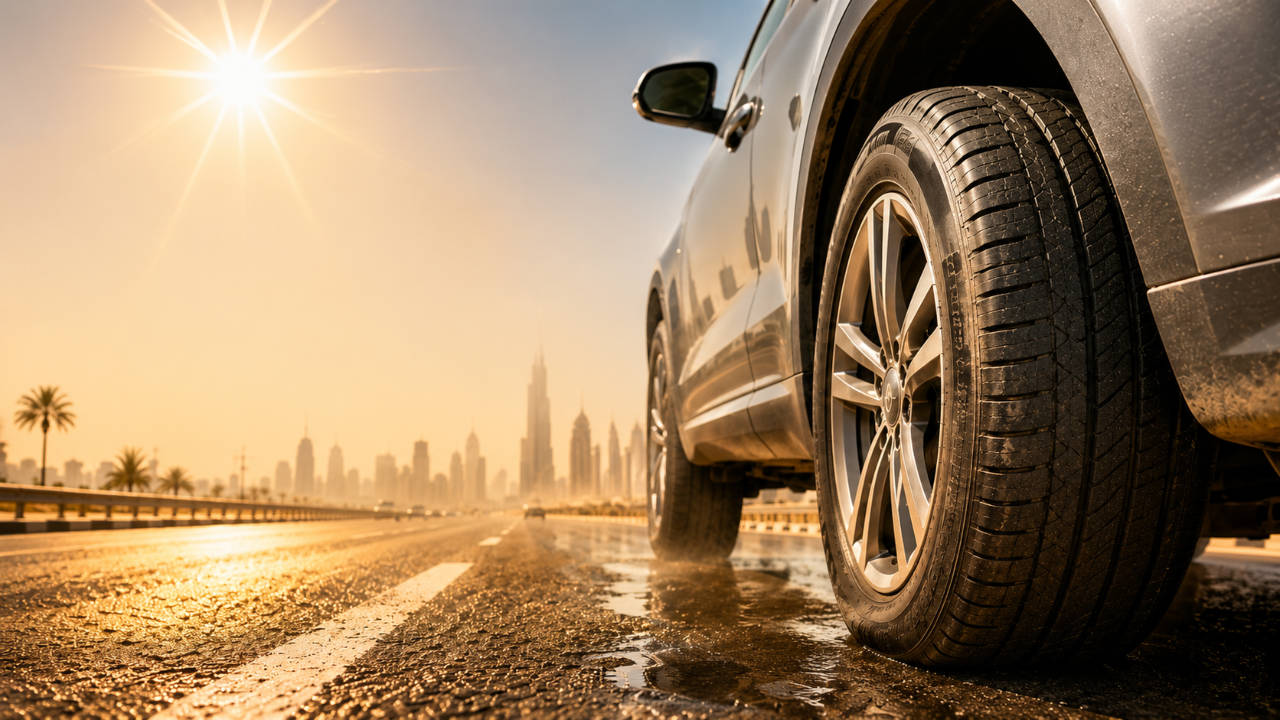
Tyres fail more often during summer because heat increases the stress on the rubber, air pressure, and the tyre’s internal structure. In the UAE, this risk is higher due to extreme temperatures, hot asphalt, long highway drives, heavy vehicle loads, and off-road driving.
 AI Quick Summary
Tyres fail more often in summer because heat significantly increases stress on the rubber and internal pressure, a risk exacerbated in the UAE by extreme temperatures, hot asphalt, and factors like underinflation or old tyres. These conditions can turn minor issues into serious safety risks, leading to blowouts. To prevent such failures, drivers must perform regular cold tyre pressure checks according to manufacturer recommendations, visually inspect tyres for damage, and replace them when necessary.
This summary was generated by AI using this article’s content.Read Next



A tyre blowout usually occurs when an existing problem worsens. This could be low pressure, old rubber, cracks, overloading or damage that has been ignored. Here’s everything you need to know about car tyres.
Quick Answer: Why Do Tyres Fail In Summer?
Tyres fail more often in summer because hot roads heat the tyre, increase pressure and weaken the rubber. If the tyre is underinflated, overloaded, old, or damaged, the risk of a blowout increases significantly.
Main Reasons Tyres Fail in the UAE Summer
- Hot asphalt: Road surfaces can become much hotter than the air temperature, especially in the afternoon.
- Underinflation: Low tyre pressure makes the sidewalls flex more, creating extra heat inside the tyre.
- Overinflation: Too much pressure can reduce grip and increase tyre stress.
- Old tyres: Heat speeds up rubber ageing, leading to cracks, hardening, and weak spots.
- Overloading: Extra weight puts more pressure on each tyre, increasing heat build-up.
- High-speed driving: Long highway drives keep tyres hot for longer.
- Off-road use: Tyres deflated for desert driving can fail if they are not reinflated before returning to tarmac.
How Heat Damages Tyres
Tyres are made from rubber, steel belts, fabric layers and bonding materials. These parts are built to withstand pressure and friction, but prolonged exposure to heat weakens them over time.
In UAE summer conditions, tyres heat up from both inside and outside. The road heats the rubber from below, while speed and tyre flexing create internal heat. This can lead to cracks, tread separation or a sudden blowout.
Warning Signs To Check
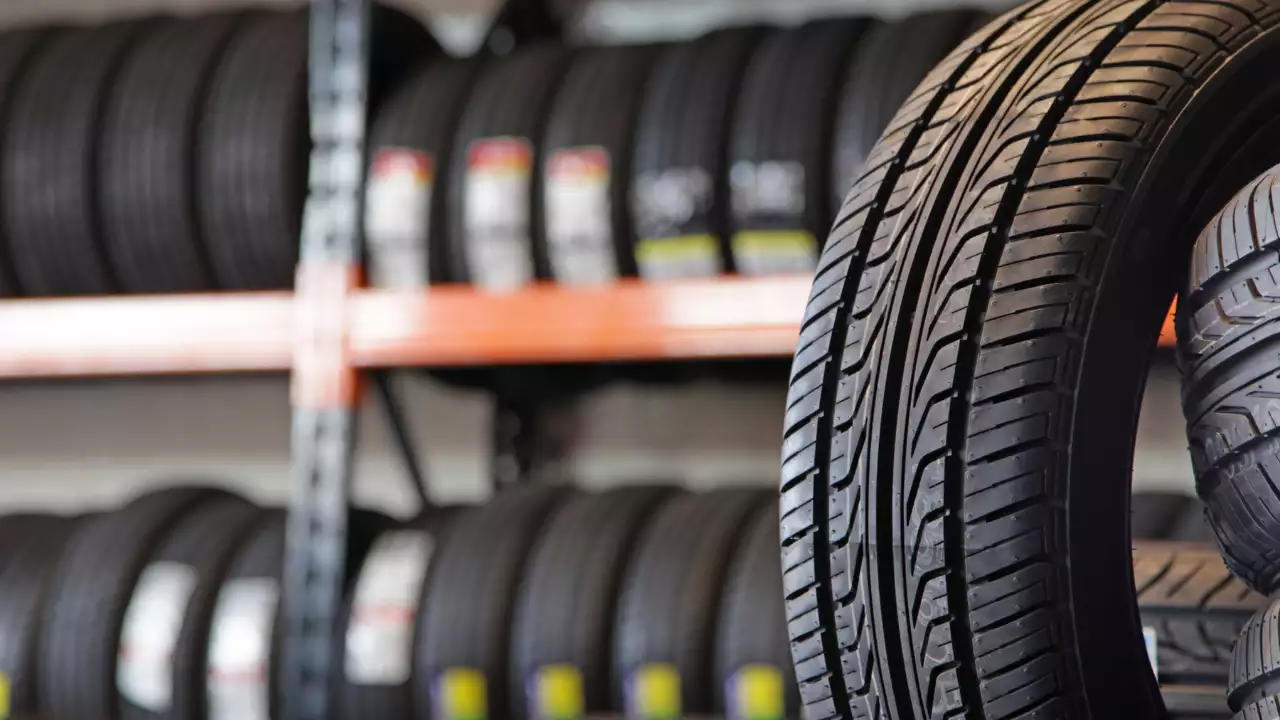
Drivers should inspect their tyres often during the summer. Look for:
- Cracks on the sidewall
- Bulges or bubbles
- Uneven tread wear
- Low tread depth
- Cuts or exposed cords
- Frequent air pressure loss
- Vibration at speed
- The car is pulling to one side
A sidewall bulge is a serious warning sign. It usually means the tyre’s internal structure is damaged, and the tyre should be replaced. If you are thinking about how to choose the right tyre for your car, here is a detailed guide.
How To Prevent Tyre Failure
Check tyre pressure at least once every two weeks and before long drives. Always check when the tyres are cold, preferably before driving in the morning.
Use the pressure recommended by the car manufacturer, not the maximum figure written on the tyre. Also, avoid overloading the car, reduce harsh braking, and reinflate tyres after desert driving.
Replace old tyres that are cracked, worn, or damaged. A tyre may still have visible tread but may not be safe if the rubber has aged badly.
What To Do If A Tyre Bursts
If a tyre bursts while driving, do not slam the brakes. Hold the steering wheel firmly, keep the car straight and ease off the accelerator slowly.
Move to a safe area, switch on the hazard lights and stay away from traffic. On a busy UAE highway, it is safer to call roadside assistance.
Tyre Burst During UAE Summer
Tyres fail more often during summer because the heat turns small tyre problems into serious safety risks. In the UAE, regular tyre pressure checks, visual inspections and timely replacement are essential for safer summer driving.
Find the best used cars for sale in the UAE.
Stay tuned to the UAE’s most popular auto blog for more information about the latest happenings in all of the Emirates.
FAQs
Why do tyres fail more often in summer?
Tyres fail more often in summer because heat increases pressure, weakens rubber and makes existing issues like cracks, underinflation or overloading more dangerous.
Can hot weather cause a tyre blowout?
Yes, hot weather can increase the risk of a tyre blowout, especially if the tyre is old, damaged, underinflated, overloaded or driven at high speed.
Should tyre pressure be lower in summer?
No. Tyre pressure should be set to the car manufacturer’s recommended level. Always check it when the tyres are cold, preferably before driving in the morning.
How often should I check tyre pressure in the UAE summer?
Check tyre pressure at least once every two weeks and before long drives. UAE summer heat underscores the importance of correct tyre pressure for safety.
What should I do if a tyre bursts while driving?
Hold the steering firmly, avoid hard braking, ease off the accelerator slowly, move to a safe area and switch on the hazard lights.
Follow us on

Recent Stories
Can You Own An EV In Dubai Without Home Charging?
Electric cars are becoming easier to own in Dubai thanks to longer ranges and a growing charging network. But can...
Complete Guide On How To Place Requests With RTA In Dubai
Dubai’s Roads and Transport Authority (RTA) manages roads, public transport, vehicle and driving services across the emirate. Residents and visitors...
How To Get The Best Car Loan Interest Rate In The UAE For Used & New Cars
Getting the lowest possible car loan rate in the UAE is not just about finding the bank advertising the smallest...
Is It Safe To Sleep In A Car? Risks and Safety Tips
Long drives, road trips and late-night journeys can leave drivers feeling exhausted. In those situations, pulling over for a short...
A Complete Guide To RTA Bus On-Demand Service In Dubai
Dubai’s public transport network continues to expand, and the RTA Bus On Demand service is becoming an increasingly useful option...

Top 10 Cars To Rent In The UAE
Renting a car is one of the easiest ways to travel across the UAE. From affordable daily commuters to luxury...