
Is DC Fast Charging Bad For Your EV Battery? Complete EV Charging Guide
 August 14, 2026
, 5 Min Read
August 14, 2026
, 5 Min Read
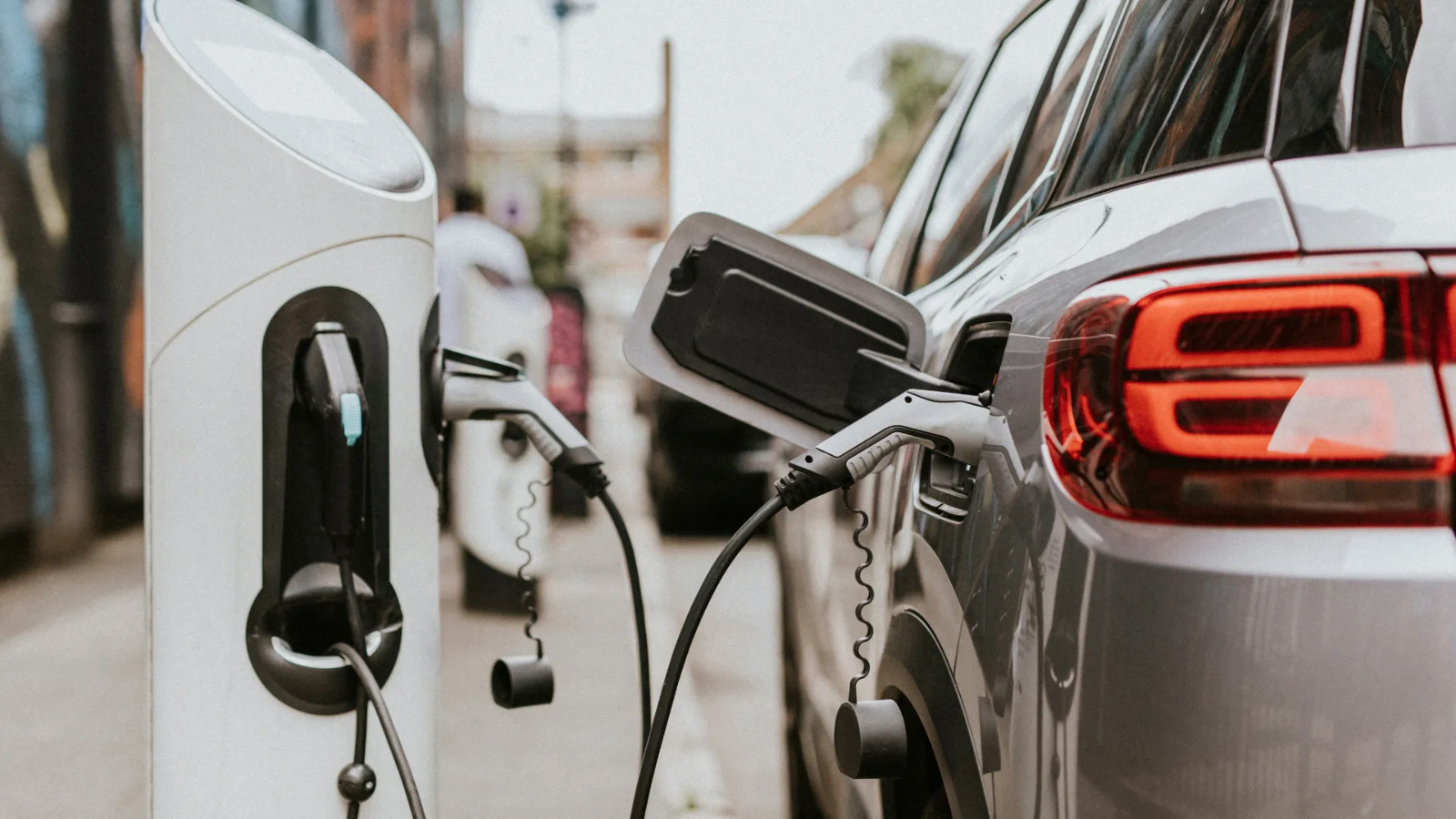
DC fast charging makes electric cars easier to use. It lets drivers add useful range during a short stop instead of waiting several hours at an AC charger. But does frequent fast charging damage the battery?
 AI Quick Summary
DC fast charging can increase battery wear, especially with frequent use, in extreme heat, or when charging repeatedly to 100%. However, modern electric vehicles use advanced cooling and battery management software to mitigate this, making occasional fast charging generally safe. For optimal battery longevity, it's recommended to use AC charging for daily needs and limit DC fast charging sessions to around 80%.
This summary was generated by AI using this article’s content.Read Next

The answer is that DC fast charging can increase battery wear, but occasional use is unlikely to cause serious damage. Modern EVs use cooling systems and battery-management software to control charging power and temperature. The risk increases when fast charging is combined with extreme heat, repeated charging to 100% and heavy daily use.
What Is DC Fast Charging?
EV batteries store direct current, or DC, electricity. Home chargers usually supply alternating current (AC), which the car must convert before it can be stored. Here is a detailed guide on charging for the EV.
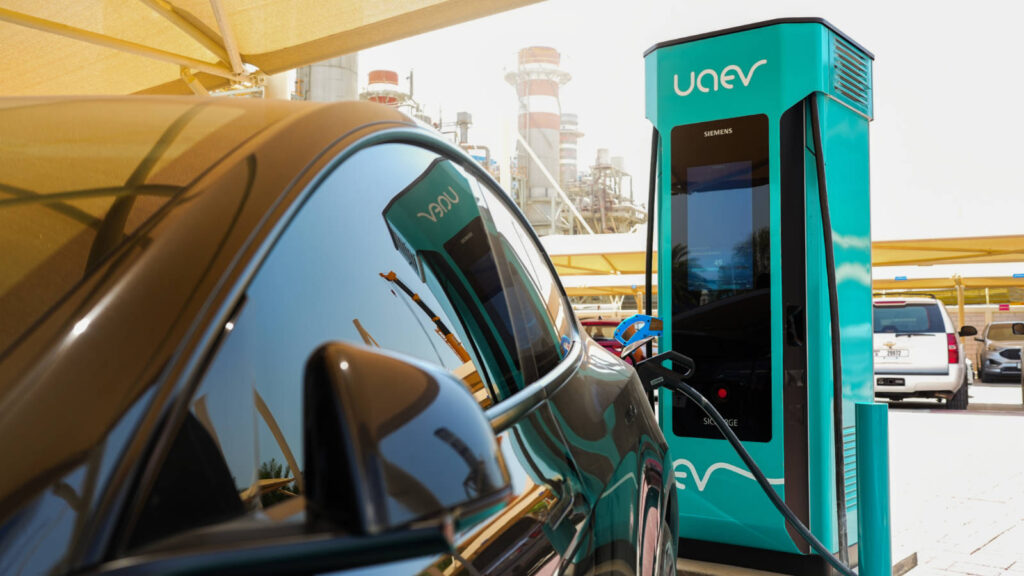
A DC charger delivers electricity directly to the battery, enabling much faster charging. Home AC chargers commonly provide 7kW to 11kW, while public DC chargers can range from around 50kW to 350kW.
Connecting an EV to a 350kW charger does not mean it will receive the full 350kW. The car decides how much power the battery can safely accept.
Does Fast Charging Damage The Battery?
A single fast-charging session will not noticeably reduce battery life. However, frequent high-power charging can create more heat than slower AC charging.
Heat speeds up chemical reactions inside the battery. Over time, these reactions reduce the amount of energy it can store.
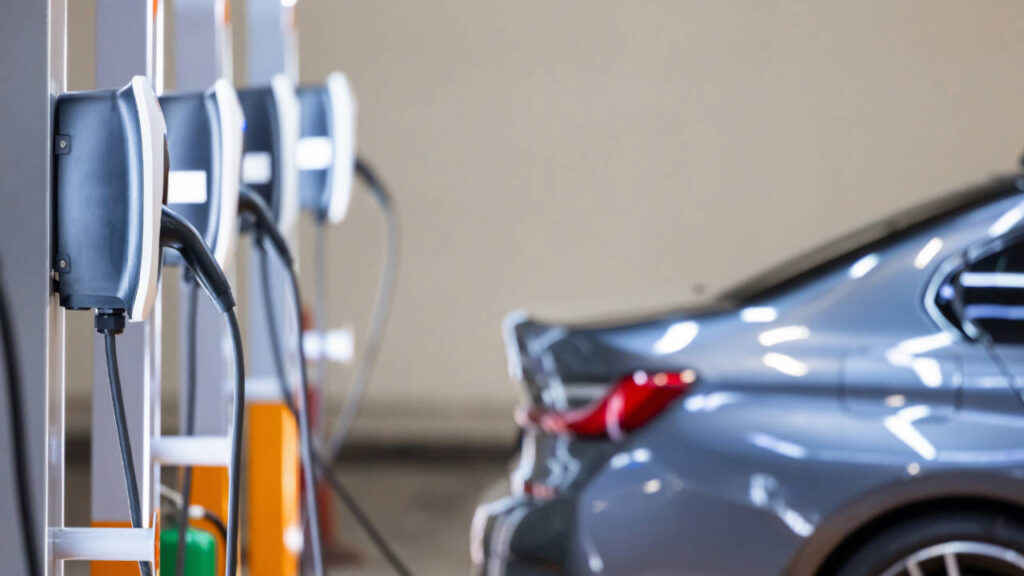
Battery wear depends on:
- Battery chemistry
- Cooling system
- Charging speed
- Outside temperature
- Battery level before and after charging
A modern liquid-cooled EV will usually handle repeated fast charging better than an older model with limited battery cooling.
Why Can Fast Charging Increase Wear?
Fast charging delivers a large amount of current to the battery in a short period. This creates heat inside the cells. Modern EVs use liquid cooling and software-controlled charging curves to manage it.
A battery also becomes harder to charge as it approaches full capacity. This is why charging speeds usually fall after 70% or 80%. Regularly fast-charging to 100% places more stress on the battery than charging to around 80% and stopping.
Cold batteries can also suffer from lithium plating if they receive energy too quickly. Battery preconditioning lowers this risk by preparing the battery before charging.
Is Fast Charging Worse In The UAE?
The UAE’s high summer temperatures can add extra stress. An EV parked in direct sunlight may already have a hot battery before charging begins.
Battery temperature can rise further after motorway driving, heavy traffic or repeated fast-charging sessions.
Modern EVs automatically reduce charging power if the battery gets too hot. A slower charging rate in summer does not always mean the charger is faulty. The vehicle may simply be protecting its battery.
Where possible, use covered charging stations or shaded parking during the hottest part of the day.
Is Charging To 100% Bad?
Charging to 100% is not automatically harmful. It is useful before a long journey when maximum range is needed. The bigger concern is leaving the car parked at 100% for many hours or days, especially in hot weather.
For daily driving, many manufacturers recommend a limit of 80% or 90%. Some EVs with lithium iron phosphate, or LFP, batteries may require regular full charging to keep the range estimate accurate. Owners should follow the advice shown by the car or listed in the owner’s manual.
Should You Stop Fast Charging At 80%?
Stopping at around 80% is usually the quickest and most practical choice. Most EVs charge fastest when the battery is low, then slow down as it fills. Charging from 80% to 100% can therefore take much longer than expected.
Stopping at 80% reduces waiting time, lowers battery stress and improves road-trip efficiency. Charging beyond 80% still makes sense when the next station is far away.
How To Protect Your EV Battery
- Use AC charging for routine needs.
- Use the car’s navigation system to activate battery preconditioning.
- Drive soon after charging to 100%.
- Avoid leaving the battery near empty or full for long periods.
- Avoid repeated back-to-back fast-charging sessions.
- Follow the manufacturer’s recommended charge limit.
Occasional drops below 20% or reaching 100% are unlikely to cause major damage. Long periods at very low or high charge levels are more concerning.
Is DC Fast Charging Bad For Your EV Battery?
DC fast charging can increase battery degradation when used frequently, especially at high power, in extreme heat or when charging close to 100%.
However, occasional fast charging is unlikely to seriously harm a modern EV battery. Most new electric cars use advanced cooling systems and battery-management software to protect the cells.
For UAE drivers, the best approach is simple: use AC charging for everyday needs, stop DC sessions at around 80% when possible and avoid leaving the car fully charged in summer heat.
Find the best used cars for sale in the UAE.
Stay tuned to UAE’s most popular auto blog for more information about the latest happenings in all of the Emirates.
Follow us on

Recent Stories

The Dubai Luxury Car Rental Guide For Tourists Who Actually Want to Drive Something Interesting
Most guides to luxury car rental Dubai tell you the same things. Smooth roads. Great value compared to Europe. Book...
Used Car Inspection In The UAE: Warning Signs Before You Buy
Buying a used car in the UAE can save you a considerable amount of money, especially when compared to purchasing...
Top 10 Best REEV Cars In The UAE In 2026
Electric cars are becoming increasingly popular in the UAE, but not everyone wants to depend entirely on charging stations. Long...
New Lexus RZ500e Launched In The UAE: First Lexus Electric SUV Arrives
Lexus has launched the new RZ500e electric SUV in the UAE, bringing its first fully electric models to the country....
New Chinese SUV Or Used Japanese SUV For The Same Money
Imagine having AED 100,000 to spend on an SUV in the UAE. You could drive home in a brand-new Chinese...

Who Is Dubi? The DubiCars Way Forward
A first car. A family upgrade. A weekend toy that requires a slightly creative explanation at home. Every car search...