
Why Are Fuel Prices Rising & What Should You Do About It?
 April 27, 2026
, 5 Min Read
April 27, 2026
, 5 Min Read
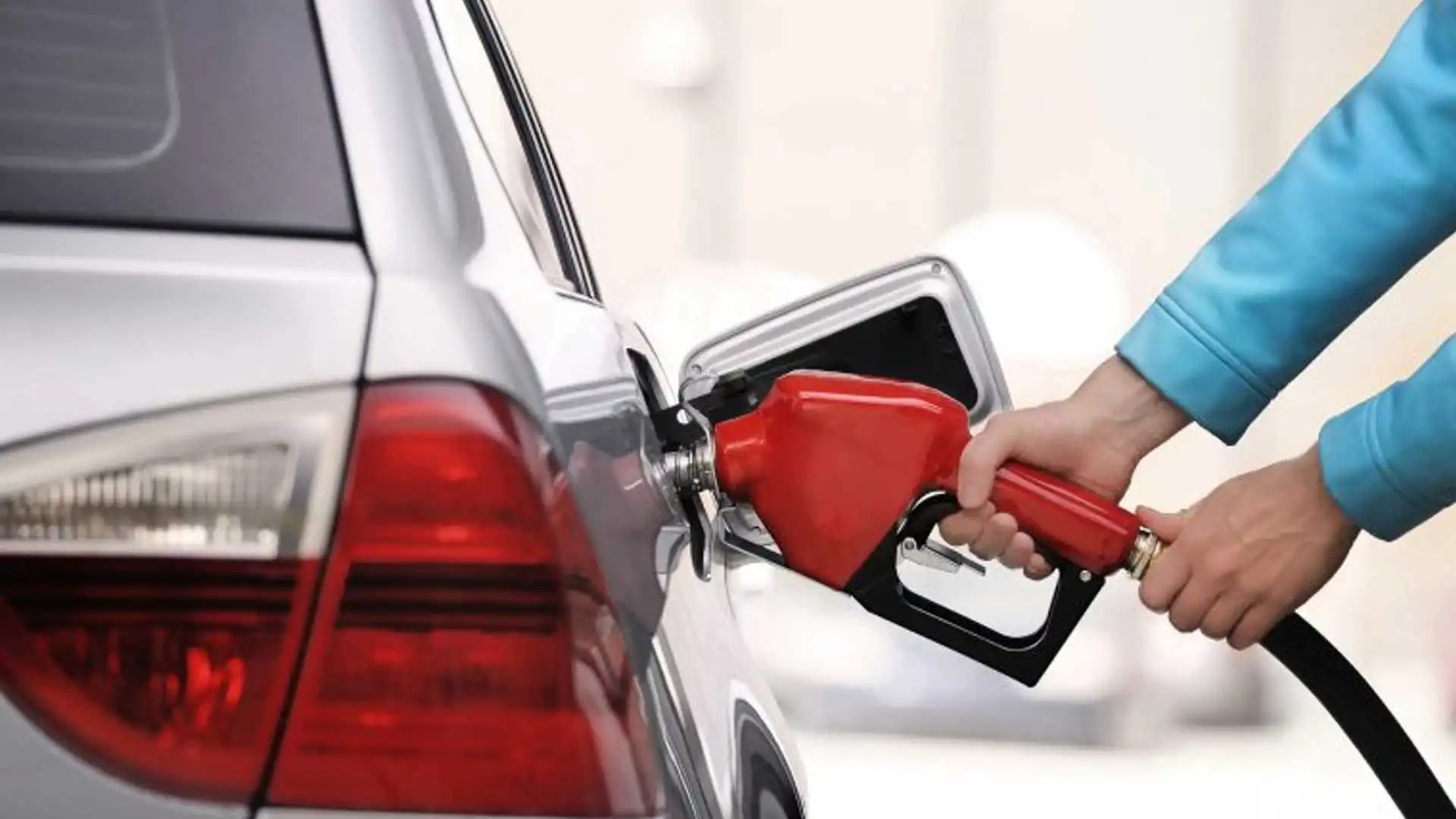
Fuel prices in the UAE are climbing again. Super 98 now costs AED 3.39 per litre, and that increase shows up significantly on your wallet. For many drivers, the difference is no longer subtle. A full tank today costs noticeably more than it did just a month ago. Fuel prices don’t move randomly. They follow global oil trends, supply decisions, and demand cycles. Right now, all three are pushing in the same direction: upwards.
 AI Quick Summary
Fuel prices in the UAE are rising significantly, primarily due to increases in global crude oil prices, which are influenced by supply cuts, geopolitical tensions, and strong demand. Since 2015, UAE fuel prices have been liberalized to align with international markets, meaning global volatility directly impacts local pump prices. Despite these increases, fuel in the UAE remains relatively affordable compared to many other major countries worldwide.
This summary was generated by AI using this article’s content.Read Next


Why Are Fuel Prices Increasing In The UAE?
Fuel prices in the UAE are tied to international crude oil prices. When oil prices increase globally, fuel prices in the UAE follow. Crude oil jumped from AED 67.02 per barrel on February 27 to USD 112.63 per barrel on April 07. This steady increase in crude oil prices in March 2026 eventually led to fuel prices increasing.
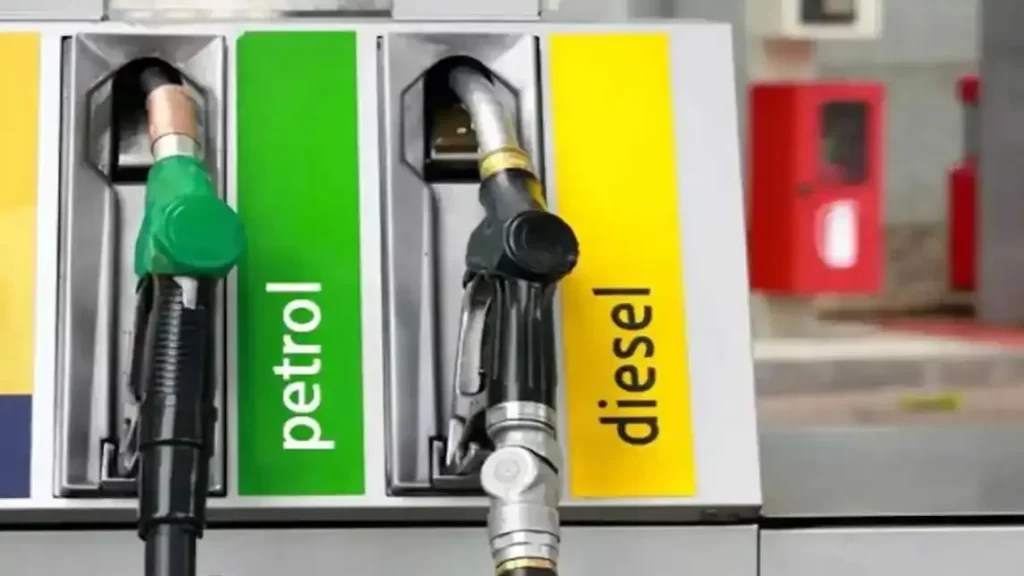
Supply cuts, geopolitical tensions, and rising global demand all push oil prices upward. Refining, shipping, and distribution costs are then added before fuel reaches the pump in the UAE.
Why Did Prices Jump So Much In April 2026?
April’s increase was driven mainly by the ongoing crisis in the Middle East, which pushed global oil prices higher. The key concern was disruption to supply routes and the risk to shipments through the Strait of Hormuz. This shipping lane handles over 20% of the world’s oil movement.
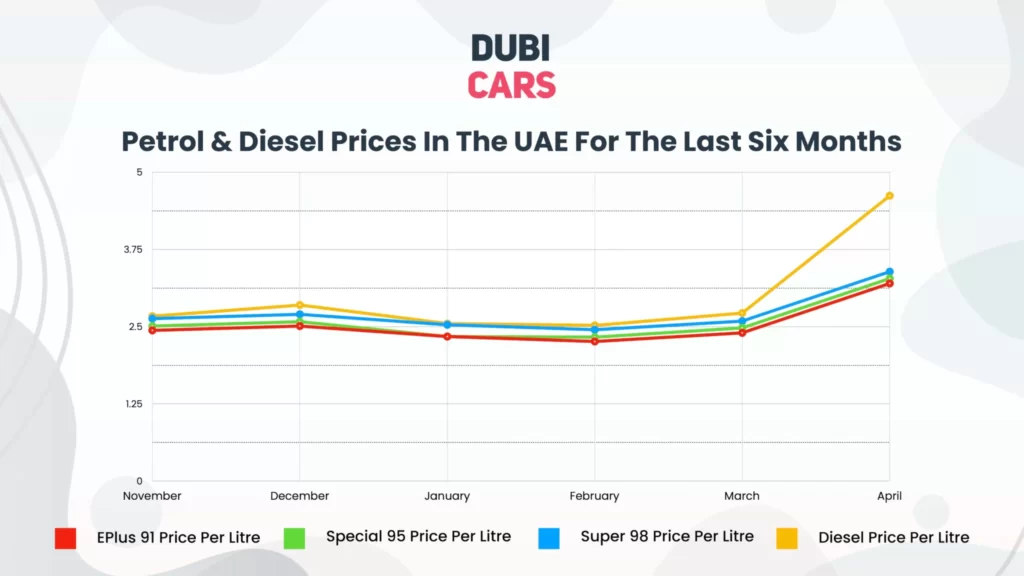
Even the possibility of disruption was enough to tighten global supply and push prices upward. Oil markets react quickly to risk, not just actual shortages. Because UAE fuel prices are linked to global benchmarks, the impact was felt locally at the pump.
Will Fuel Prices Continue To Rise?
Fuel prices rarely move in a straight line. Short to medium-term fluctuations are expected. The ceasefire has been announced, but it will still take a few days for the oil to actually flow as required. Hence, the current environment points toward continued volatility.
Supply remains controlled, and yet global demand is still strong. Even small disruptions can influence prices. Stability depends on factors that are difficult to predict. Yet, on the whole, it does look like an uphill journey for a couple of months.
Are Local Factors In The UAE Also Responsible For Price Hikes?
Local policy determines how quickly global changes are reflected in prices. Before 2015, the government highly subsidized fuel prices. This protected prices from fluctuating. However, in September 2015, it was liberalized to align with global oil prices. Now, with global crude oil prices increasing due to the ongoing crisis, fuel prices too have gone up.
The Fuel Price Committee decides fuel prices in the UAE, and we can expect more changes over the next few months. This approach keeps pricing aligned with international markets. But the monthly price change also means increases are reflected with some delay.
For example, several countries saw fuel price hikes within a day of the current global geopolitical crisis beginning on February 28. However, in the UAE, the price increase came only a month later, in April.
How Do Global Oil Prices Affect What You Pay?
Every litre of fuel starts as crude oil. Once crude prices rise, that cost flows through the entire system. Refineries pay more to process oil. Logistics costs increase. Distributors pass those costs forward.
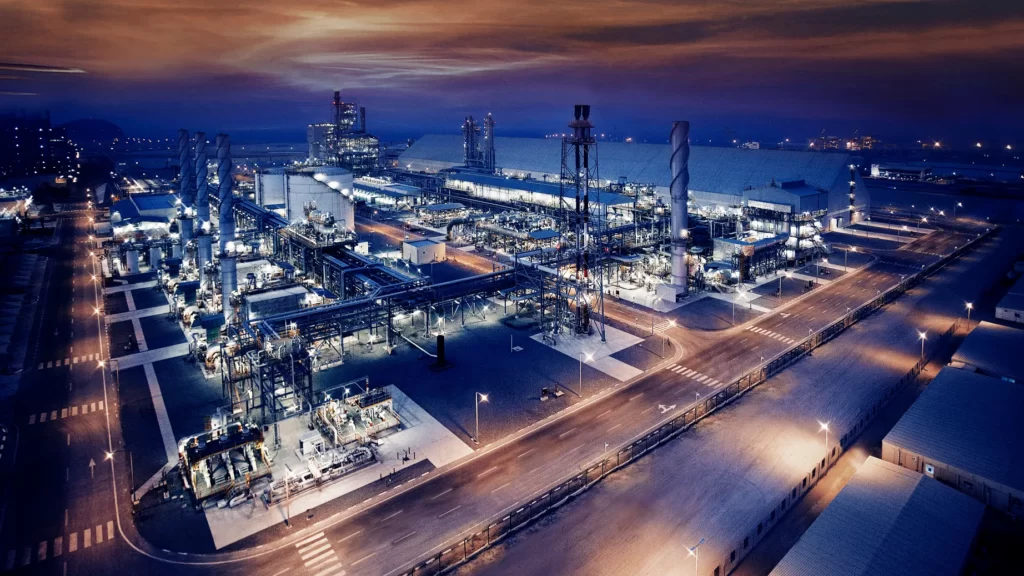
- OPEC+ production cuts reduce the available supply
- Global conflicts disrupt supply chains
- Demand rises during economic recovery cycles
The result is simple. When oil prices rise globally, fuel prices increase locally.
What Role Does OPEC+ Play In Fuel Prices?
The Organization of the Petroleum Exporting Countries (OPEC+) controls a large portion of global oil supply, and the UAE is part of this group. When production levels are reduced, supply tightens. When supply tightens, prices increase.
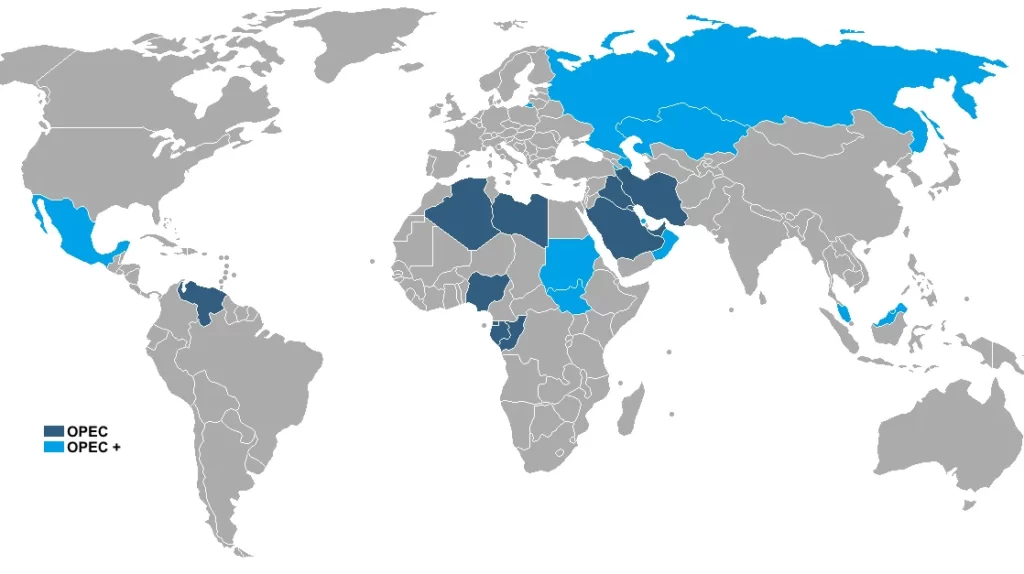
As a result of shipping through the Hormuz Strait coming to a halt in April 2026, OPEC+ decided to reduce production of oil. These decisions are strategic, but the outcome is straightforward for consumers. Less oil in the market and an increase in shipping costs lead to higher fuel prices.
Are Fuel Prices Rising Globally Or Just In The UAE?
Fuel price increases are not limited to the UAE. This is a global trend at the moment. Across major markets, fuel prices are currently significantly higher than what drivers pay in the UAE. Some of these countries started bumping up fuel prices immediately after the crisis struck global oil shipping.
April 2026 Fuel Prices Globally:
- UAE: AED 3.2
- USA: AED 4.02
- China: AED 4.92
- UK: AED 7.72
- Norway: AED 7.68
- France: AED 8.62
- Germany: AED 9.61
These are prices per litre in AED, converted from their respective currencies for ease of understanding. Even after the recent increase, fuel in the UAE remains relatively affordable compared to Europe, America, and parts of Asia.
The difference comes down to taxation, subsidies, shipping costs, and energy policies in each country. The increase feels sharp locally, but globally, the UAE is still on the lower end of the spectrum.
Find the best cars for sale in the UAE.
Stay tuned to the UAE’s most popular auto blog for more automotive content.
Follow us on

Recent Stories

Who Is Dubi? The DubiCars Way Forward
A first car. A family upgrade. A weekend toy that requires a slightly creative explanation at home. Every car search...

Used Nissan Patrol Buying Guide: What To Check Before Paying
Few used SUVs have as much appeal in the UAE as the Nissan Patrol. Whether it is an old-school Y60,...
What Do High Fuel Prices Mean For Car Buyers In The UAE?
Fuel prices are rising in the UAE and across other global markets. But fuel price increases don’t instantly change car...

UAE Petrol Prices October 2026: How Much Does A Full Tank Cost?
Petrol prices in the UAE have jumped sharply for October 2026, putting the cost of filling up firmly back in...
Petrol Prices Rise In The UAE: Why Costs Increased And How To Save On Fuel
Fuel prices in the UAE have seen a sharp rise in October 2026, placing added pressure on everyday drivers. With...
UAE Petrol Prices Increase: Should You Buy An EV Or Hybrid In 2026?
Fuel prices are climbing once again, and with every increase, the same pattern emerges. People don’t complain much about the...