
Geely Takes 30% Stake In Nio Power: Battery Swap Tech Pushes Rivals Towards Shared Infrastructure
 September 29, 2026
, 5 Min Read
September 29, 2026
, 5 Min Read
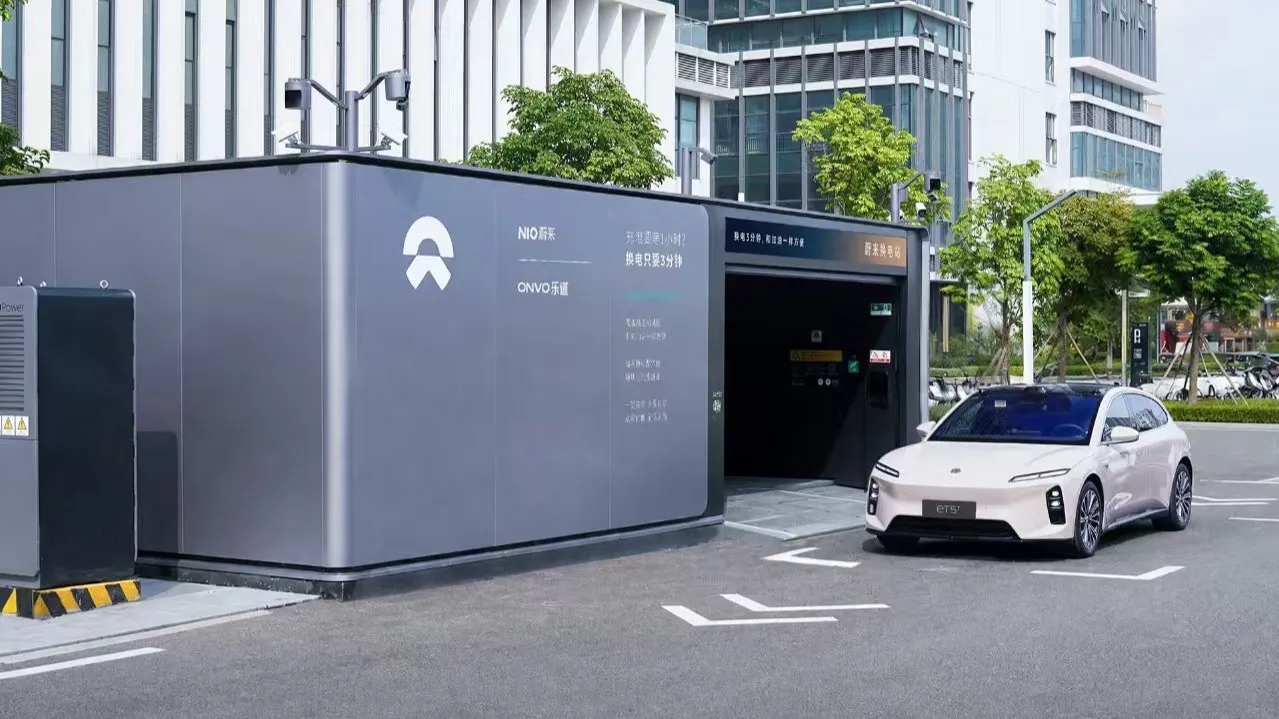
Geely Holding Group is buying a 30% stake in Nio Power, the battery-swapping and charging business of rival EV maker Nio. The deal, announced on 28 September 2026, values Nio Power at roughly $2.4 billion (AED 8.81 billion) after the investment and turns an earlier technical cooperation into full capital and operational integration.
 AI Quick Summary
Geely Holding Group has acquired a 30% stake in Nio Power, Nio's battery-swapping and charging business, while Nio simultaneously took a 10% stake in Geely's charging company. This strategic partnership aims to integrate their networks, share technology, and establish battery swapping as a shared industry infrastructure, ultimately reducing duplicate investment and making the technology more viable for broader EV adoption.
This summary was generated by AI using this article’s content.Read Next


Geely will contribute its entire equity in Yiyi Power, which is its commercial-fleet battery-swap subsidiary, plus $95.37 million (AED 350 million) in cash. In return it receives a 30% stake. Nio China retains majority control at approximately 63.6%, with an existing financial investor holding the remaining minority.
On the other hand, Nio is taking a 10% stake in Geely’s smart-charging company, Haohan Energy. The two sides will connect their charging networks, share technology and standards, and jointly expand service coverage. Geely also receives an option to invest a further $95.37 million (AED 350 million) later, which could raise its holding to around 34%. With this deal, things got a lot more interesting in the EV charging and battery swapping world.
What Do Geely & Nio Actually Gain?
For Nio, the deal brings capital, immediate commercial-fleet volume through Yiyi Power, and faster growth of the swap network. Nio has publicly targeted 10,000 swap stations by 2030; Geely’s resources and fleet customers help make that number more realistic.
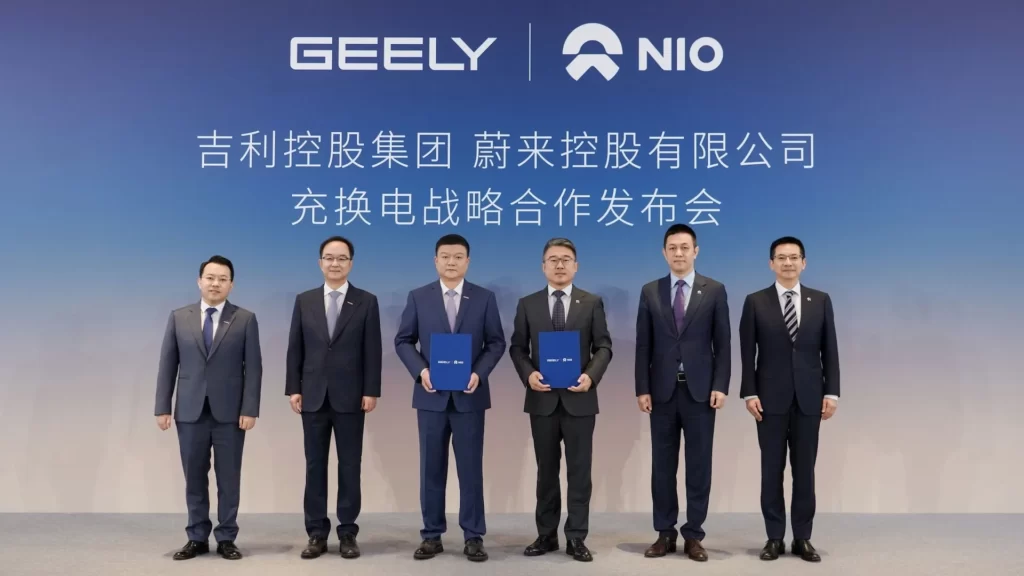
For Geely, the attraction is access to China’s largest dedicated battery-swap infrastructure without having to build it from scratch. The company can now develop consumer-facing swappable models and use Nio Power stations instead of creating a parallel network. Both sides reduce the kind of duplicate investment that has characterised the Chinese EV industry in recent years.
Nio founder and CEO William Li described the partnership as a deliberate effort to curb cutthroat competition through shared infrastructure. The collaboration is explicitly open to other manufacturers joining later, a signal that both companies see battery swapping as potential industry infrastructure rather than a single-brand feature.
Is Battery Swapping Actually Better Than DC Fast Charging?
It depends on the use case.
Swapping still wins on pure time: a full “refuel” in three to five minutes versus 20 to 40 minutes even on a fast DC charger. It also allows better thermal management of the battery pack and opens the door to Battery-as-a-Service models, where the customer does not own the expensive battery outright. For taxis, ride-hailing fleets and high-mileage drivers, the operational advantage is real.
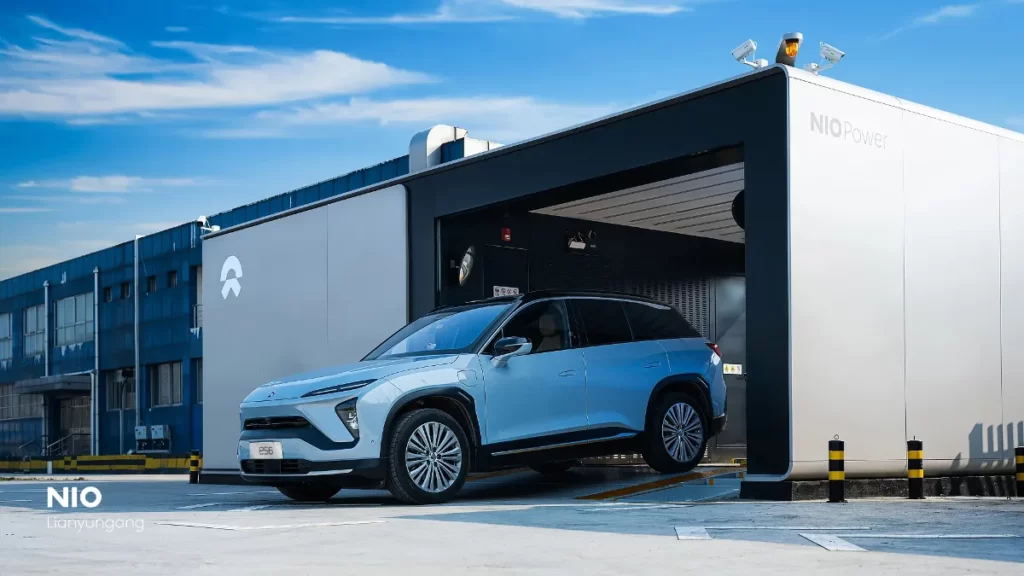
DC fast charging, however, has improved dramatically. It works with any compatible car, requires no proprietary station network, and is simpler for the average private owner. Swapping only becomes compelling at scale, which is where the Geely-Nio structure shines. Shared standards and a denser station network are the only practical way to move swapping beyond a niche.
If the model succeeds, batteries increasingly look like a service rather than a permanent part of the vehicle. That is the direction Nio has been pushing for years with its Battery-as-a-Service offering.
Nio Battery Swapping in the UAE
Nio already operates in the UAE and has opened a hub on Sheikh Zayed Road that showcases its Power technology, including battery swapping. Stations are not yet widespread locally, but the technology is part of the brand’s local story. See our earlier coverage of the NIO Hub in Dubai and the NIO EL8 launch.
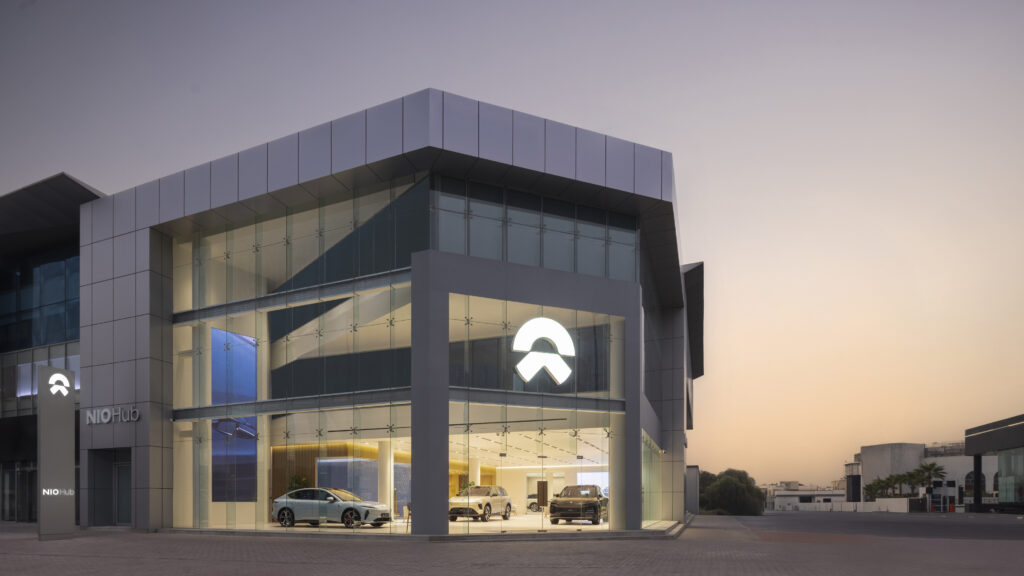
Geely and its related brands (including Zeekr and Riddara) have an established presence through AGMC and other partners. Any future Geely models designed for Nio Power swapping would still need local station investment before the feature becomes useful for UAE customers. At present, the partnership is focused on China, while a Middle East rollout could possibly be on the cards.
Will Geely Launch Swap-Equipped Products?
Yes. The agreement includes plans for Geely to develop consumer battery-swappable models, with Nio Power providing the swap service. Commercial-fleet swapping from the former Yiyi Power business will also be integrated into the larger Nio Power network.
A subsidiary of Geely Holdings named Livan Auto currently offers three models with battery swap technology. However, they aren’t available in the UAE yet. With this new partnership, we might see Geely-branded cars that feature rapid battery swap tech.
Whether those models appear in the UAE, and on what timeline, will depend on infrastructure decisions that have not yet been announced. For now the direction is clear: battery swapping is being treated as shared infrastructure rather than a proprietary gimmick.
For wider context on the local UAE EV market, see our Top 10 Best EVs in the UAE and EV vs Hybrid cost comparison.
Editor’s Take
This is one of the more rational moves in the Chinese EV sector this year. Rather than each brand building parallel swap networks, two significant players are pooling assets, standards, and capital. If the model works, battery swapping becomes more viable for everyone. If it stalls, the industry will at least have tested cooperation before pouring more money into redundant infrastructure. Either way, the signal is that pure proprietary networks are becoming harder to justify.
Browse through over 27,000 listings and find the best cars for sale in the UAE.
Stay tuned to the UAE’s most popular auto blog for more automotive content.
Follow us on

Recent Stories
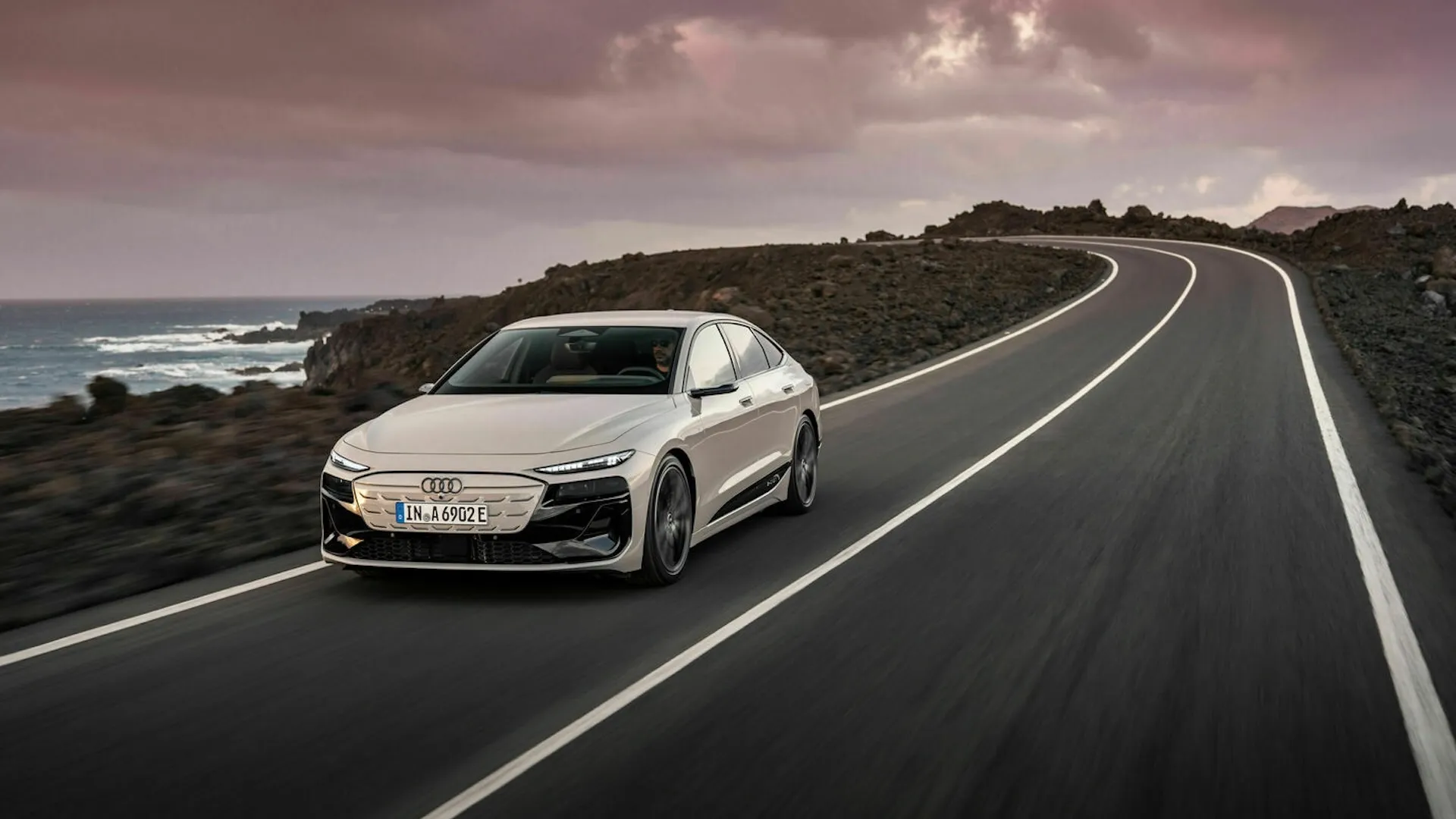
Audi A6 e-tron Sets New World Record: 1,338 km On One Charge
An Audi A6 Sportback e-tron performance has rewritten the production EV range record. Polish rally driver and reigning European Rally...
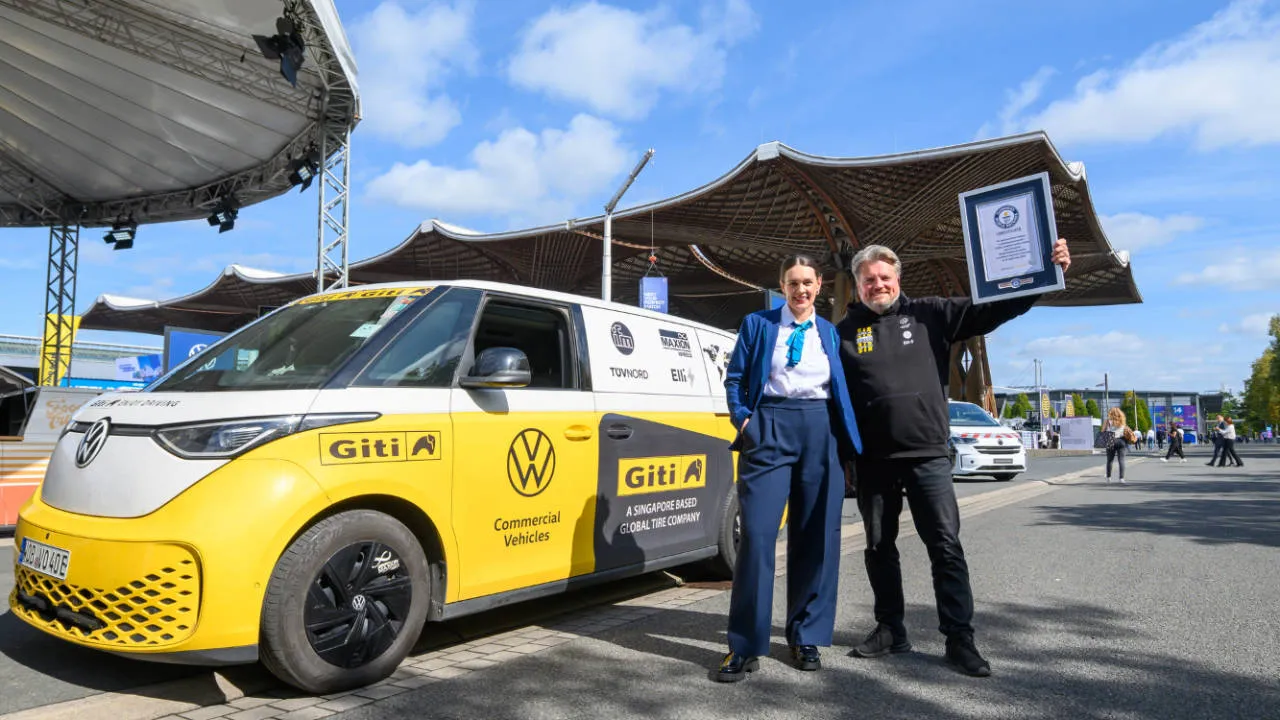
Volkswagen ID. Buzz Sets World Record After 99,767km Across 92 Countries
Volkswagen’s all-electric ID. Buzz has completed one of the most ambitious EV road trips yet, travelling 99,767km through 92 countries...
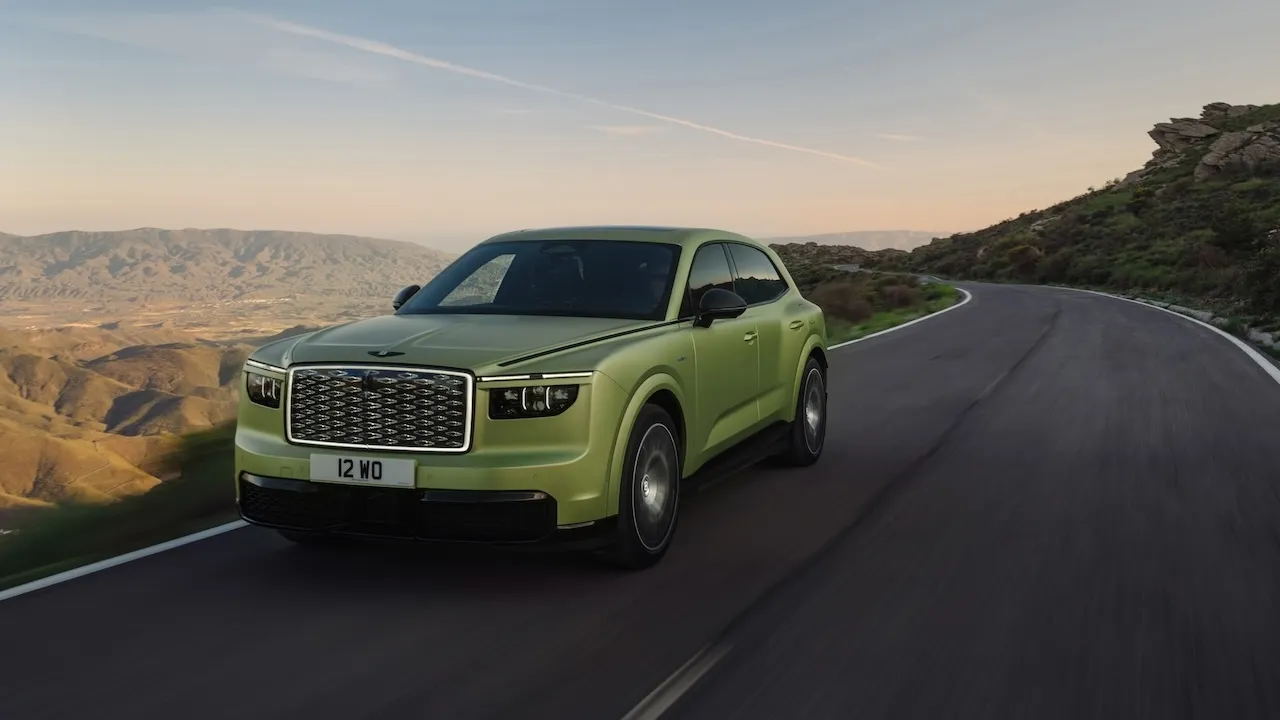
Bentley Torcal Revealed: First Electric Bentley Produces 876hp & An Unusual Soundtrack
Bentley has revealed the Torcal, its first fully electric car. The five-metre SUV becomes the brand’s fourth model line and...
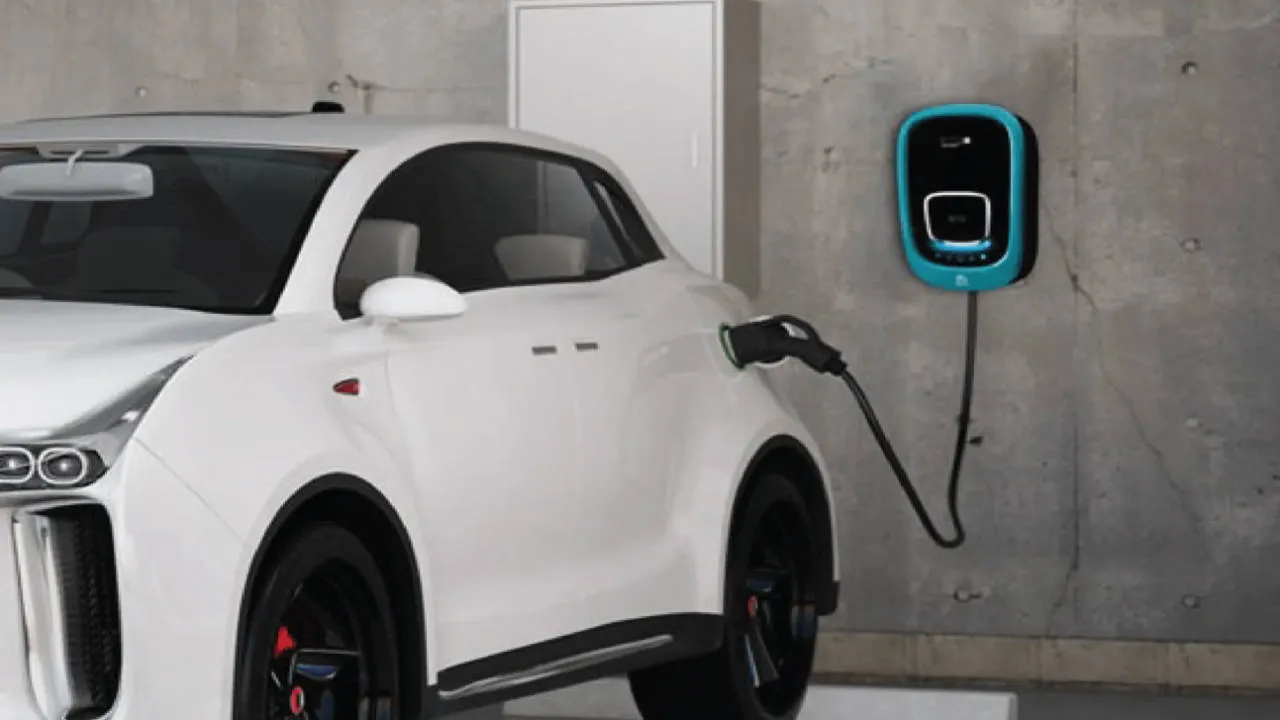
Can You Own An EV In Dubai Without Home Charging?
Electric cars are becoming easier to own in Dubai thanks to longer ranges and a growing charging network. But can...
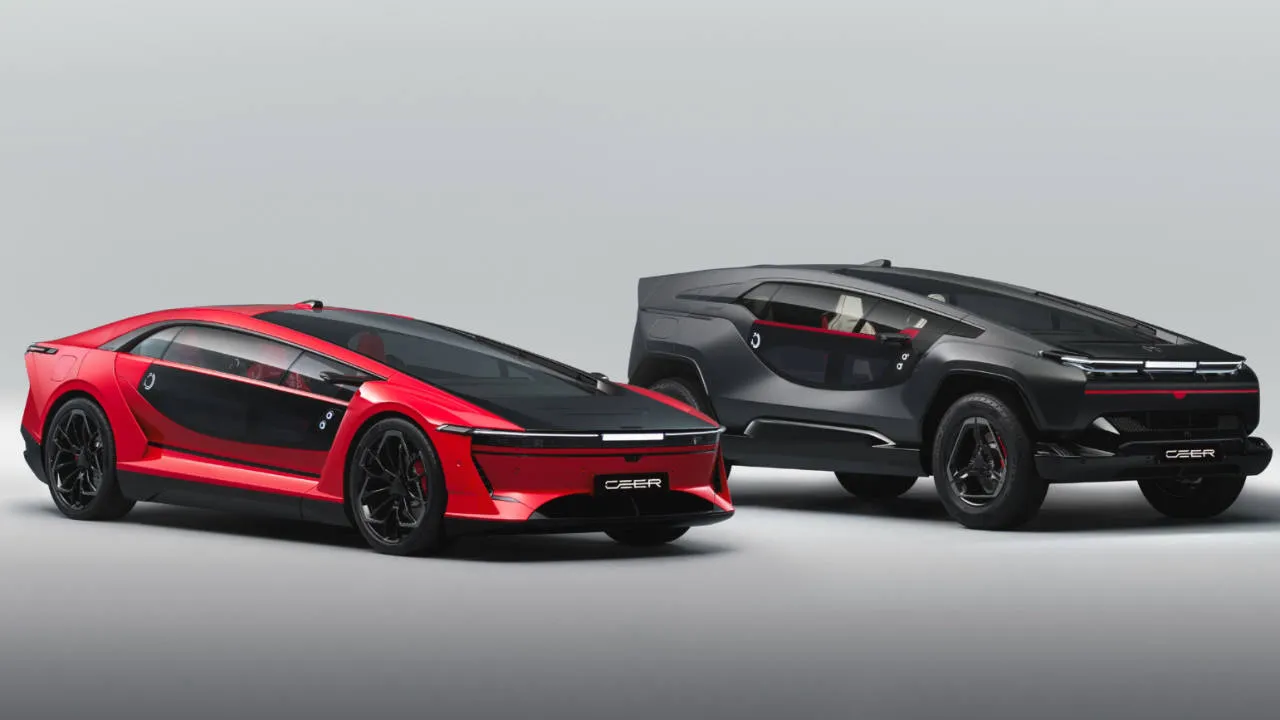
CEER EXOBOT Sedan & SUV Revealed: Saudi EVs With Up To 1,111hp
Saudi Arabia’s national automotive brand CEER has officially revealed the EXOBOT Sedan and EXOBOT SUV, its first production vehicles. The...
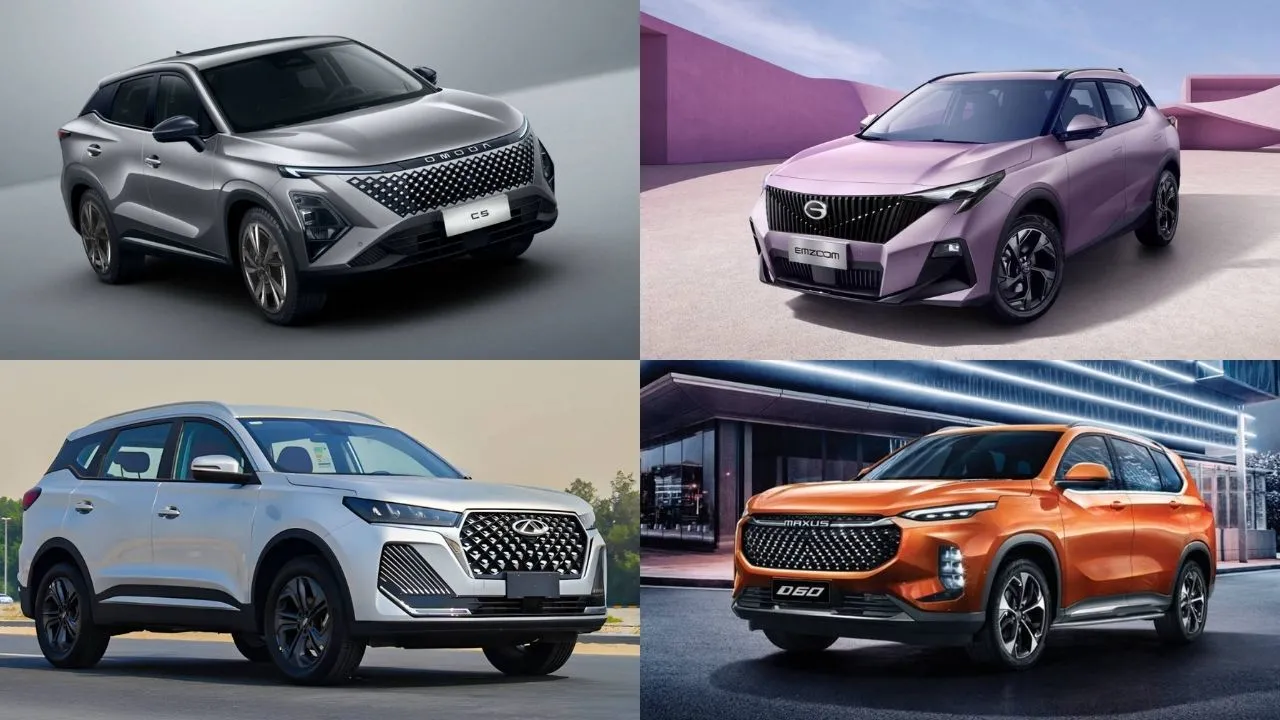
Top 10 Best Chinese SUVs Under AED 75,000 In The UAE
Chinese SUVs have become a major part of the UAE car market, with several brands now offering compact, family-focused models...