
Solar Cars: Everything You Need To Know
 June 14, 2025
, 7 Min Read
June 14, 2025
, 7 Min Read
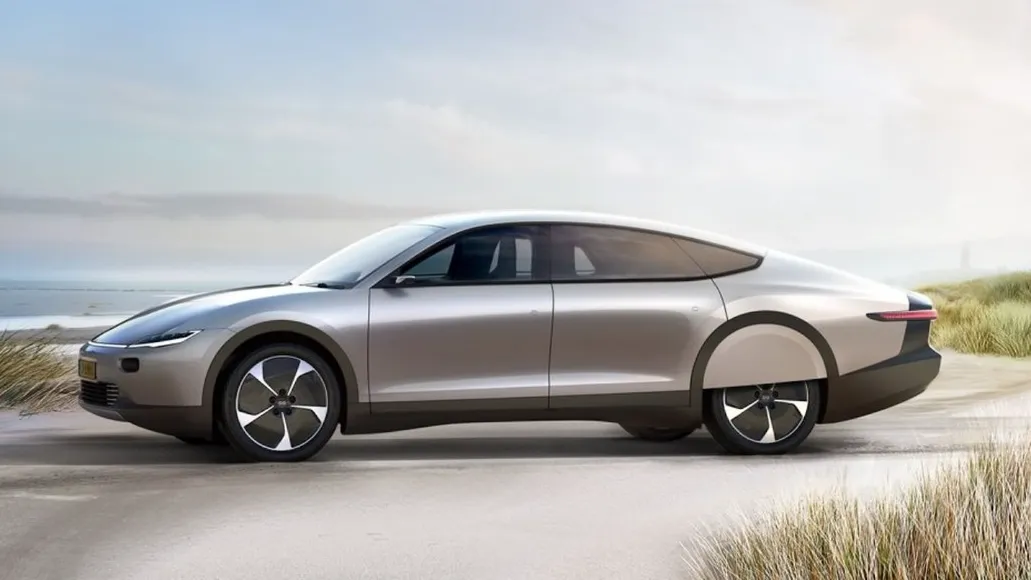
Solar cars are no longer the stuff of science fiction. As the world pivots toward sustainability and cleaner energy sources, solar-powered vehicles are capturing the imagination of engineers, environmentalists, and electric vehicle enthusiasts alike. These vehicles promise zero emissions, near-endless range under sunlight, and a revolution in how we power transportation. But how close are we to seeing them on our roads? Let’s dive deep into the world of solar cars.
What Is A Solar Car?
A solar car is a vehicle that runs either entirely or partially on solar energy. It uses photovoltaic (PV) solar panels mounted on its body panels to convert sunlight into electricity, which powers an electric motor. Solar cars store excess energy in batteries for use during nighttime or cloudy conditions.
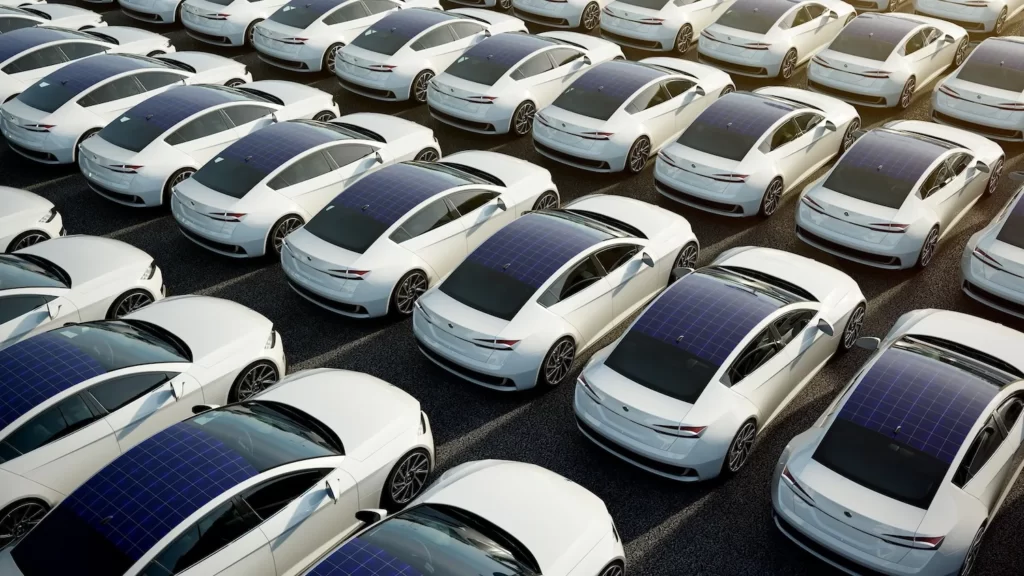
There are generally two types of solar-powered vehicles:
- Fully solar-powered cars that rely solely on sunlight for propulsion.
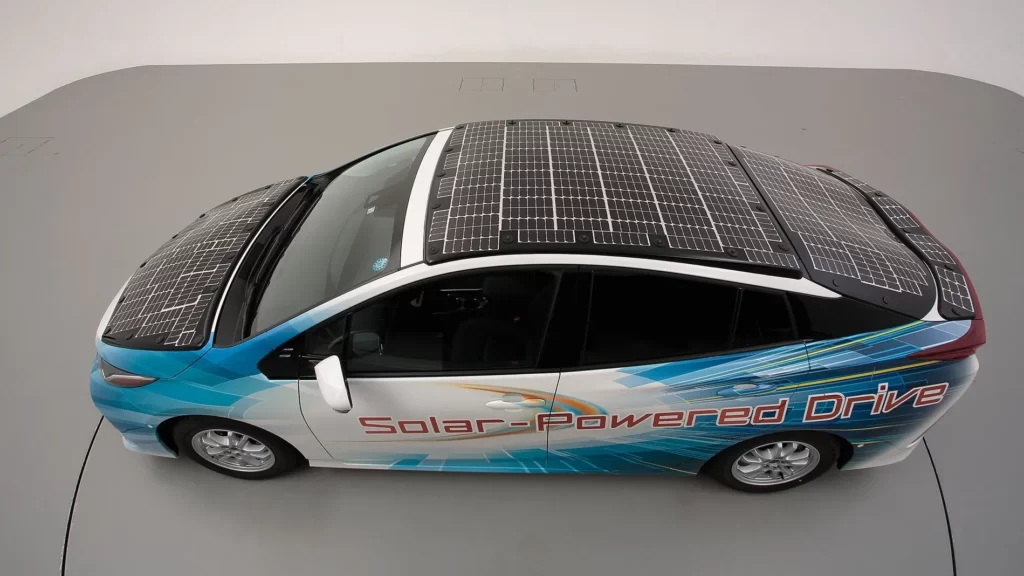
- Solar-assisted EVs that combine solar input with plug-in charging, extending range and reducing reliance on the grid.
How Do Solar Cars Work?
Solar cars operate by harnessing the photovoltaic effect. Here’s how the system works:
- Solar Panels: Usually made of silicon, these capture sunlight and convert it into direct current (DC) electricity.
- Battery Pack: The DC electricity charges an onboard battery, often lithium-ion, which stores energy for later use.
- Electric Motor: The battery feeds power to an electric motor, which drives the wheels.
- Controller System: Manages energy flow between the panels, battery, and motor, ensuring maximum efficiency.
This self-contained ecosystem eliminates the need for fossil fuels and reduces dependency on external charging infrastructure.
History Of Solar Cars
Despite looking and sounding futuristic, the story of solar powered cars actually goes back several decades:
- 1955: The ‘Sunmobile,’ a tiny model built by General Motors, became the first known solar-powered vehicle.
- 1987: The first World Solar Challenge took place in Australia, pushing the limits of solar tech.
- 1996–present: Universities and startups around the world began building working prototypes, with increasing range and speed.
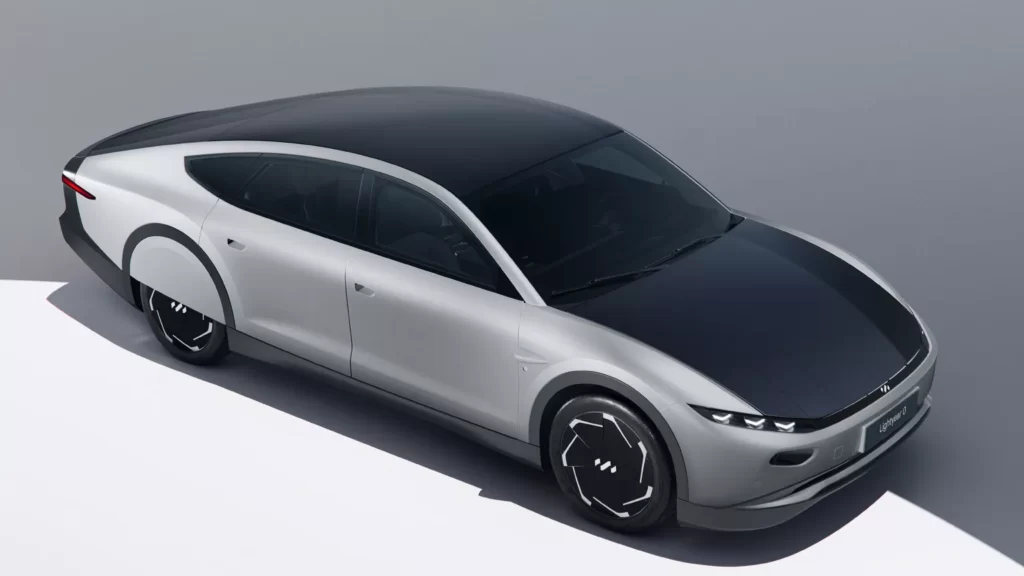
Modern iterations like the Lightyear 0, Aptera, and Sono Motors Sion are paving the way for commercial viability.
Benefits Of Solar Cars
General Benefits:
- Zero Emissions: No tailpipe, no pollution. Perfect for reducing carbon footprints.
- Low Running Costs: Sunlight is free, and there are no fuel expenses.
- Minimal Maintenance: Fewer moving parts than combustion engines mean lower wear and tear.
- Silent Operation: Like other EVs, solar cars are extremely quiet.
- Energy Independence: Reduced reliance on charging stations and the electrical grid.
Benefits of Solar Cars In The UAE & The Middle East
The UAE and the wider Middle East are uniquely suited for the success of solar-powered vehicles due to their climatic conditions. Solar powered cars are not just possible in the Middle East, but they could thrive.
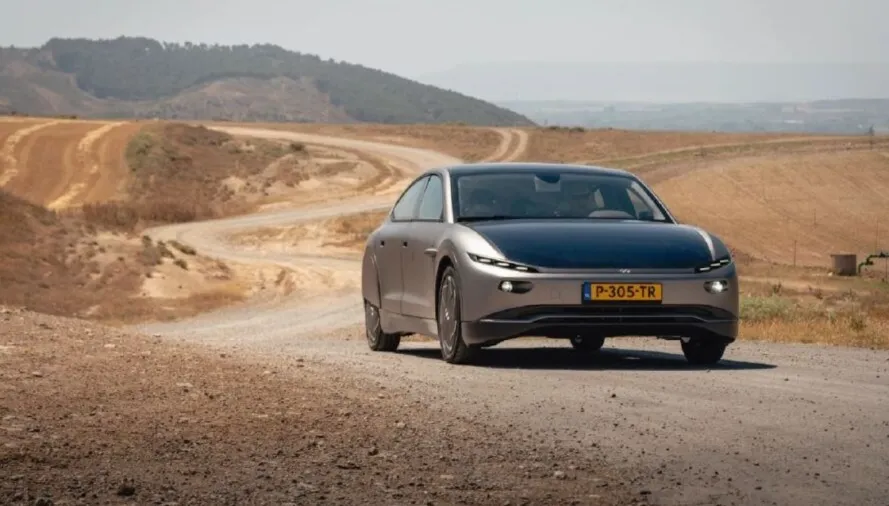
Abundant Sunlight
The region enjoys more than 3,500 hours of sunshine annually. Dubai alone gets about 3,580 hours of sunlight every year, and some areas of the Sahara desert gets 4,000 hours. That’s 40 to 45% of the entire year! This makes it ideal for the usage of solar panels.
High Solar Irradiance
The intensity of solar energy is among the highest in the world, increasing panel efficiency. The average annual solar irradiance exceeds 2,000 kWh per square meter. The government recognises this and has worked towards harnessing this energy. In fact, the world’s largest solar power park is the Mohammed bin Rashid Al Maktoum Solar Park in Dubai.
Cost Savings
With rising fuel prices and a push towards electrification, solar cars could offer long-term economic benefits, saving on both electricity bills and fuel costs.
Challenges & Limitations
Despite their promise, solar powered cars face several hurdles:
Limited Surface Area
A car can only fit so many solar panels, limiting how much energy it can generate.
Weather Dependency
Performance drops on cloudy days and is non-existent at night unless paired with large batteries.
Cost
Advanced solar panels, custom bodywork, and lightweight materials increase production costs.
Weight and Efficiency Trade-offs
Maximizing solar energy collection often requires compromising on weight, comfort, or performance. Both solar panels and batteries are heavy.
Why Solar Cars Haven’t Gone Mainstream (Yet)
While the concept is compelling, solar powered cars haven’t broken into the mainstream auto industry for several reasons:
- Commercial Viability: High R&D and production costs make them too expensive for mass market consumers.
- Battery Tech vs Solar Tech: EVs with large batteries are currently more practical than relying on slow solar charging.
- Automaker Priorities: Big manufacturers prioritize scalable, high-margin models over niche innovations.
- Consumer Skepticism: The idea of solar cars seems untested or too futuristic to many consumers.
- Limited Regulation and Standardization: Global automotive markets don’t yet have universal standards for solar vehicles.
That said, the tide is turning. Companies like Aptera and Lightyear are changing perceptions and pushing the boundaries of what’s possible.
Notable Solar Car Projects & Companies
Lightyear (Netherlands)
- Lightyear 0: Luxury solar EV with a range of up to 800 km. It was launched in 2022 and produced till 2023.
- Lightyear 2: Affordable, mass-market version planned for global markets.
Aptera Motors (USA)
- Ultra-light, three-wheeled solar car promising up to 1,610 miles of range with integrated solar charging.
Sono Motors (Germany)
- The Sion: A solar-integrated electric hatchback that’s also crowd-funded.
University Projects
- Solar Team Eindhoven (Netherlands): Created the Stella series of family-friendly solar vehicles.
- MIT Solar Electric Vehicle Team: One of the most advanced academic solar programs.
Solar Cars vs Electric Cars
| Solar Cars | Electric Cars (EVs) | |
| Energy Source | Sunlight | Grid Electricity |
| Charging Needs | Minimal | Regular Charging Needed |
| Range | Limited Without Sunlight | Up to 825km |
| Infrastructure | Less Dependent | Requires EV Chargers |
| Emissions | Zero | Zero (If charged via clean electricity) |
The Future Of Solar Mobility
The future looks promising:
- Solid-State Batteries: Can increase solar cars’ storage efficiency.
- Flexible PV Panels: Panels that conform to curves will improve solar coverage on vehicles.
- Autonomous Solar Fleets: Delivery robots, drones, and self-charging EVs for last-mile logistics.
- Integration into EVs: Expect to see more EVs with solar roofs for auxiliary power (already seen in the Hyundai Sonata Hybrid and Toyota Prius Prime).
With innovation accelerating and sustainability becoming non-negotiable, solar cars are poised for exponential growth.
Find the best cars for sale in the UAE.
Stay tuned to UAE’s most popular auto blog for more automotive content.
Also Read:
- Why Are White Cars So Popular In The UAE?
- How To Get Free Online Car Valuation In The UAE
- Chinese EV Exports Grow By 19% In 2025
FAQs
Why aren’t solar cars widely available yet?
Solar cars are not mainstream due to high production costs, limited solar panel surface area on vehicles, and energy efficiency challenges that make them less practical than traditional EVs for now.
Can a car really run entirely on solar power?
Yes, some prototypes like Aptera and Lightyear 0 can run entirely on solar power under optimal sunlight conditions, but most commercial models are solar-assisted and still rely on battery charging.
How long can a solar car drive without charging?
Depending on design and sunlight exposure, a solar car can generate up to 70 km of range per day from sunlight alone, with battery packs extending total range to 600–1,000 km in some models.
Are solar cars suitable for hot countries like the UAE?
Absolutely. Countries with abundant sunlight like the UAE are ideal for solar cars, as high solar irradiance improves energy capture, making solar EVs more efficient and viable year-round.
What is the difference between a solar car and an electric car?
A solar car generates electricity from the sun using onboard solar panels, while a standard electric car relies on grid-based charging. Solar cars can reduce or eliminate the need for external charging under ideal conditions.
Follow us on

Recent Stories

Who Is Dubi? The DubiCars Way Forward
A first car. A family upgrade. A weekend toy that requires a slightly creative explanation at home. Every car search...
Used Nissan Patrol Buying Guide: What To Check Before Paying
Few used SUVs have as much appeal in the UAE as the Nissan Patrol. Whether it is an old-school Y60,...
What Do High Fuel Prices Mean For Car Buyers In The UAE?
Fuel prices are rising in the UAE and across other global markets. But fuel price increases don’t instantly change car...
UAE Petrol Prices October 2026: How Much Does A Full Tank Cost?
Petrol prices in the UAE have jumped sharply for October 2026, putting the cost of filling up firmly back in...

Petrol Prices Rise In The UAE: Why Costs Increased And How To Save On Fuel
Fuel prices in the UAE have seen a sharp rise in October 2026, placing added pressure on everyday drivers. With...
UAE Petrol Prices Increase: Should You Buy An EV Or Hybrid In 2026?
Fuel prices are climbing once again, and with every increase, the same pattern emerges. People don’t complain much about the...