
All You Need To Know About V8 Engines
 July 31, 2025
, 5 Min Read
July 31, 2025
, 5 Min Read
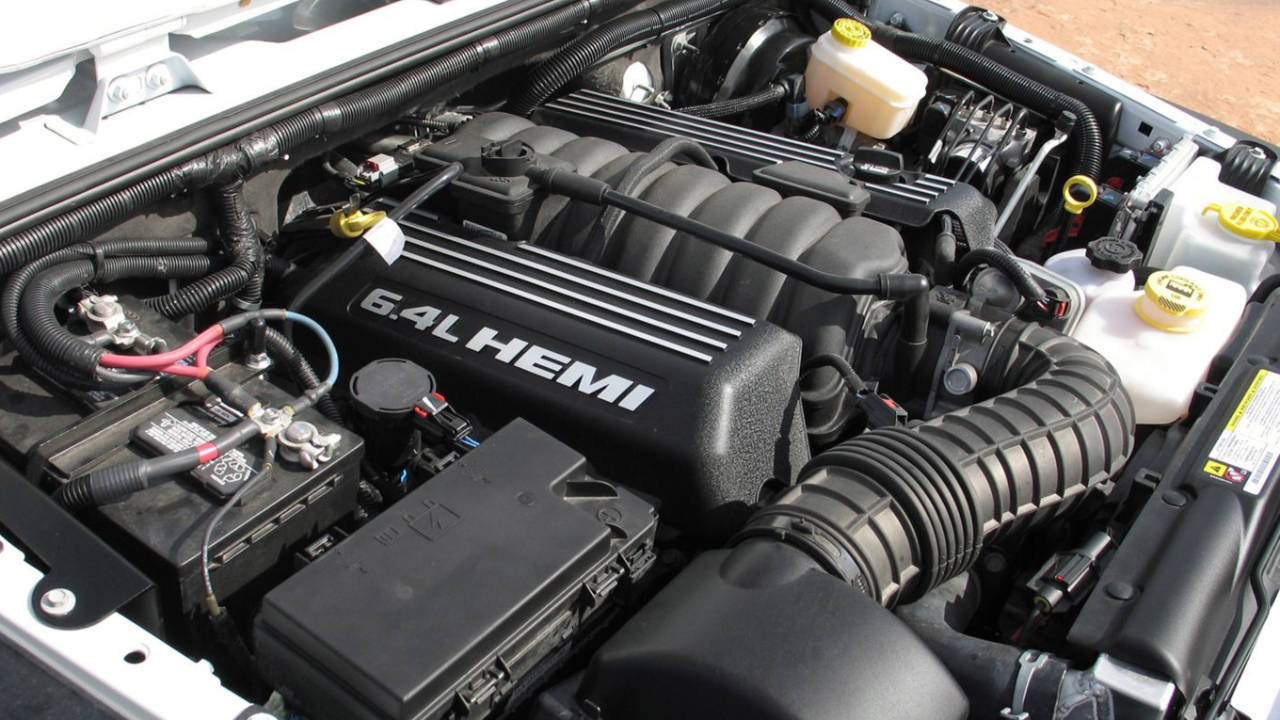
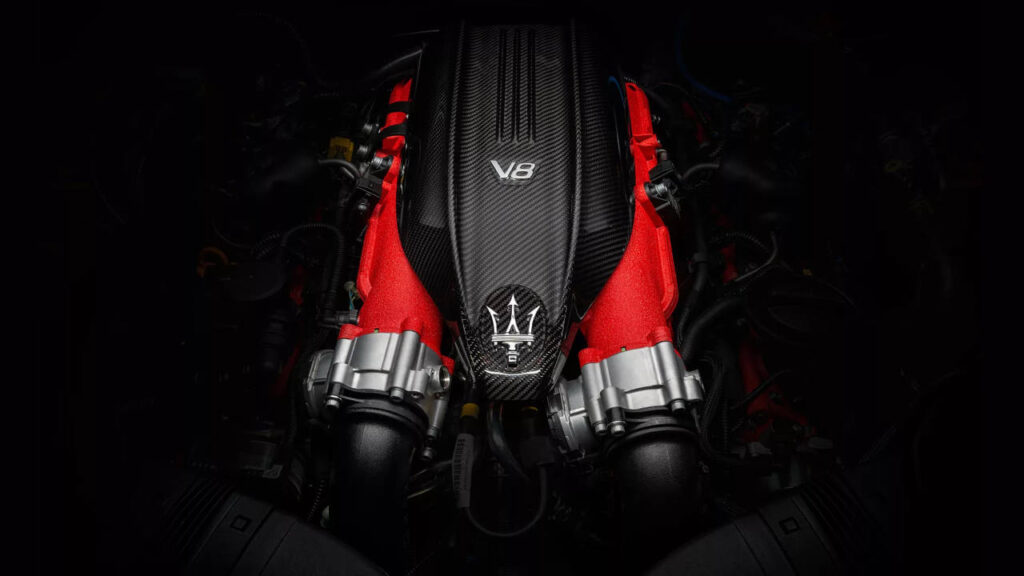
A V8 engine has eight cylinders arranged in a V shape. It delivers strong power and torque, which makes it ideal for luxury and sports cars. Even in 2025, many drivers still choose V8s for their performance, engine sound, and reliability—despite the rise of electric and hybrid vehicles.
When Was The V8 Engine First Used In Cars?
The V8 engine was first designed in the 19th century for ships and planes. Renault used it in cars in 1904, followed by Rolls-Royce in 1905. Rolls-Royce introduced the first street car with a 3.5-litre V8 engine. Since then, the V8 has become a symbol of power and prestige.
How Is A V8 Engine Built?
A V8 engine contains eight cylinders in two banks of four. These banks are set at a 90° angle, forming a “V” shape. When one piston is at the top on one side, the matching piston on the opposite side moves down. This creates balanced primary forces.
To better understand parts like cylinder banks and cooling paths, read this guide to the engine block.
To reduce vibration from secondary forces, manufacturers use friction dampers and engine mounts. The engine runs on a typical four-stroke cycle, like most internal combustion engines.
How Does A V8 Engine Work?
Here’s how a V8 engine works step by step:
- The air-fuel mixture enters the cylinder through the valvetrain.
- The piston compresses the mixture.
- The spark plug ignites it.
- The explosion moves the piston down to generate power.
To explore more about how cylinder heads and valve systems function, see this engine head guide.
There are two main valve control methods:
- Overhead camshafts (chain-driven)
- Pushrods with rocker arms
The firing order varies by model, but the most common is 1-8-7-2-6-5-4-3. Many V8s now also have counterbalancers to reduce the movement and vibrations caused by the pistons.
What Are The Differences Between V6, V8, and V12 Engines?
Here’s a comparison table to help understand how V8 engines compare with V6 and V12:
| Feature | V6 Engine | V8 Engine | V12 Engine |
| Power | Moderate | High | Very High |
| Fuel Use | Moderate | High | Very High |
| Cost | Lower | Medium | High |
| Maintenance | Easier | Moderate | Complex |
| Common In | Family Cars | Sports/Luxury | Exotic Cars |
Want to know more about which car types these engines are commonly found in? Check out this article on car body types and segments.
Why Do People Still Prefer V8 Engines in 2025?
Here are the key reasons why many drivers still pick a V8 engine:
- Compact Build: Two banks of cylinders allow a V8 to fit into smaller engine bays.
- Balanced Power: Opposing piston movement helps balance forces for smoother performance.
- Lower Manufacturing Cost: Fewer parts reduce overall production costs.
- Easy Maintenance: Cylinder heads are easy to reach, lowering labour time.
- Better Fuel Flow: The intake manifold gives a balanced air-fuel mix to all cylinders.
Is the V8 Engine Still Relevant in the Future?
Yes, the V8 engine still has a place in 2025—though with changes:
- Hybrid Technology: Some modern V8s are paired with electric motors.
- Smaller Turbocharged Alternatives: Four- and six-cylinder turbo engines are replacing V8s in some models.
- Stricter Emission Rules: Car makers are updating or phasing out some V8s to meet global emissions laws.
- Collector and Performance Cars: V8s are often used in limited-edition or high-end models.
Which Latest Cars Still Use a V8 Engine in the UAE?
Here are some 2024–2025 models that still offer a V8 engine:
- Used Mercedes-Benz G-Class for sale in the UAE
- Pre-owned Bentley Continental available in the UAE
- Second-hand BMW 8-Series for sale
- Used Nissan Patrol listings in the UAE
Should You Buy a Car with a V8 Engine in 2025?
If you want strong power, high-speed performance, and a classic engine feel, a V8 is still a smart option in 2025. It’s ideal for off-road driving, towing, or enjoying the thrill of a powerful car.
FAQs
What does “V8” mean?
It refers to an engine with eight cylinders arranged in two banks of four, forming a “V” shape. This layout offers high power and torque suitable for performance, SUVs, and towing.
Are V8 engines more powerful than V6?
Yes. V8s have two extra cylinders compared to V6s, producing significantly more power and torque, though they consume more fuel.
Why choose a V8 engine?
V8s deliver strong acceleration, towing capacity, and a distinctive engine note, making them popular in muscle, sports, and luxury vehicles.
Do V8 engines use more fuel?
Generally, yes—they burn more fuel than smaller engines. They also have more components like spark plugs and oil pans, increasing maintenance demands.
How long do V8 engines last?
Most V8s last over 100,000 miles with proper care. They benefit from routine maintenance such as oil changes and spark plug replacements.
Find the best used cars for sale in the UAE.
Stay tuned to UAE’s most popular auto blog for more information about the latest happenings in all of the Emirates.
Also Read:
- DubiCars’ Shiny New Fleet Hits The Road in Dubai
- New Car vs Used Car: Buying A Car In The UAE
- How To Buy A Car From A Dealer In The UAE
Follow us on

Recent Stories
The Dubai Luxury Car Rental Guide For Tourists Who Actually Want to Drive Something Interesting
Most guides to luxury car rental Dubai tell you the same things. Smooth roads. Great value compared to Europe. Book...
Used Car Inspection In The UAE: Warning Signs Before You Buy
Buying a used car in the UAE can save you a considerable amount of money, especially when compared to purchasing...
New Chinese SUV Or Used Japanese SUV For The Same Money
Imagine having AED 100,000 to spend on an SUV in the UAE. You could drive home in a brand-new Chinese...

Who Is Dubi? The DubiCars Way Forward
A first car. A family upgrade. A weekend toy that requires a slightly creative explanation at home. Every car search...
Used Nissan Patrol Buying Guide: What To Check Before Paying
Few used SUVs have as much appeal in the UAE as the Nissan Patrol. Whether it is an old-school Y60,...
What Do High Fuel Prices Mean For Car Buyers In The UAE?
Fuel prices are rising in the UAE and across other global markets. But fuel price increases don’t instantly change car...