
Top EVs Launching In 2026
 March 12, 2026
, 6 Min Read
March 12, 2026
, 6 Min Read
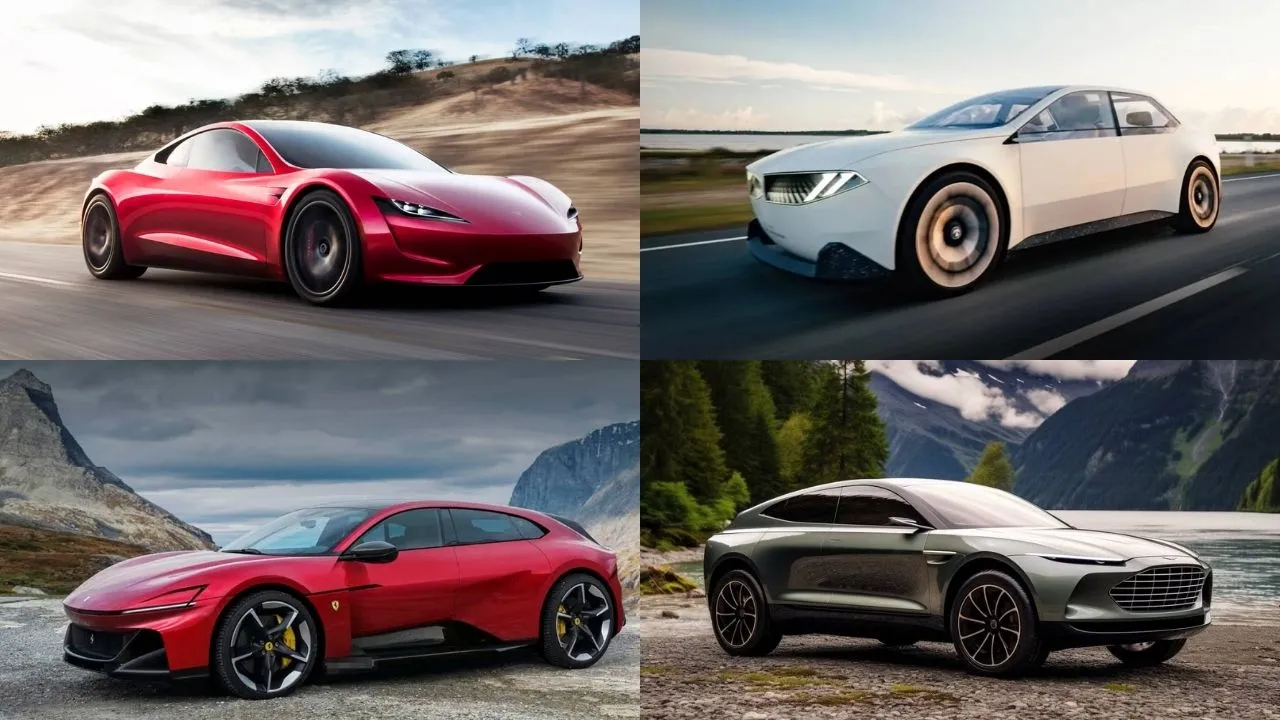
The electric vehicle market in 2026 will look very different from today. Manufacturers are no longer experimenting or delaying decisions. Instead, they are launching fully developed electric and plug-in hybrid models designed for real ownership, long journeys, and predictable charging. Buyers will see clearer segmentation between luxury EVs, performance-focused models, off-roaders, and pragmatic hybrids.
 AI Quick Summary
The 2026 electric vehicle market will be highly diversified, shifting from experimentation to offering fully developed models tailored for various buyer segments. This expansion includes luxury and performance EVs like the Bentley Urban SUV and Ferrari Elettrica, robust off-roaders such as the potential Audi Electric 4x4, and pragmatic plug-in hybrids like the Omoda 7, all designed for real-world usability and specific ownership needs.
This summary was generated by AI using this article’s content.Read Next
This guide covers all confirmed and expected major EV arrivals for 2026, explaining what each model offers and who it is best suited for. The focus is on usability, technology, and market relevance rather than hype.
Bentley Urban SUV

The Bentley Urban SUV brings electric power to the brand’s most compact offering. Built on the PPE platform, it is expected to deliver a range of between 560 and 640 kilometres, depending on the specifications. Dual motors ensure smooth and quiet performance, while adaptive air suspension prioritises comfort over sporty handling. This model targets buyers who want Bentley refinement in a more manageable, city-friendly format.
Find the best Bentley cars for sale in the UAE.
Tesla Roadster
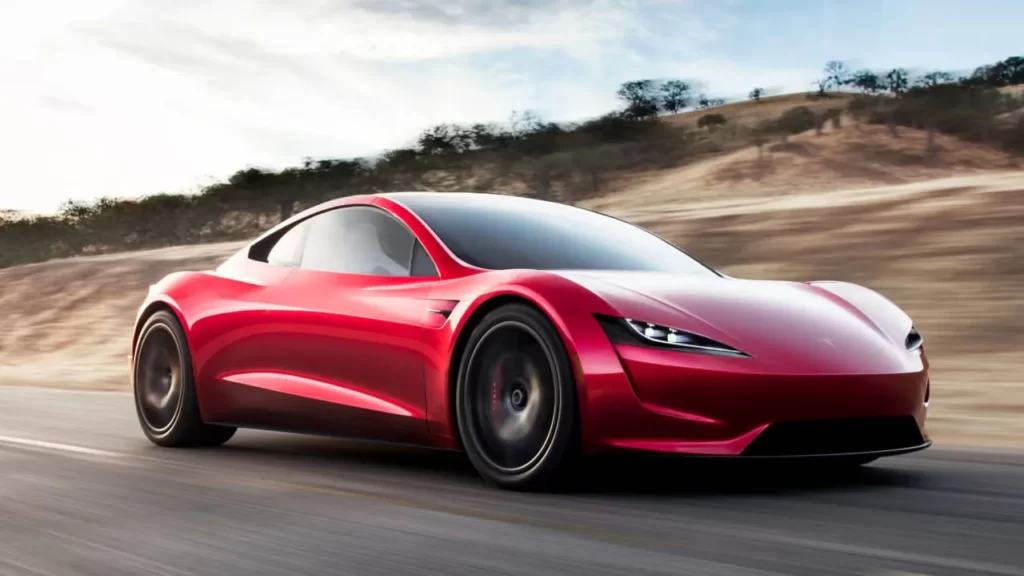
The next-generation Tesla Roadster acts as a technological flagship rather than a mainstream product. With a 200 kWh battery, output exceeding 1,000 horsepower, and a claimed range of up to 998 kilometres, it pushes the limits of what electric performance can achieve. All-wheel drive supports extreme acceleration figures, placing it firmly in the hypercar category for early adopters and collectors.
Find the best Tesla cars for sale in the UAE.
Audi Electric 4×4
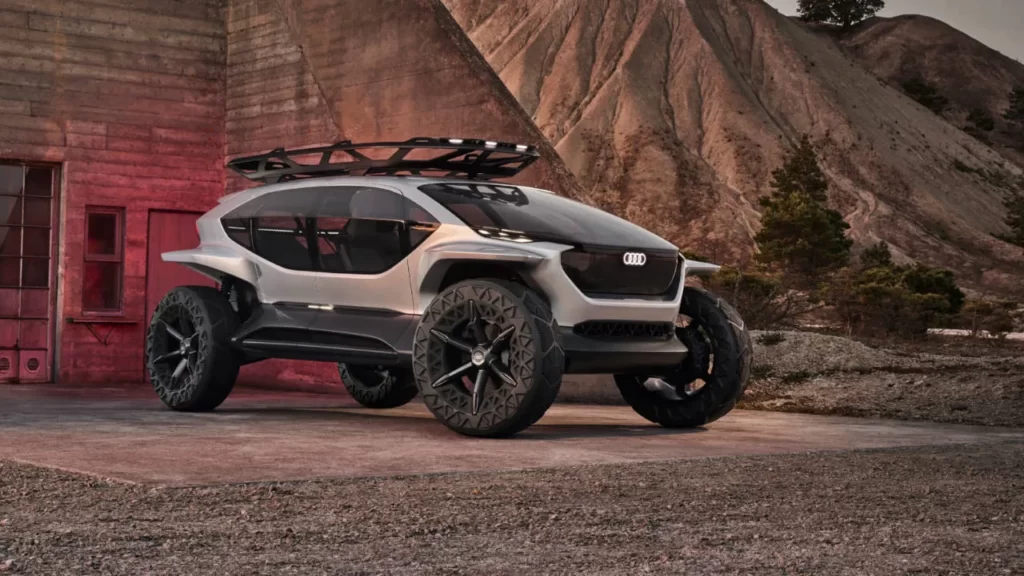
Audi’s electric 4×4 remains under development and has not been officially confirmed for production. Based on Scout platform architecture, it is intended as a genuine off-road vehicle rather than a lifestyle SUV. Expected features include portal axles, locking differentials, and multi-motor configurations. If approved, it would serve buyers seeking serious electric off-road capability comparable to the Mercedes G-Class.
Find the best Audi e-tron cars for sale in the UAE.
Rivian R2
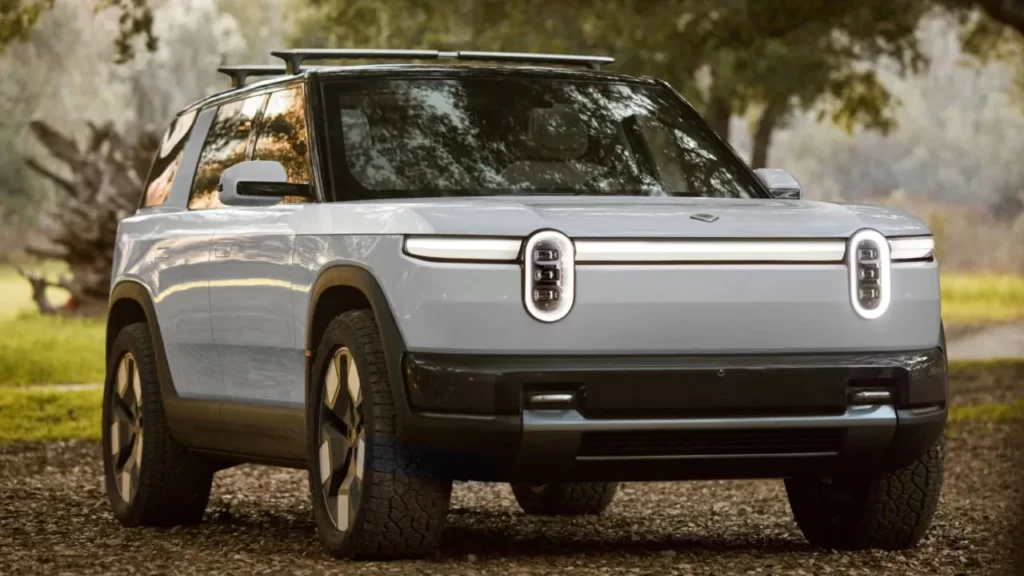
The Rivian R2 is designed to broaden the brand’s appeal. Smaller than the R1 models, it retains Rivian’s adventure-focused identity while offering improved efficiency and affordability. Battery capacities between 90 and 110 kWh are expected, with real-world range exceeding 480 kilometres. Performance variants may deliver over 700 horsepower, making the R2 suitable for both daily use and outdoor-focused lifestyles.
Find the best Rivian cars for sale in the UAE.
Nio ES8
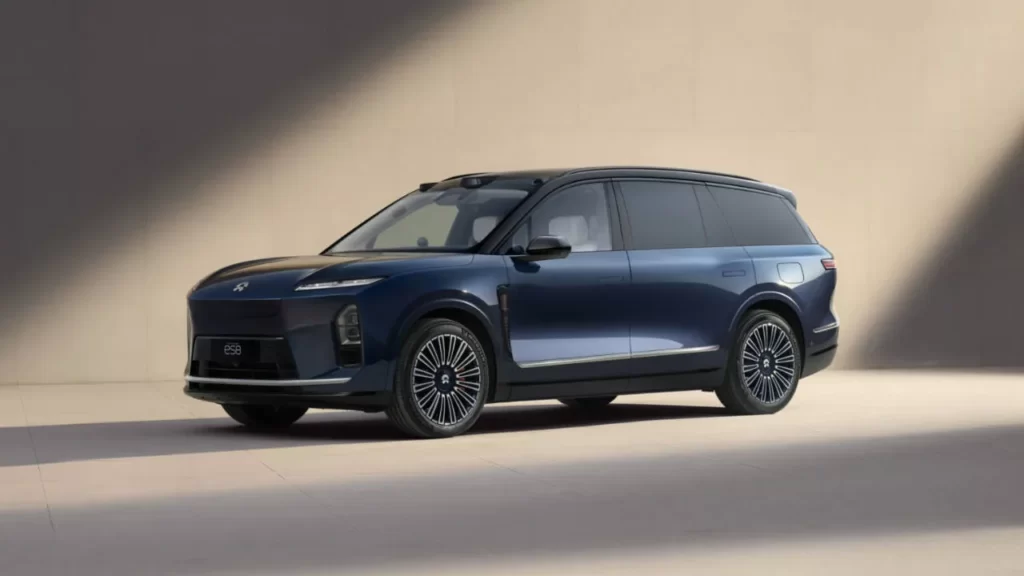
The Nio ES8 is a full-size electric SUV built around technology and interior space. Dual motors produce 697 horsepower and 700 Nm of torque, with a CLTC-rated range of up to 635 kilometres. Seating for six or seven passengers makes it family-friendly, while battery swapping capability reduces downtime in supported regions. It suits buyers prioritising innovation and long-distance comfort—here are more details about the ES8.
Find the best Nio cars for sale in the UAE.
Omoda 7
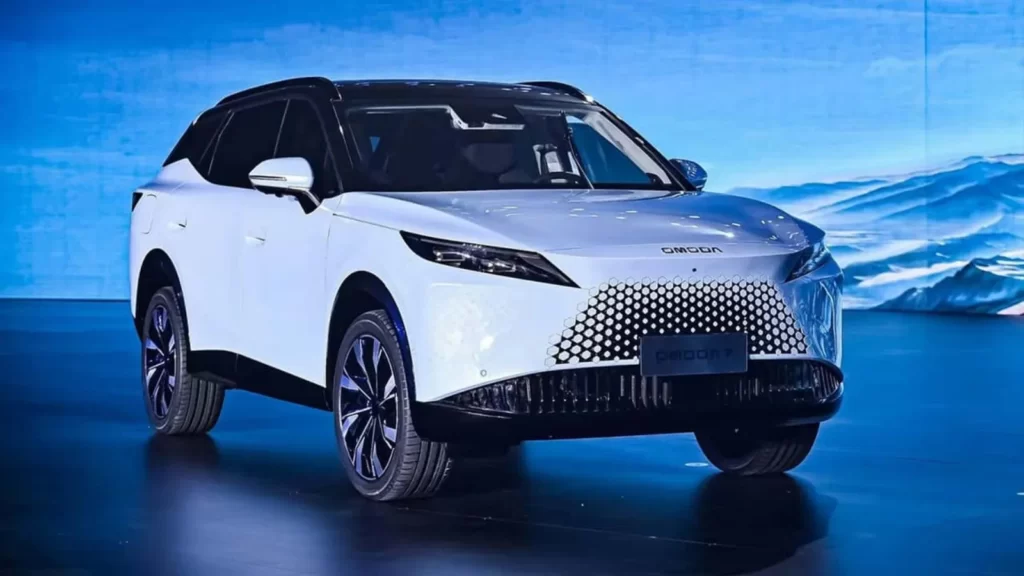
The Omoda 7 takes a plug-in hybrid approach, offering flexibility where full electrification may not suit all users. A 19.27 kWh battery provides up to 90 kilometres of electric-only driving, while the combined petrol and electric system extends total range to around 1,200 kilometres. With 320 horsepower available, it balances efficiency with usable performance for mixed driving conditions—click this linked article to know more about the Omoda 7.
Find the best Omoda cars for sale in the UAE.
Denza N9
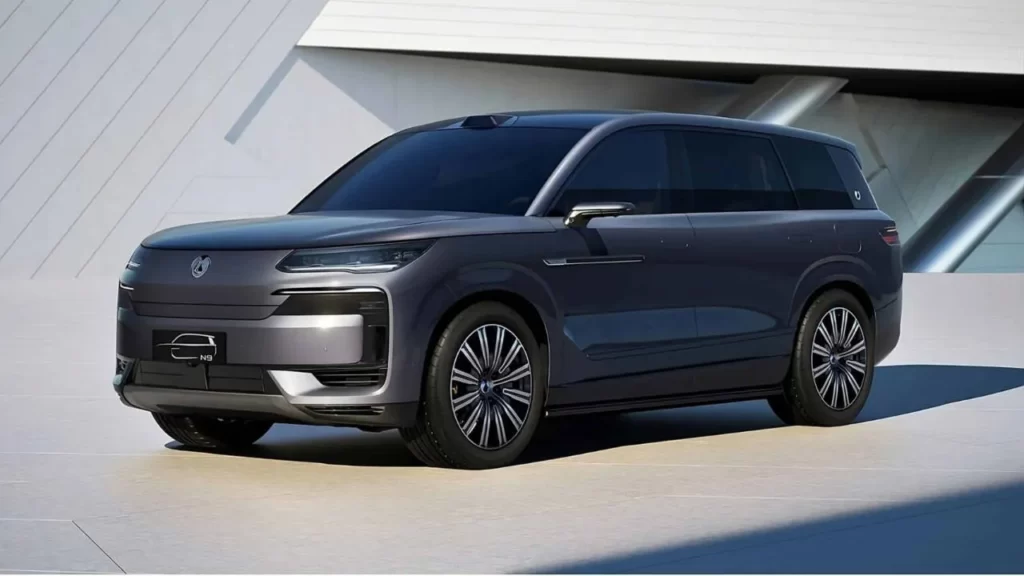
The Denza N9 focuses on high-output hybrid performance. A turbocharged petrol engine works alongside three electric motors to deliver a combined 912 horsepower. Electric-only range reaches 202 kilometres, while total range extends beyond 1,300 kilometres. Acceleration to 100 km/h in 3.9 seconds positions it as one of the fastest luxury plug-in hybrid SUVs expected in 2026—here are more details.
Find the best Denza cars for sale in the UAE.
Yangwang U9 Xtreme
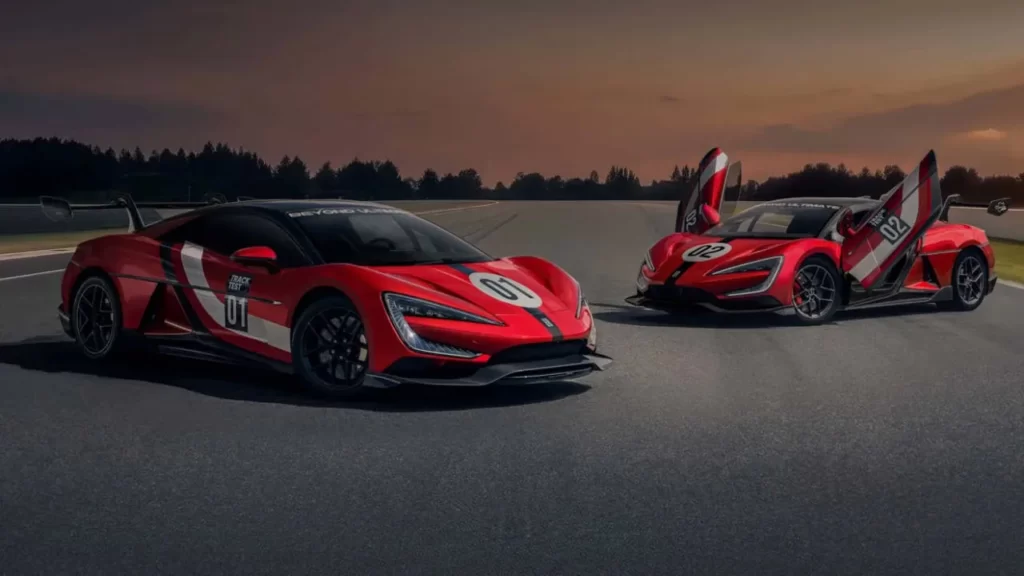
The Yangwang U9 sits at the end of the EV spectrum. In Xtreme specification, output reaches 3,019 horsepower, with verified top speeds exceeding 496 km/h. Even standard versions deliver performance figures beyond most established hypercars. An 80 kWh blade battery supports ultra-fast charging at up to 500 kW DC, making this model more about engineering demonstration than daily usability—read the article to know more.
Find the best Yangwang cars for sale in the UAE.
BMW 3 Series EV

The BMW 3-Series EV focuses on familiarity and balance rather than reinvention. Dual motors deliver 463 horsepower, supported by a 108.7 kWh battery offering up to 805 kilometres of range. Charging speeds of up to 400 kW DC reduce long-distance inconvenience. It is aimed at executive saloon buyers transitioning from combustion engines to electric power.
Find the best BMW 3 Series for sale in the UAE.
Ferrari Elettrica

Ferrari’s first electric vehicle signals a strategic shift rather than a compromise. Quad motors produce over 1,000 horsepower, supported by a 122 kWh battery. Acceleration to 100 km/h takes approximately 2.5 seconds, while careful weight distribution preserves handling balance. Despite a four-door layout, the Elettrica remains focused on performance and driver engagement—here are more details.
Find the best Ferrari cars for sale in the UAE.
Honorary Mentions
Range Rover Electric
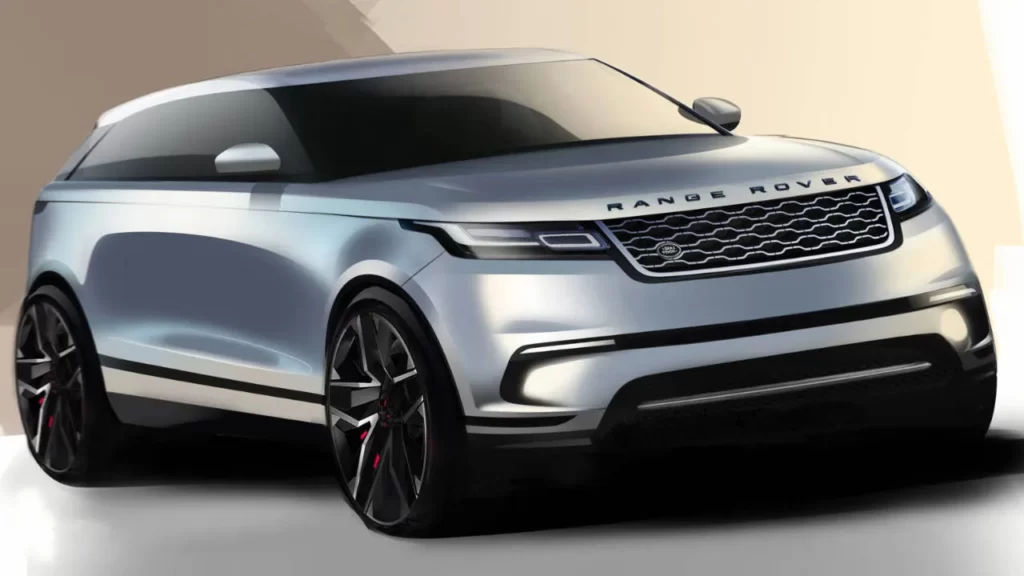
The Range Rover Electric applies electrification to a proven luxury SUV formula. Dual motors are expected to produce around 542 horsepower, with a range reaching approximately 530 kilometres. Fast DC charging supports quicker long-distance travel, while the platform retains off-road capability. This model targets buyers seeking refinement without abandoning all-terrain usability—check this linked article to know more.
Find the best Range Rover cars for sale in the UAE.
Aston Martin EV SUV
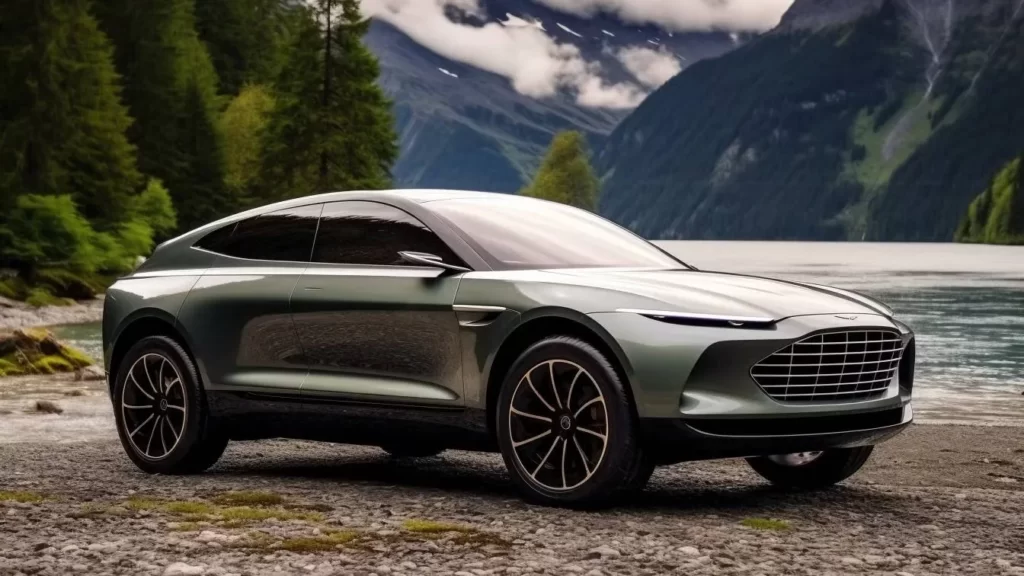
Aston Martin’s electric SUV remains under development with no confirmed technical specifications or production timeline. It is expected to sit at the luxury end of the market, focusing on design, performance, and brand identity. A 2026 launch remains uncertain, but the model is a key part of Aston Martin’s long-term electrification strategy.
Find the best Aston Martin cars for sale in the UAE.
The EVs arriving in 2026 reflect a market that has matured. Buyers now have credible electric and plug-in hybrid options across luxury, performance, off-road, and family segments. Improvements in range, charging speed, and platform design mean the decision is no longer about whether to go electric, but which electric vehicle best fits individual needs.
Find the best cars for sale in the UAE.
Stay tuned to UAE’s most popular auto blog for more information about the latest happenings in all of the Emirates.
Follow us on

Recent Stories
Top 10 Best REEV Cars In The UAE In 2026
Electric cars are becoming increasingly popular in the UAE, but not everyone wants to depend entirely on charging stations. Long...
McLaren Speedtail: The Most Expensive Purple Car On DubiCars
Only 106 McLaren Speedtails were ever made. Two of these are listed on DubiCars, and one of them wears a...
New Chinese SUV Or Used Japanese SUV For The Same Money
Imagine having AED 100,000 to spend on an SUV in the UAE. You could drive home in a brand-new Chinese...

iCAUR Opens New Showroom At Marina Mall Abu Dhabi: V27 & 03T SUVs On Display
iCAUR has expanded its UAE presence by opening a new showroom at Marina Mall in Abu Dhabi. The premium new...
Should You Buy A Chinese Car In The UAE? Pros, Cons & What To Know
Chinese cars have quickly moved from being budget alternatives to serious competitors in the UAE. Brands such as BYD, Geely,...
XPENG Showcases REEV Tech: GX Makes A Strong Case For Electrified Driving As UAE Fuel Prices Rise
Electric cars have many advantages: immediate response, zero tailpipe emissions, quiet luxury, and more. For some UAE buyers, however, one...