
Types of Hybrid Cars in the UAE: Mild, Strong, PHEV & EREV Guide For Smarter Buying
 April 12, 2026
, 6 Min Read
April 12, 2026
, 6 Min Read
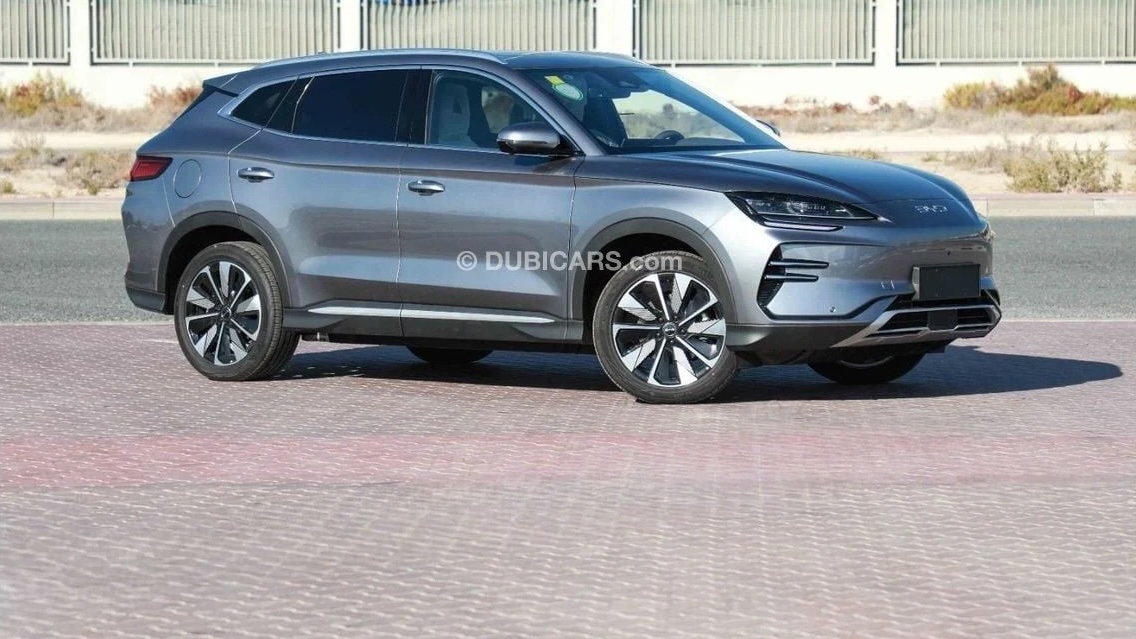
Fuel prices in the UAE have become a growing concern, especially with global conflicts affecting oil supply and stability. For many residents, daily driving costs are rising, making fuel efficiency a top priority. Buyers are now looking for cars that can reduce running costs without compromising convenience or comfort.
 AI Quick Summary
With rising fuel prices in the UAE, residents are increasingly turning to hybrid cars for better fuel efficiency and reduced running costs. The article details different hybrid types—mild, strong, plug-in, and extended-range EVs—explaining how each functions and performs in UAE driving conditions. For most drivers, strong hybrids are highlighted as the most practical choice, offering significant fuel savings in city traffic without requiring external charging.
This summary was generated by AI using this article’s content.Read Next


Hybrids are gaining attention because they offer a practical solution. They do not require a complete shift to electric driving, yet they deliver noticeable fuel savings. In a market where long commutes and heavy traffic are common, hybrids are becoming a smart and realistic option.
What is a hybrid car, and how does it work?
A hybrid car uses both a petrol engine and an electric motor to improve efficiency. The system manages both power sources to reduce fuel consumption, especially in city driving.
Key points:
- Combines a petrol engine with an electric motor
- Uses regenerative braking to store energy
- Reduces fuel consumption in traffic
- Does not always require external charging
This balance makes hybrids ideal for UAE driving conditions, where traffic and highway use vary daily.
What is a mild hybrid (MHEV)?
A mild hybrid is the most basic form of hybrid technology. It supports the petrol engine but cannot drive the car using electricity alone.
How it works:
- Uses a small 48V battery
- Assists the engine during acceleration
- Turns off the engine during idling
- Recovers energy while braking
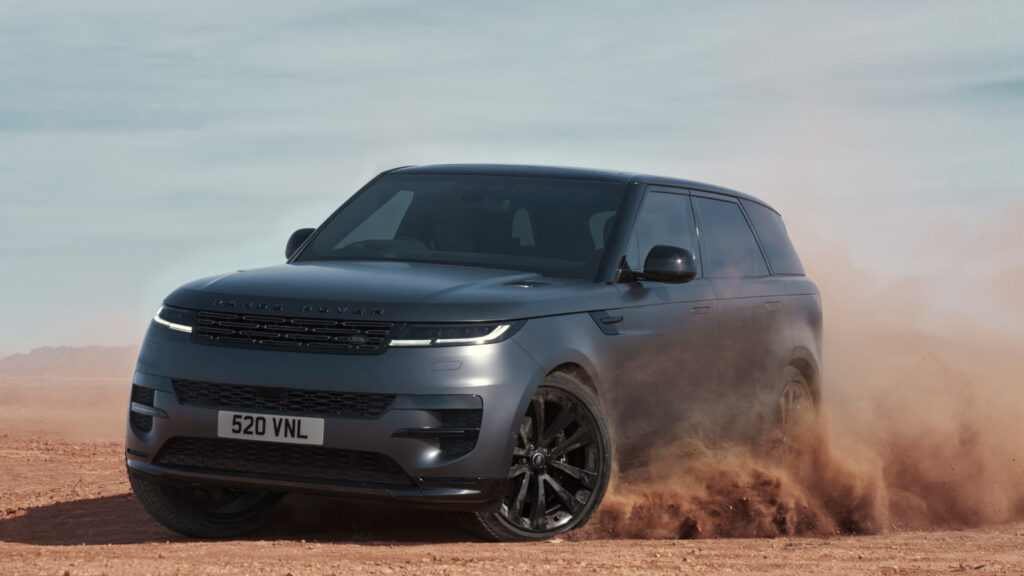
In real UAE driving, a mild hybrid feels just like a petrol car. The system works in the background and offers a small improvement in efficiency.
Examples in the UAE:
Best suited for:
- Highway commuters
- Buyers upgrading from petrol cars
- Luxury car buyers
What is a strong hybrid (HEV)?
A strong hybrid, also called a full hybrid, can drive on electric power alone for short distances, especially in traffic.
How it works:
- An electric motor powers the car at low speeds
- Petrol engine supports at higher speeds
- System switches automatically
- No external charging required
This makes it one of the most practical options for UAE driving conditions.
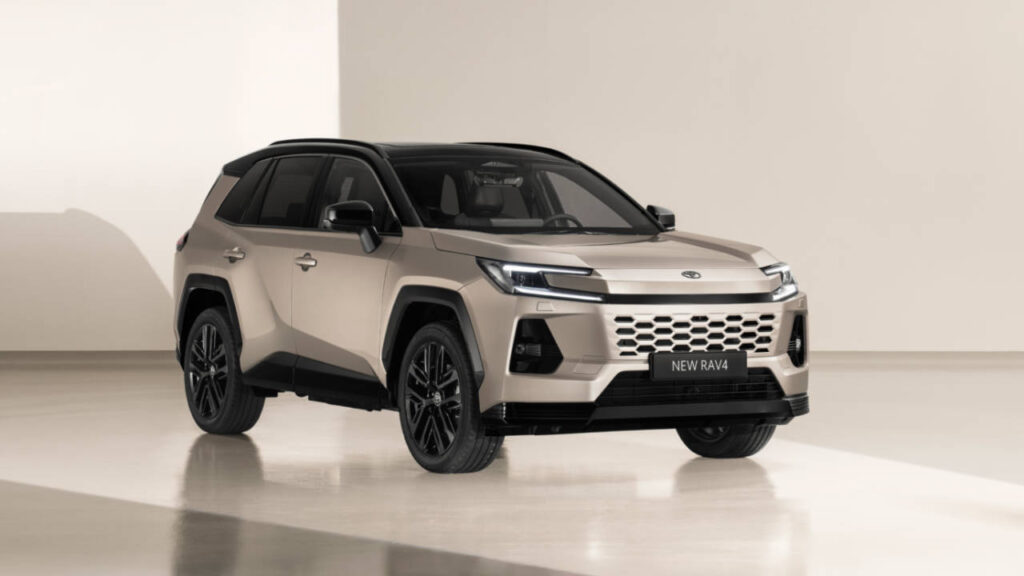
Examples in the UAE:
Best suited for:
- Daily commuters
- City driving
- Families looking to reduce fuel costs
What is a plug-in hybrid (PHEV)?
A plug-in hybrid (PHEV) is a step closer to a fully electric car. It has a larger battery than a strong hybrid and can drive longer distances using only electricity.
How it works:
- Can run on electric-only mode for daily trips
- Petrol engine supports for longer journeys
- Requires external charging
- Can switch between EV and hybrid modes
In UAE conditions, a PHEV can significantly reduce fuel use if charged regularly. Short daily drives can often be completed without using petrol at all.
Examples in the UAE:
Best suited for:
- Buyers with home charging
- Short daily commutes
- Those wanting EV-like driving without full commitment
What is an extended-range electric vehicle (EREV)?
An extended-range electric vehicle (EREV) is different from a PHEV. It runs mainly on electricity, and the petrol engine acts only as a generator.
How it works:
- An electric motor drives the wheels
- A petrol engine generates electricity
- Requires charging for best performance
- Focus on electric-first driving
It feels very similar to an electric car but offers a petrol backup for longer journeys.

Examples in the UAE:
Best suited for:
- Tech-focused buyers
- Drivers with charging access
- Those transitioning to EVs
How do these hybrid types compare in real UAE driving?
Each hybrid system performs differently depending on how you drive.
Quick comparison:
- Mild hybrid → Small fuel savings, best for highways
- Strong hybrid → Best fuel efficiency in city driving
- EREV → Electric driving with petrol backup
For UAE buyers, traffic conditions play a major role. Strong hybrids usually deliver the best real-world savings because they make the most of stop-start driving.
Which hybrid type is the smartest choice right now?
Choosing the right hybrid depends on your daily routine and access to charging.
What to consider:
- Mostly highway driving → Mild hybrid
- Heavy city traffic → Strong hybrid
- Short drives + charging access → EREV
In the current fuel situation, strong hybrids offer the best balance. They reduce fuel costs without requiring any behaviour change.
Are hybrid cars worth buying during the UAE fuel crisis?
Hybrid cars are no longer just an alternative; they are becoming a practical solution. With fuel prices influenced by global events, buyers are focusing more on long-term savings than upfront cost.
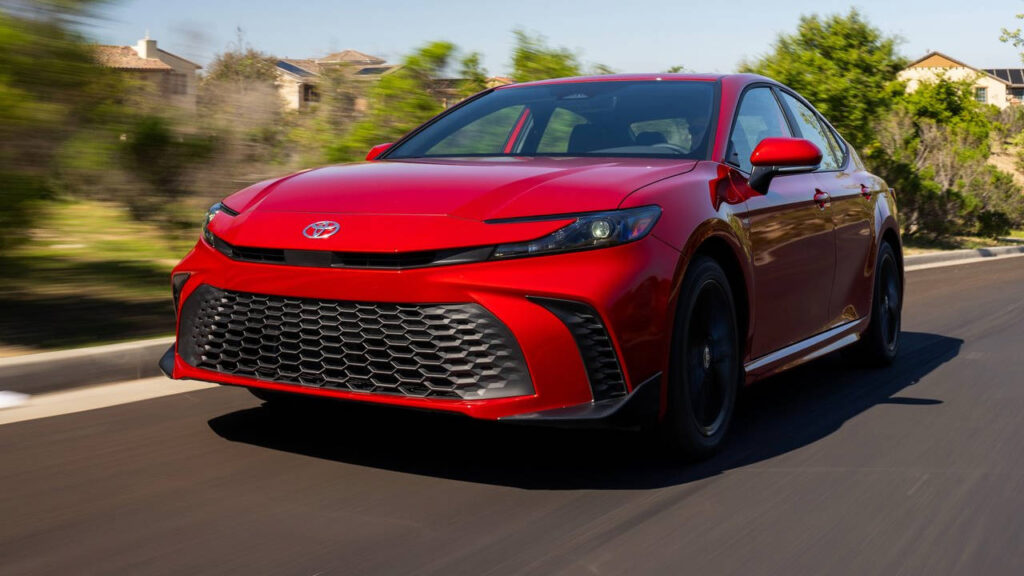
Why hybrids make sense now:
- Lower monthly fuel expenses
- Better efficiency in daily driving
- No major lifestyle changes required
- Increasing availability across segments
Strong hybrids stand out as the most practical choice today. They deliver consistent fuel savings, are easy to own, and suit UAE driving conditions well. Mild hybrids offer smaller gains, while EREVs are ideal for buyers ready to move towards electric driving.
Is Hybrid The Future?
Hybrid cars are becoming increasingly important in the UAE as buyers look for smarter ways to manage fuel costs. Understanding the difference between mild hybrids, strong hybrids, and EREVs helps you choose a car that truly fits your lifestyle.
For most UAE drivers, strong hybrids offer the best mix of efficiency, convenience and value. Mild hybrids suit those who want simplicity, while EREVs represent a step towards the future of electric mobility. Choosing the right type is no longer just about technology; it is about making a smarter financial decision in today’s market.
Find the best used cars for sale in the UAE.
Stay tuned to UAE’s most popular auto blog for more information about the latest happenings in all of the Emirates.
FAQs
What are the different types of hybrid cars?
There are four main types: mild hybrid (MHEV), strong hybrid (HEV), plug-in hybrid (PHEV), and extended-range electric vehicle (EREV), each offering different levels of electric driving and fuel efficiency.
Which hybrid type is best for UAE driving?
Strong hybrids (HEV) are best for most UAE drivers. They offer excellent fuel savings in traffic, require no charging, and suit daily commuting conditions across cities.
What is the difference between PHEV and EREV?
A PHEV uses both engine and motor to drive wheels, while an EREV runs mainly on electricity, with the petrol engine acting as a generator.
Do hybrid cars need charging in the UAE?
Mild and strong hybrids do not need charging. PHEVs and EREVs require charging to achieve maximum fuel efficiency and performance.
Are hybrid cars worth buying in the UAE right now?
Yes, hybrids are worth buying due to rising fuel prices. They reduce fuel costs, improve efficiency, and offer a practical alternative without fully switching to electric vehicles.
Follow us on

Recent Stories
Complete Guide On How To Place Requests With RTA In Dubai
Dubai’s Roads and Transport Authority (RTA) manages roads, public transport, vehicle and driving services across the emirate. Residents and visitors...
How To Get The Best Car Loan Interest Rate In The UAE For Used & New Cars
Getting the lowest possible car loan rate in the UAE is not just about finding the bank advertising the smallest...
Is It Safe To Sleep In A Car? Risks and Safety Tips
Long drives, road trips and late-night journeys can leave drivers feeling exhausted. In those situations, pulling over for a short...
A Complete Guide To RTA Bus On-Demand Service In Dubai
Dubai’s public transport network continues to expand, and the RTA Bus On Demand service is becoming an increasingly useful option...
Top 10 Cars To Rent In The UAE
Renting a car is one of the easiest ways to travel across the UAE. From affordable daily commuters to luxury...
A Detailed Guide On How To File An Accident Report In The UAE Across Emirates
Being involved in a car accident can be stressful, even when the damage is minor. In the UAE, you must...