
Can You Own An EV In Dubai Without Home Charging?
 September 23, 2026
, 6 Min Read
September 23, 2026
, 6 Min Read
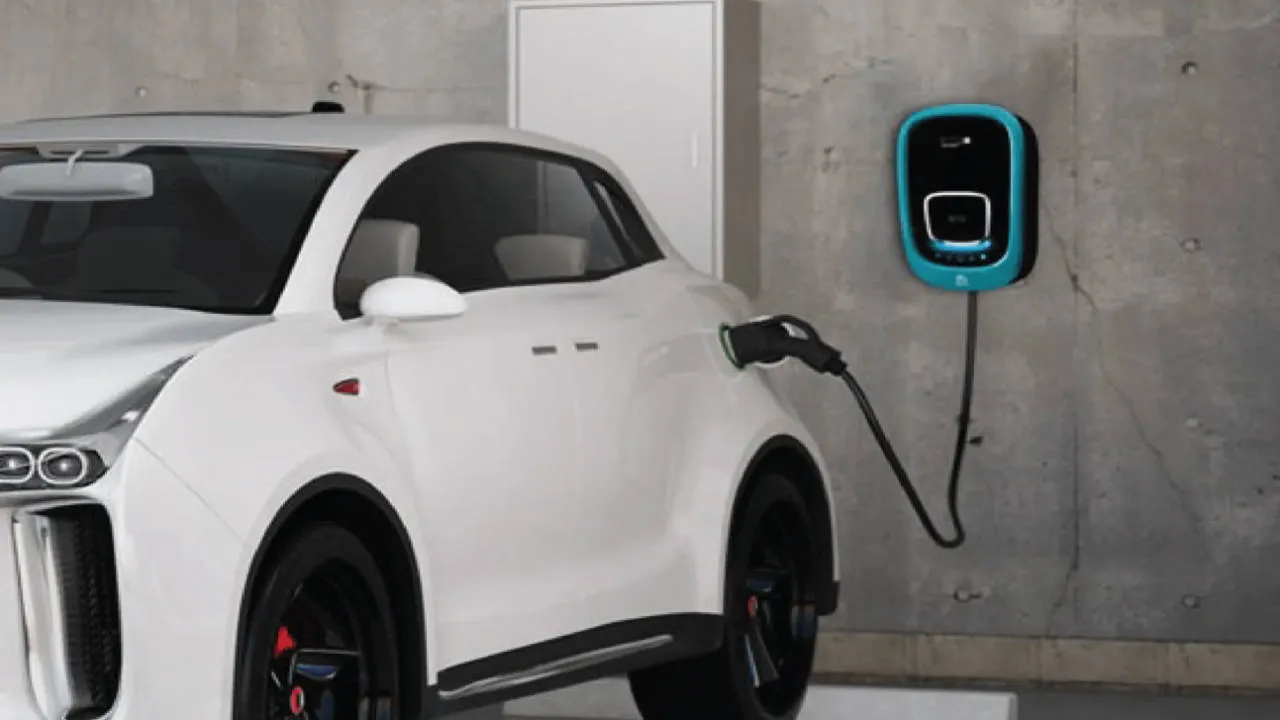
Electric cars are becoming easier to own in Dubai thanks to longer ranges and a growing charging network. But can you realistically own one without charging at home?
 AI Quick Summary
Dubai's rapidly expanding public EV charging network, spanning workplaces, malls, and public parking, makes owning an electric car without a home charger increasingly feasible. While convenience hinges on daily mileage and integrating charging into one's routine, public charging involves varying costs and often requires factoring in parking fees. This reliance on public infrastructure is a key consideration, especially for apartment dwellers facing complexities with home charger installation.
This summary was generated by AI using this article’s content.Read Next


Yes, but convenience depends on your daily mileage, where you live and work, and whether charging fits into your routine. Our UAE electric car buying guide covers the main factors to consider before buying an EV.
EV Charging Infrastructure In Dubai
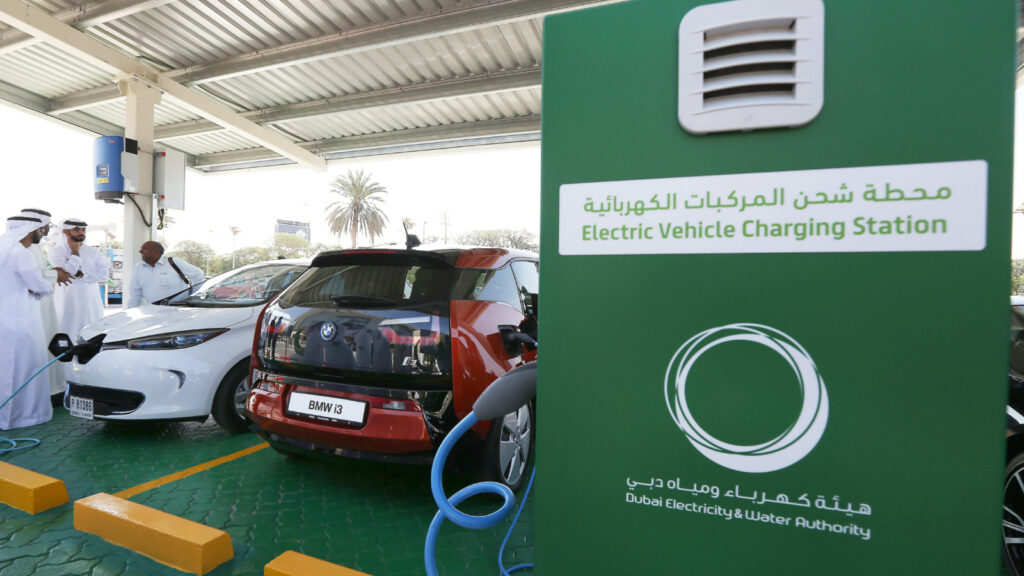
Dubai had more than 2,200 EV charging points by the end of Q1 2026. Our guide to EV charging stations in the UAE explains the major networks, charger types and ways to find them.
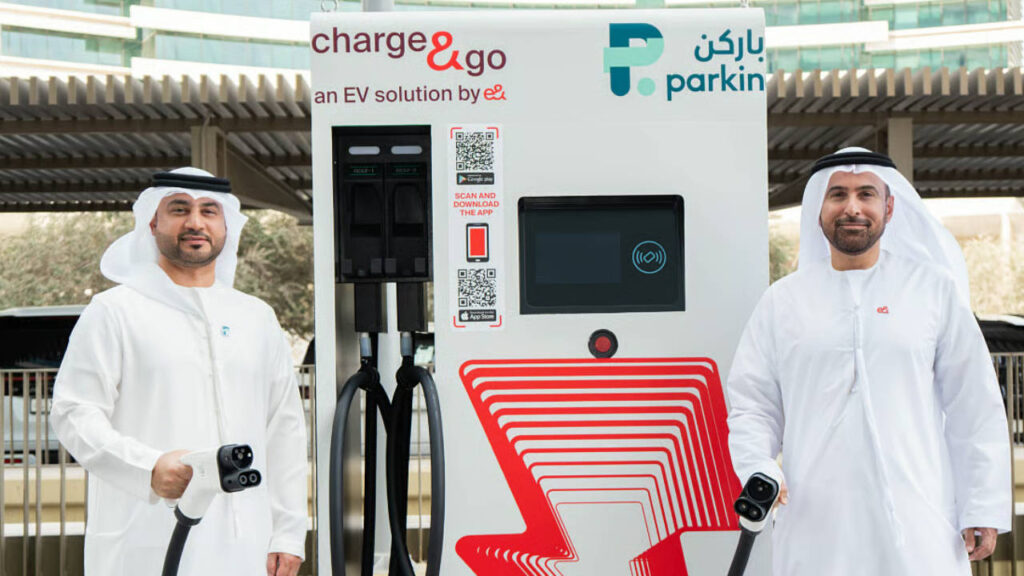
The network is still expanding. Parkin and charge&go announced 200 ultra-fast EV chargers across Dubai, while the DEWA-Parkin programme is adding new EV charging stations in Dubai, including high-density residential areas.
What Charging Options Are Available Without Home Charging?
Drivers without a private charger can use public AC chargers, DC fast and ultra-fast chargers, workplace chargers, destination chargers at malls and hotels, public parking chargers and compatible Tesla Superchargers.
The easiest strategy is to charge where you already park. Charging while working, shopping or exercising is far more convenient than making a separate trip just to recharge.
What Types Of EV Chargers Are Available?
Public AC chargers commonly provide up to around 22kW and suit longer parking periods. DEWA fast chargers can provide around 50kW, while newer ultra-fast stations can offer 150kW or more.
Actual charging speed depends on the EV, battery temperature, state of charge and charger output.
How Much Does Public EV Charging Cost?
Dubai’s regulated rates are AED 0.70/kWh for AC and AED 1.20/kWh for DC before VAT. Including VAT, that is AED 0.735/kWh and AED 1.26/kWh respectively.
Read more about EV charging prices in the UAE.
Using 20,000km a year, or about 1,670km per month, as a practical ownership example, and an EV consuming around 18kWh/100km, monthly energy use would be roughly 300kWh.
| Charging Pattern | Approx. Monthly Cost |
| Public AC only | AED 221 |
| 70% AC + 30% DC | AED 268 |
| 50% AC + 50% DC | AED 299 |
| Public DC only | AED 378 |
These figures exclude parking, idle fees and other operator charges. Drivers relying mainly on fast charging should also consider wider EV vs petrol car ownership costs.
Do You Pay For Parking While Charging?
Often, yes. Using an EV charger does not automatically make parking free.
Normal parking charges can apply, while some operators may charge idle or overstay fees if the vehicle remains connected after charging is complete.
Can You Install A Home Charger In Dubai?
Yes, but the process depends on the property and whether its electrical system can support the additional load.
For a villa, installation is usually simpler because the parking space and electricity connection are part of the same property. An approved electrical contractor should first check the available load, wiring and distribution board before installing the charger.
Apartments can be more complicated, particularly in older buildings. The usual process involves:
- Getting approval from the building owner, management or owners’ association.
- Asking an approved electrical contractor or consultant to inspect the site.
- Checking available electrical load, wiring capacity, parking location and the cable route.
- Preparing any required electrical or civil-work plans.
- Obtaining relevant building NOCs or electricity approvals where required.
- Installing and commissioning the charger through the approved contractor.
Whether installation is possible depends on the building’s age, spare electrical capacity, distribution-board limits, assigned parking location, and how difficult it is to route cables safely to the parking bay.
Newer buildings designed with EV charging or EV-ready infrastructure from the construction stage are generally easier to work with. Retrofitting an older apartment building may be expensive or may not be approved if the existing system cannot safely handle the extra demand.
What Rules And Regulations Apply?
EV charger installations in Dubai must meet applicable electrical, safety and building requirements.
Approved contractors should complete installations, while modifications to common areas or electrical systems may require building approval, NOCs, or relevant electricity approvals.
Public charge point operators also need the required approvals to operate charging infrastructure. Newer public AC chargers commonly use Type 2 connectors, while CCS2 is widely used for DC fast charging.
Avoid unsafe charging arrangements, such as running extension leads from apartments or using unsuitable sockets in parking areas.
Imported EV buyers should also check connector compatibility. Our GCC-spec vs imported cars guide covers other factors buyers should consider.
How Often Would You Need To Charge?
Many modern EVs claim around 400km to 600km of range, although real-world range varies with speed, traffic, temperature and air-conditioning use.
A driver covering around 40km daily may need only one or two charging sessions per week. Someone travelling 100km daily will need to charge more frequently.
These tips to maximise your EV’s range can help reduce charging frequency.
What About Dubai-Abu Dhabi Commuters?
A Dubai-Abu Dhabi return trip can exceed 250km depending on the route.
A long-range EV can handle it, but without home or workplace charging, frequent commuters may need fast charging several times each week.
Workplace Charging Can Change Everything
Workplace charging can almost remove the need for a home charger.
Even an AC charger can add significant range while the car remains parked through the workday. For apartment residents, checking workplace charging availability before buying an EV can make a major difference.
What About Dubai’s Summer Heat?
High temperatures and heavy air-conditioning use can increase energy consumption and reduce real-world range.
Modern EVs use thermal management systems, but extreme heat can still affect efficiency, charging performance and battery ageing.
Read more about how UAE summer heat affects EV and hybrid batteries.
These tips to increase the battery life of an electric car also explain useful long-term charging practices.
Can You Use DEWA Chargers Without An Account?
Yes. DEWA offers Guest Mode, allowing users to scan the charger’s QR code, enter the required details and pay digitally.
The charging map can also help drivers check the status of supported chargers before travelling.
Who Is Public-Only EV Ownership Best For?
It works best for drivers covering around 20km to 60km daily, those with workplace charging, or anyone who regularly parks at locations with chargers.
It becomes harder for drivers covering more than 100km daily, frequently travelling between emirates or having no reliable charger near home or work.
Should You Buy An EV Without Home Charging In Dubai?
Yes, you can own an EV in Dubai without home charging. The key is whether reliable charging exists along your normal routine.
Before buying, work out where you will charge, what charger type is available and what that routine is likely to cost each month.
If charging fits naturally into places where you already park, living without a home charger becomes much easier.
Find the best electric cars for sale in the UAE.
Stay tuned to the UAE’s most popular auto blog for more on the latest happenings across the Emirates.
Follow us on

Recent Stories
Bentley Torcal Revealed: First Electric Bentley Produces 876hp & An Unusual Soundtrack
Bentley has revealed the Torcal, its first fully electric car. The five-metre SUV becomes the brand’s fourth model line and...
Toyota Land Cruiser LC200 vs LC300: Which Should You Buy In The UAE?
The Toyota Land Cruiser LC300 replaced the LC200 in 2021, ending a generation that had been on sale for almost...
CEER EXOBOT Sedan & SUV Revealed: Saudi EVs With Up To 1,111hp
Saudi Arabia’s national automotive brand CEER has officially revealed the EXOBOT Sedan and EXOBOT SUV, its first production vehicles. The...
Complete Guide On How To Place Requests With RTA In Dubai
Dubai’s Roads and Transport Authority (RTA) manages roads, public transport, vehicle and driving services across the emirate. Residents and visitors...
How To Get The Best Car Loan Interest Rate In The UAE For Used & New Cars
Getting the lowest possible car loan rate in the UAE is not just about finding the bank advertising the smallest...

Tesla Model X Conquers A Proper 4×4 Trail: But Could It Survive The Desert?
A Tesla Model X Plaid has completed five increasingly difficult off-road challenges, proving that 1,020hp, intelligent all-wheel drive, and a...