
Top Hybrid Cars Launching In 2026
 January 6, 2026
, 6 Min Read
January 6, 2026
, 6 Min Read
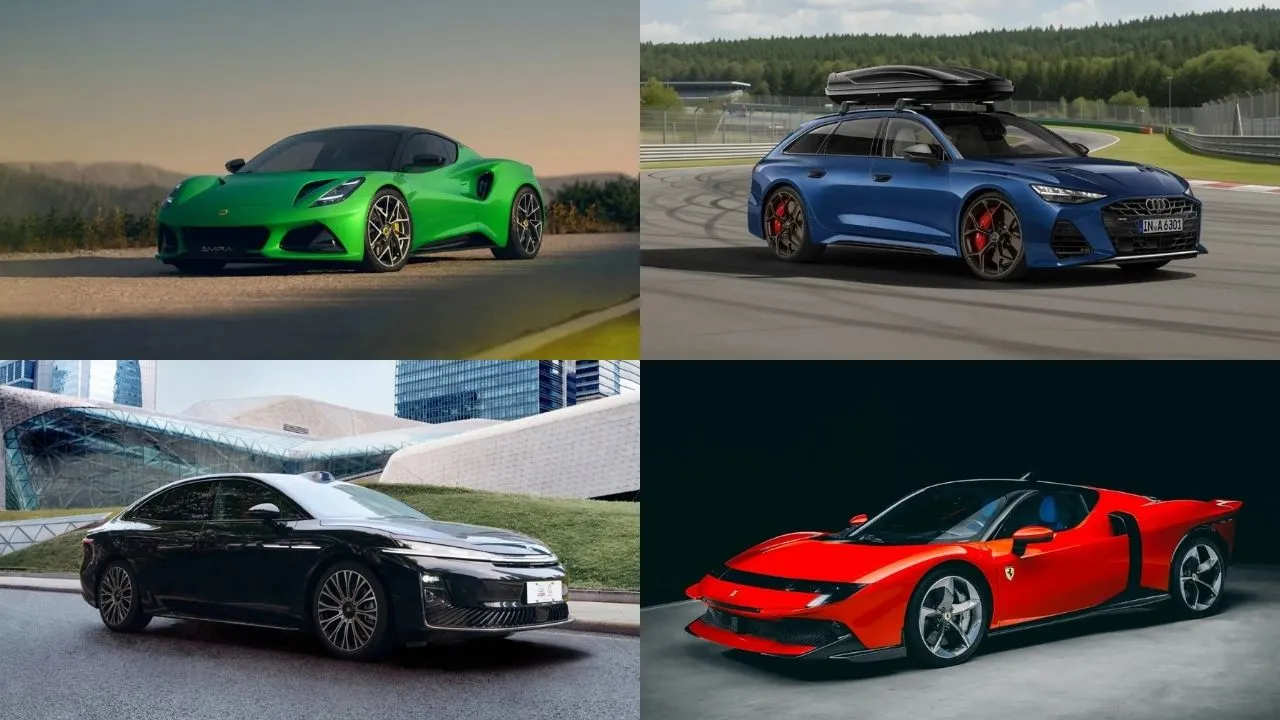
Hybrid technology is expected to dominate 2026’s automotive landscape as manufacturers across every segment prepare to unleash hybrid powertrains rivalling pure petrol alternatives in both efficiency and performance.
 AI Quick Summary
Hybrid technology is expected to dominate the 2026 automotive landscape, with manufacturers introducing new hybrid powertrains designed to match pure petrol alternatives in both efficiency and performance. This trend is set to span across all vehicle segments, from practical family sedans to high-performance hypercars, showcasing a wide array of new models like the Omoda 7, Toyota Camry Hybrid, Porsche 911 GT2 RS, and GWM V8 Hybrid Supercar.
This summary was generated by AI using this article’s content.Read Next

From practical family sedans to anticipated track-ready hypercars, this year’s expected hybrid lineup promises to blend battery innovation with turbocharged combustion engineering. Here are fifteen vehicles rumoured or officially announced to arrive in 2026.
Omoda 7
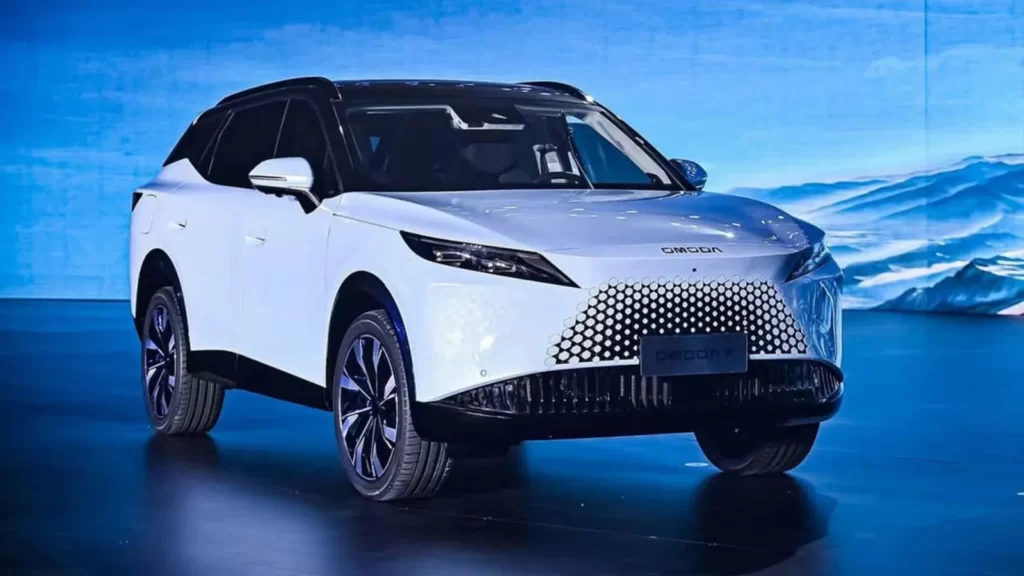
Chery’s SHS Super Hybrid System is set to unite a 1.5-litre turbocharged four-cylinder with an electric motor producing 345 hp. Reported specifications include 90 km electric range and 1,200 km combined, with rapid 30–80 per cent charging in 20 minutes. Expected features: all-wheel drive, 15.6-inch sliding infotainment, and 639-litre boot—here are more details.
Find the best Omoda cars for sale in the UAE.
2027 Toyota Camry Hybrid
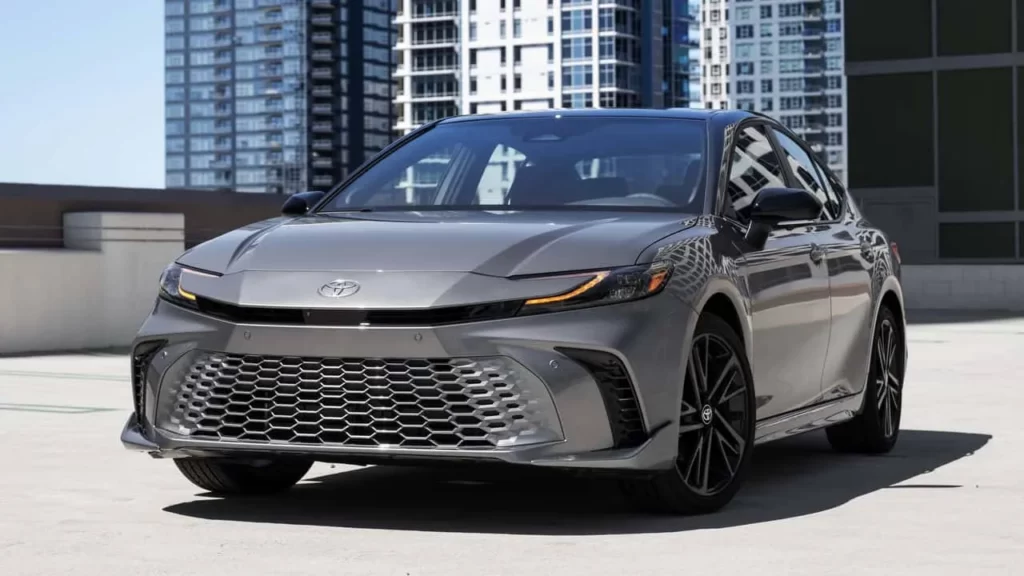
Toyota’s anticipated fifth-generation hybrid system is expected to make the entire Camry lineup hybrid-exclusive. Expected power outputs: 225 hp (front-wheel drive) or 232 hp (all-wheel drive). Anticipated fuel economy reaches approximately 7.2 litres per 100 km combined, positioning this as an efficiency-focused family sedan. Read more about the previous generations of Camry here.
Find the best Toyota Camry cars for sale in the UAE.
2027 Alfa Romeo Stelvio
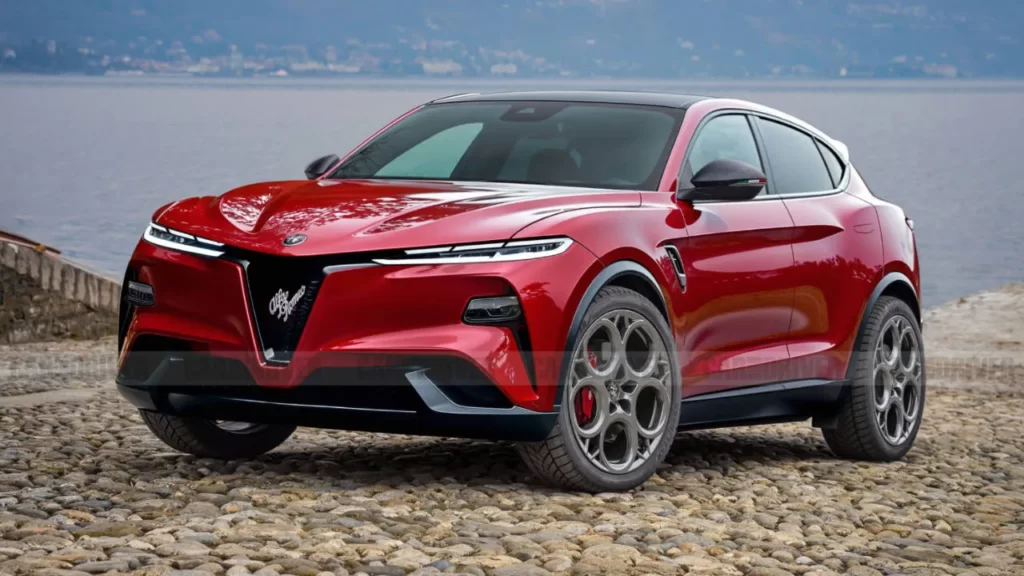
The next-generation Stelvio is rumoured to transition to Stellantis’s larger STLA Large platform with hybrid variants pairing a 3.0-litre Hurricane inline-six with electric motors, reportedly exceeding 420 hp. Expected features include modernised interior technology and enhanced autonomous driving capability with Alfa’s signature performance chassis tuning.
Find the best Alfa Romeo Stelvio for sale in the UAE.
GWM V8 Hybrid Supercar
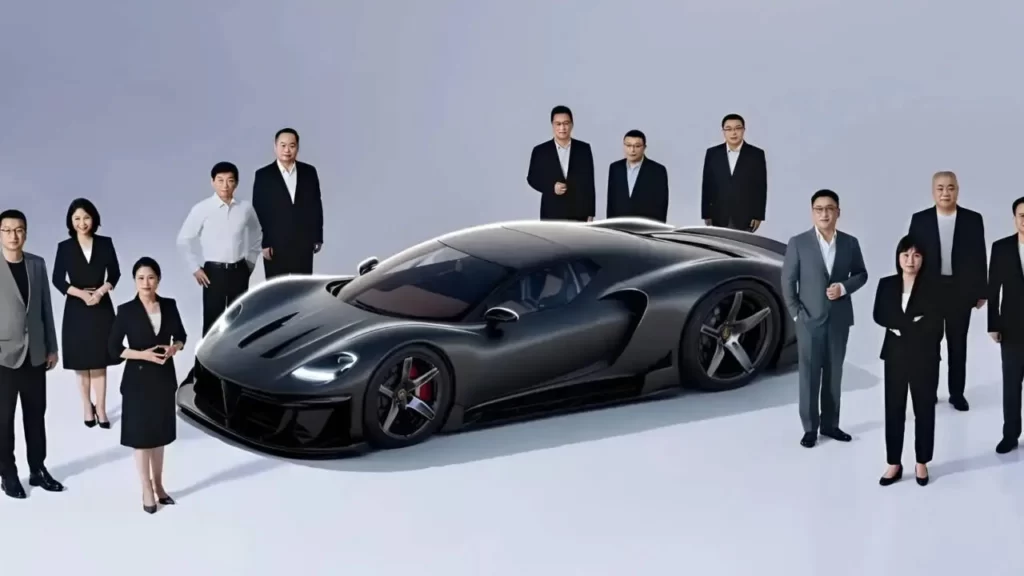
Great Wall Motor’s debut supercar is expected to merge a self-developed 4.0-litre twin-turbocharged V8 with multiple electric motors, targeting approximately 900+ hp combined. Rumoured to utilise a 3.8 kWh battery for enhanced torque response. Engineering benchmarks suggest competition with Ferrari’s SF90 Stradale positioning—check this linked article for more details on the new supercar.
Find the best GWM cars for sale in the UAE.
Aito M9
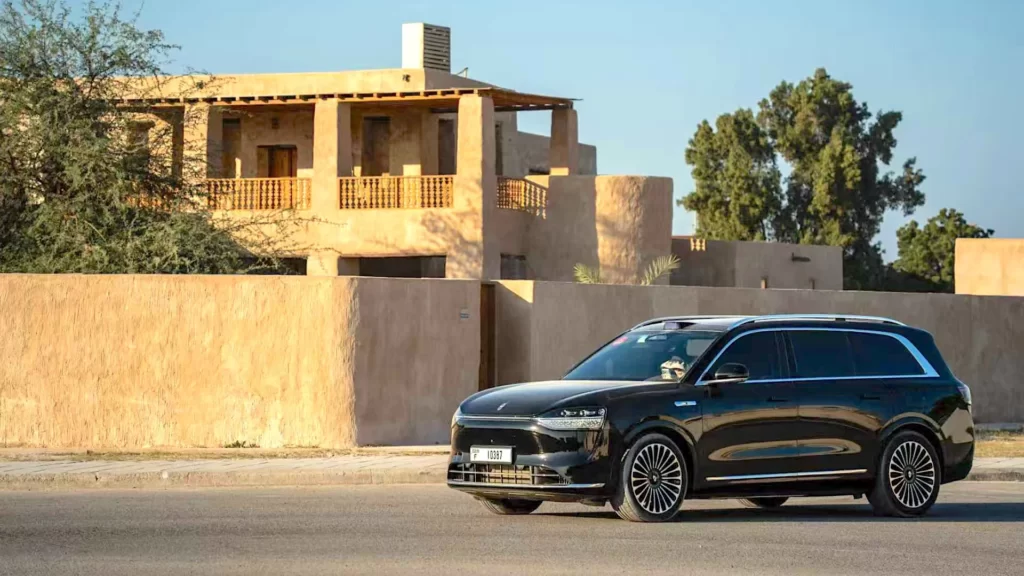
Aito’s dual-motor extended-range architecture is reported to produce 496 hp across 165 KW front and 200 KW rear electric motors with a 1.5-litre turbocharged range-extender. The 52 kWh battery is expected to enable 266–290 km pure electric range and 1,417–1,474 km combined CLTC total. Anticipated 4.9-second 0–100 km/h acceleration with six-seater luxury accommodation.
Find the best Aito M9 for sale in the UAE.
GAC Hyptec A800
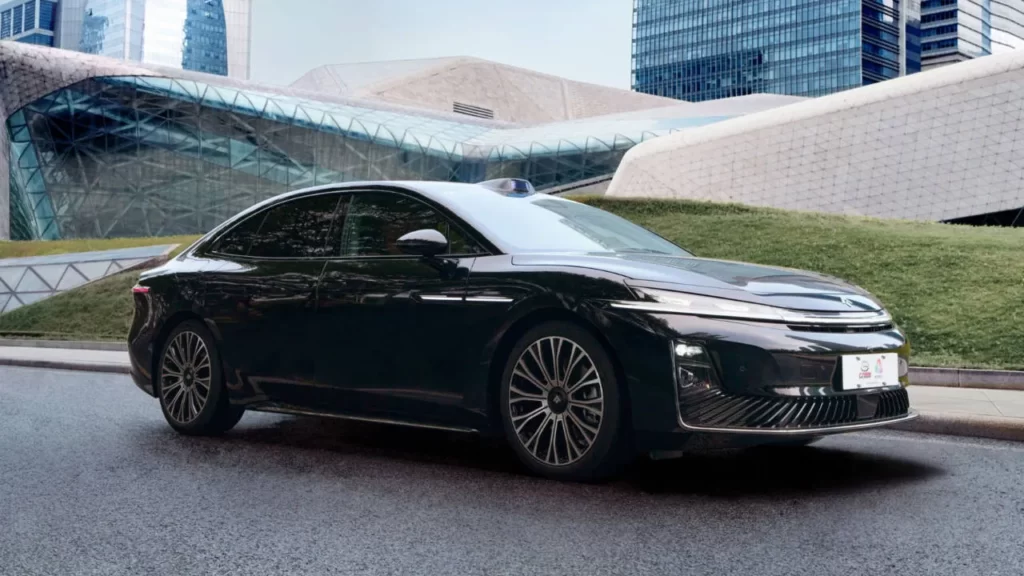
GAC’s anticipated luxury extended-range sedan is expected to pair a 1.5-litre turbocharged engine with an electric motor delivering 178 km WLTC pure electric range and 1,200+ km combined. Rumoured to feature Huawei’s Qiankun ADS 4.0 Level 3 autonomous driving with lidar and 34 sensors. Expected interior: 27-inch AR head-up display and 6,536 millimetre ambient lighting strip.
Find the best GAC cars for sale in the UAE.
2027 Volvo XC90 Plug-in Hybrid
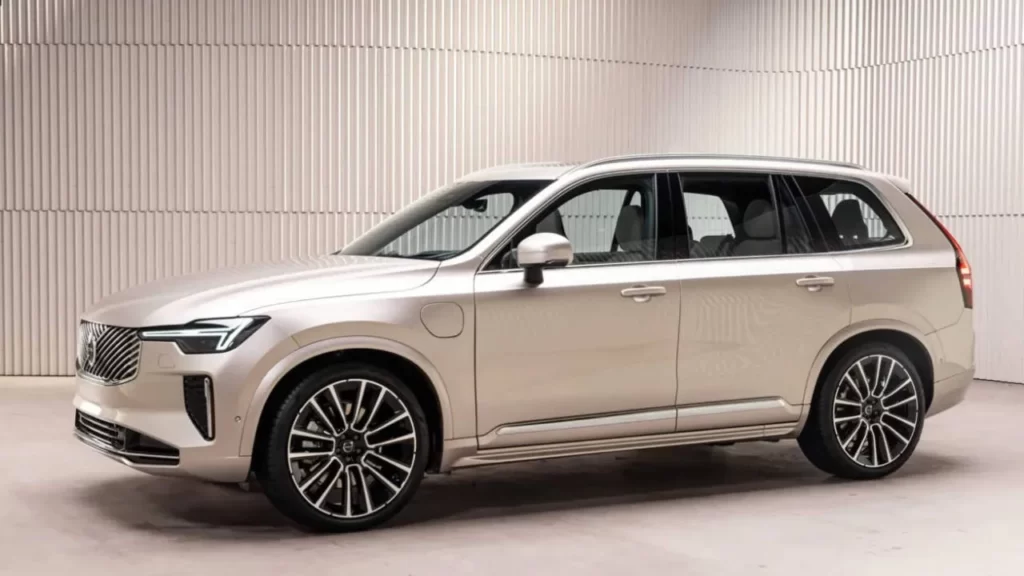
Volvo’s flagship luxury SUV is expected to combine a 2.0-litre turbocharged four-cylinder with a rear-mounted electric motor producing approximately 455 hp and 710 newton-metres torque. Anticipated battery: 14.7 kWh providing 51 km electric range and 760 km total distance with approximately 8.7 litres per 100 km efficiency. Expected a six or seven-seater configuration with Scandinavian design language.
Find the best Volvo XC90 for sale in the UAE.
New Lexus LFA
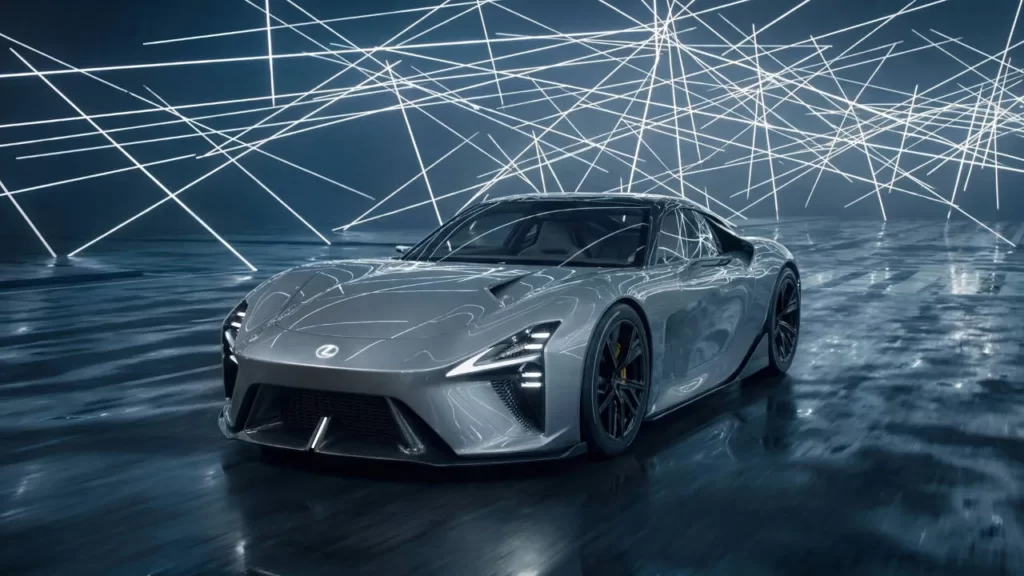
Lexus is expected to reintroduce the LFA nameplate as an all-electric battery-powered supercar concept, rumoured to share lightweight aluminium frame architecture with the GR GT and GR GT3 racing vehicles. This anticipated performance-focused two-seater is expected to emphasise emotional driving feel and regenerative braking responsiveness, though powertrain specifications remain unconfirmed.
Find the best New Lexus cars for sale in the UAE.
Lotus Emira Hybrid
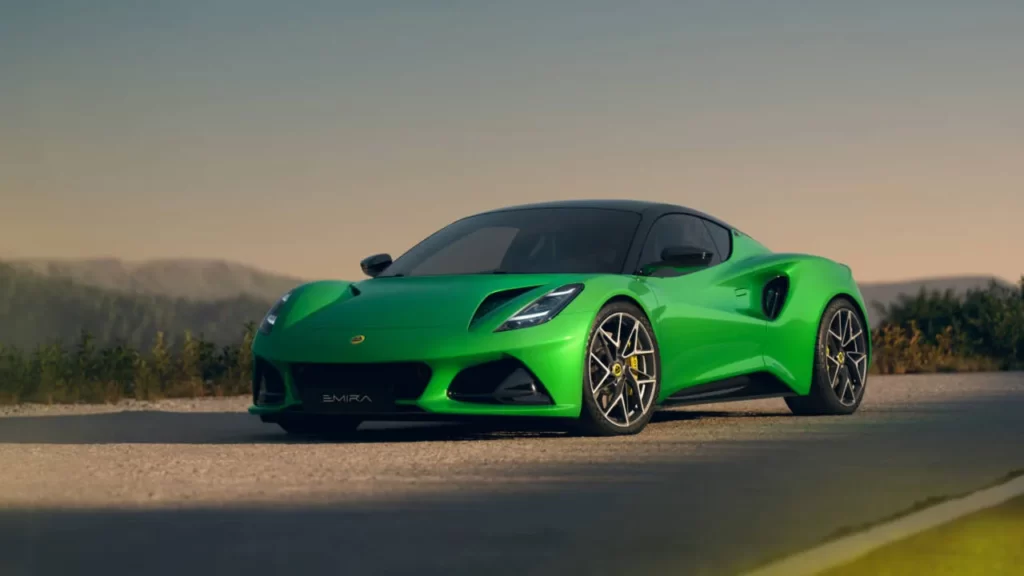
Lotus’s revised sports car strategy is expected to embrace plug-in hybrid technology with Mercedes-sourced powertrains combined with Hyper Hybrid electrification. The anticipated hybrid Emira reportedly delivers approximately 1,094 km total range with rapid charging capability. Mid-engine sports car proportions are expected to be preserved with modern electronic assists and contemporary infotainment.
Find the best Lotus cars for sale in the UAE.
2027 Audi RS6 Avant
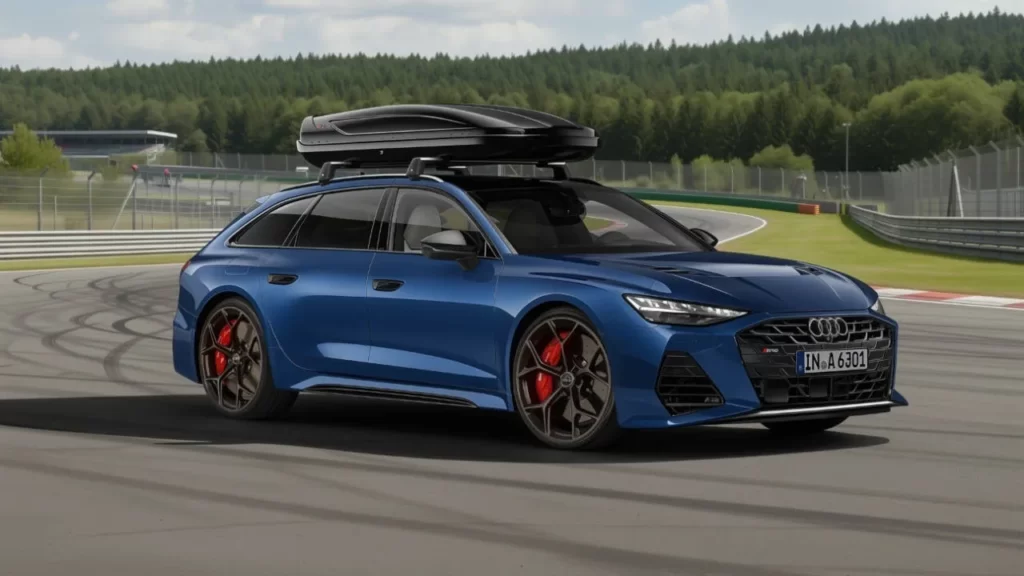
Audi’s high-performance estate is expected to embrace electrification with both plug-in hybrid and fully electric variants. The anticipated hybrid version is rumoured to pair a 4.0-litre twin-turbocharged V8 with electric motors producing 730+ hp, expected to achieve approximately 3.2 seconds 0–100 km/h acceleration. Carbon-ceramic braking and active suspension technology are anticipated.
Find the best Audi RS6 Avant for sale in the UAE.
2027 Toyota RAV4

Toyota’s anticipated fifth-generation hybrid system is expected to apply across the entire RAV4 lineup. Expected power: 226 hp (front-wheel drive) or 236 hp (all-wheel drive), with plug-in variant rumoured at 324 hp and 80 km electric range. Anticipated fuel economy: 6.8 litres per 100 km (hybrid) and 7.1 litres per 100 km (plug-in).
Find the best Toyota RAV4 for sale in the UAE.
Porsche 911 GT2 RS (992.2)
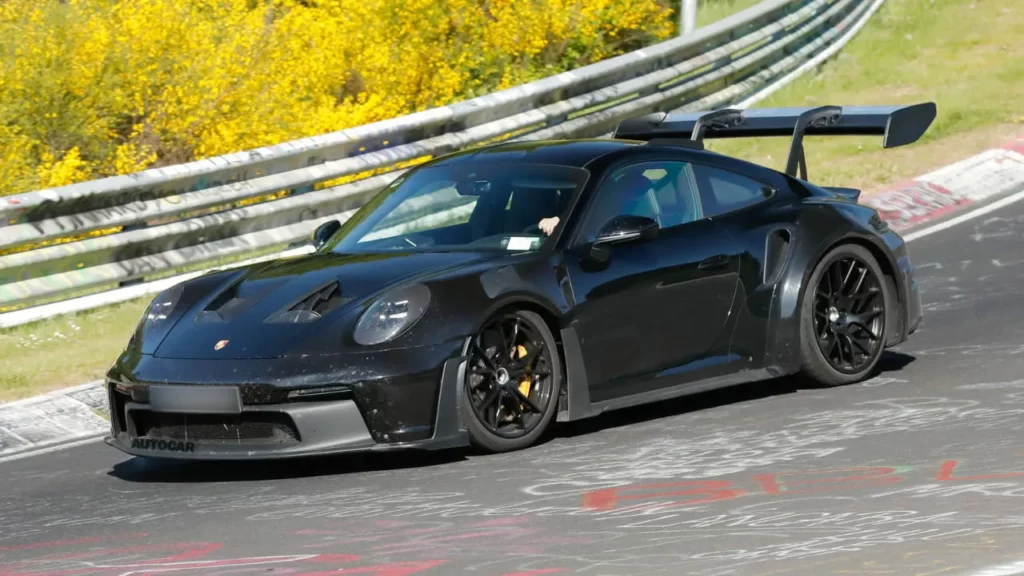
Porsche’s next-generation performance 911 is expected to pair a 3.6-litre twin-turbocharged flat-six with an integrated T-Hybrid system inspired by the 963 race car, rumoured to produce over 700 hp with potential approaching 800. The anticipated single-turbo hybrid architecture is expected to deliver instant torque response whilst preserving traditional driving engagement with a seven-speed PDK and rear-wheel drive.
Find the best Porsche 911 for sale in the UAE.
Ferrari 849 Testarossa
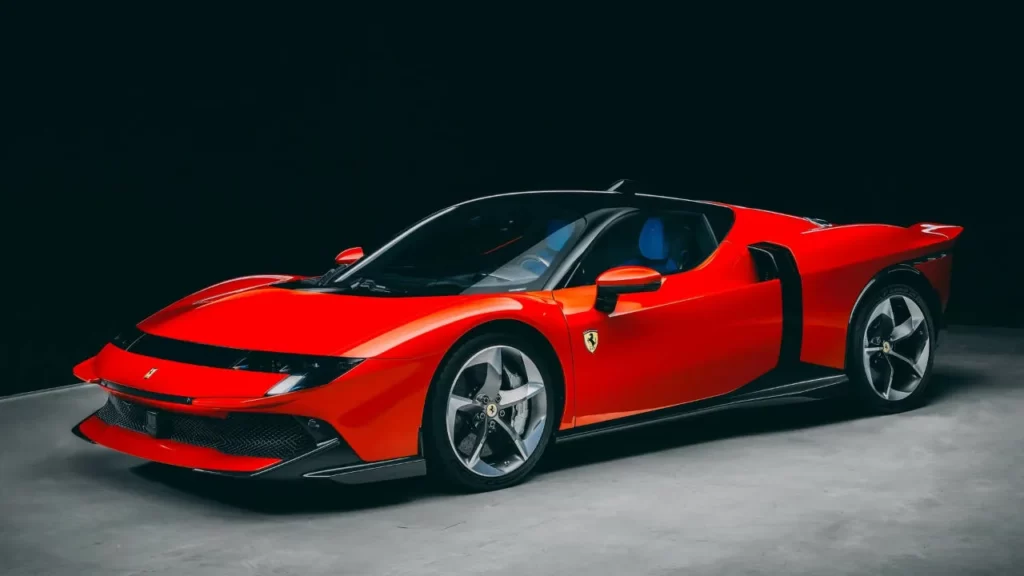
Ferrari’s anticipated hypercar successor is expected to deploy a 4.0-litre twin-turbocharged V8 producing 830 hp supplemented by three electric motors generating 220 hp combined system output of 1,050 hp. The 7.45 kWh battery is rumoured to enable 25 km pure electric driving. Expected 2.25-second 0–100 km/h acceleration and 330+ km per hour top speed capability.
Find the best Ferrari cars for sale in the UAE.
Aston Martin Valhalla
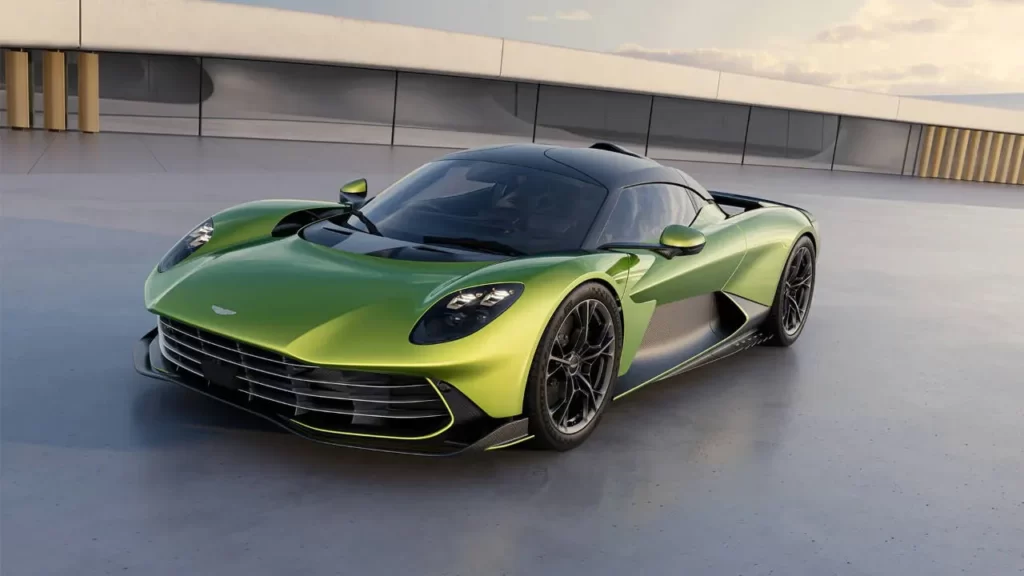
Aston Martin’s anticipated first series-production mid-engine supercar is expected to pair a 4.0-litre twin-turbocharged flat-plane-crank V8 producing 828 hp with three electric motors contributing 251 hp for a combined output of 1,064 hp and 1,100 Nm torque. The 6.1 kWh battery is rumoured to enable 14 km pure electric driving with Formula 1-inspired suspension and 600+ kilogrammes of downforce.
Find the best Aston Martin cars for sale in the UAE.
2026’s anticipated hybrid automotive landscape represents transformational electrification across family sedans, performance estates, and hypercars. These fifteen expected vehicles demonstrate hybrid technology’s expanding role as a performance standard rather than an environmental compromise.
Specifications remain subject to official confirmation from manufacturers. This roster showcases anticipated diversity from practical commuters to track-focused machines, confirming hybrid’s position as the automotive industry’s defining propulsion technology for the coming decade.
Find the best cars for sale in the UAE.
Stay tuned to UAE’s most popular auto blog for more information about the latest happenings in all of the Emirates.
Follow us on

Recent Stories

Top 10 Sleeper Cars In The UAE: Fast Cars That Fly Under the Radar
Some of the fastest cars on UAE roads do not necessarily look fast. That is where sleeper cars come in....
Top 10 Best Cars For Cross-Country Travel
Cross-country driving from the UAE can mean long motorway stretches through Saudi Arabia and Oman, mountain roads, gravel tracks and,...
Nissan Patrol Y62 vs Y63: Which Should You Buy In The UAE?
The Nissan Patrol Y63 replaced the hugely successful Y62 after more than a decade on the market. For UAE buyers,...
Jetour T8: All You Need To Know About The New Flagship SUV
Jetour is rapidly expanding its rugged SUV range, and the Jetour T8 is shaping up to become one of its...
Which Chinese Car Brands Has The Best Resale Value In The UAE?
Chinese cars are becoming increasingly common in the UAE. Buyers are no longer looking at them only because they are...
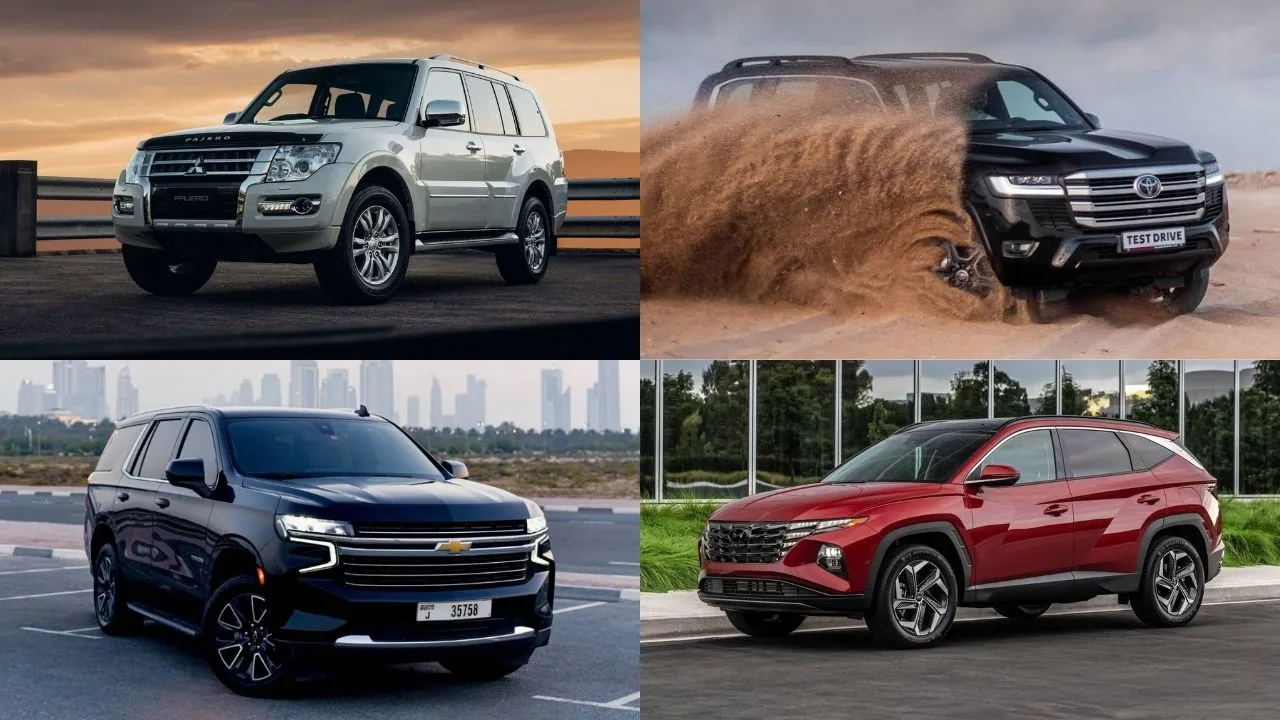
Top SUVs In UAE After 200,000KM—List Of Reliable SUVs
Buying an SUV with more than 200,000km on the clock can be a smart move in the UAE if you...