
UAE Car Market Shows Strong Signals of Return To Pre-Conflict Activity Levels, New Data Suggests
 August 14, 2026
, 9 Min Read
August 14, 2026
, 9 Min Read
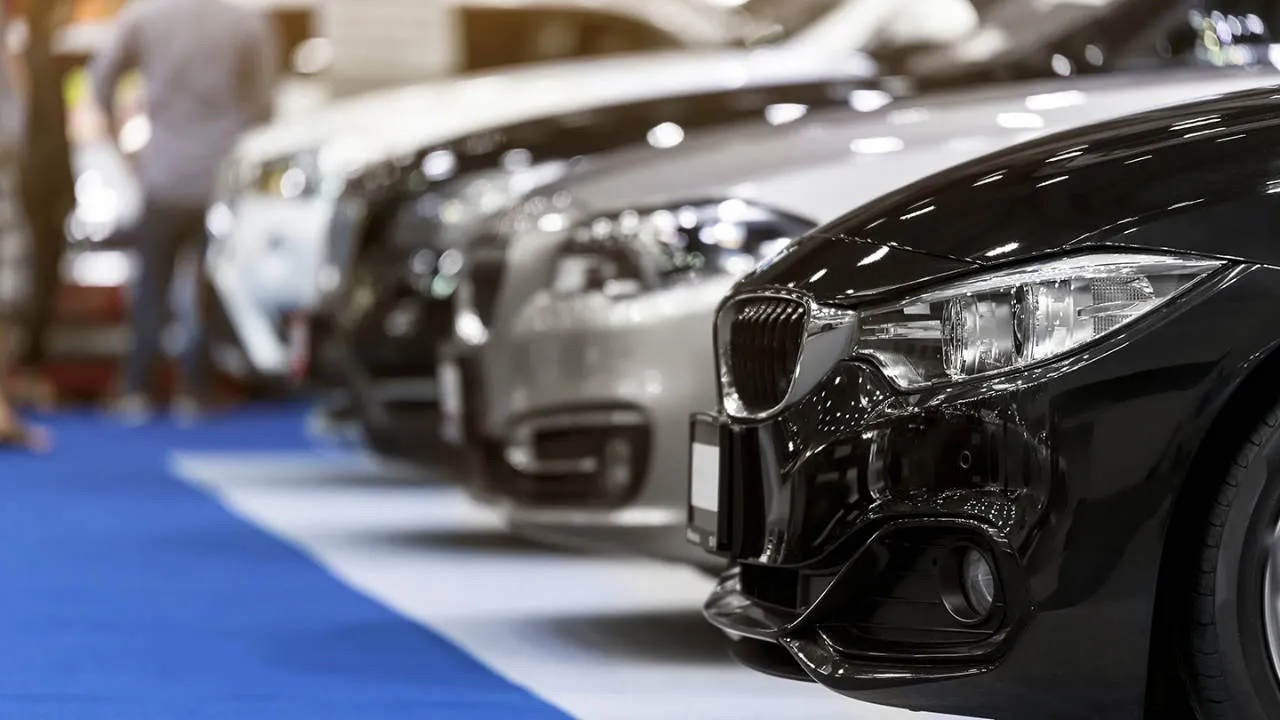
The UAE car market appears to have regained the momentum it lost during the 2026 crisis, with several indicators returning to or exceeding the levels recorded before the disruption. A joint analysis of automotive marketplace activity from DubiCars and dealership data from AlgoDriven shows that buyer demand, vehicle appraisals and overall search activity all recovered by June 2026.
 AI Quick Summary
The UAE car market experienced a strong recovery by June 2026, bouncing back from a significant decline in March following a crisis. A joint analysis by DubiCars and AlgoDriven shows that key indicators like buyer demand, dealership activity, and vehicle valuation interest have returned to or exceeded pre-conflict levels, signaling a broad market rebound. While financing activity is still catching up, the overall outlook suggests significant recovery in consumer and industry engagement.
This summary was generated by AI using this article’s content.Read Next

Some parts of the market might not have recovered at the same pace. However, when independent indicators across the purchase journey begin moving in the same direction, a clearer picture emerges: buyers are enquiring more, dealerships are valuing more vehicles, and cars appear to be moving through the market at rates comparable to those seen before the conflict.
UAE Car Market In H1 Of 2026: Key Takeaways
- Buyer demand recovered strongly: Overall demand increased by approximately 73% in June compared to March, finishing above February levels.
- UAE buyers returned: UAE-based demand rose by approximately 48% from its March low and ended June around 8% above February.
- Dealer activity recovered: AlgoDriven’s dealership activity index returned to, and even exceeded, its pre-conflict benchmark.
- Valuation interest surged: Usage of the DubiCars car valuation tool more than doubled compared to February.
- Financing yet to catch up: Bank loan numbers have improved, but have not yet recovered at the same pace as the wider market.
Looking At The Market In Detail
Searches measure interest, but not necessarily purchase intent. Demand indicates that buyers are engaging with individual listings, but does not confirm completed transactions. Dealership activity reflects what’s happening inside showrooms, while bank loans provide insight into financed purchases.

No single metric can accurately define the health of an automotive market. However, when viewed together, they provide a broader reading of the market. And at this point, the overall outlook seems good, and the market seems to be recovering.
DubiCars observes buyer behaviour across the marketplace, including searches, interactions with sellers, valuation activity, inventory movement, and more.
AlgoDriven provides the automotive retail perspective. Its products are used by dealerships, OEMs, and other industry participants to value vehicles — whether it be for trade-in, fleet valuation, B2B trade activity, or bank lending and finance.
Together, the datasets cover both sides of the equation: what buyers are doing and what automotive businesses are seeing.
UAE Car Market Performance At A Glance
| Market indicator | Recovery by June | What it indicates |
| Overall searches | Up approximately 35% from March | General interest returned |
| Overall buyer demand | Up approximately 73% from March | More buyers actively engage with listings |
| Average Demand Per Car | Up approximately 77% from March | More demand for cars listed on DubiCars |
| Valuation tool usage | More than doubled from February | More owners are assessing vehicle values |
| Bank loan activity | Improved at the end of June | Financing recovery may be lagging |
A Strong Recovery After A Sudden Decline
The change in market behaviour was immediate once the conflict began. Overall searches saw a drop on DubiCars in March. Buyer demand was also affected. The pace at which vehicles moved through active inventory followed an almost identical pattern.
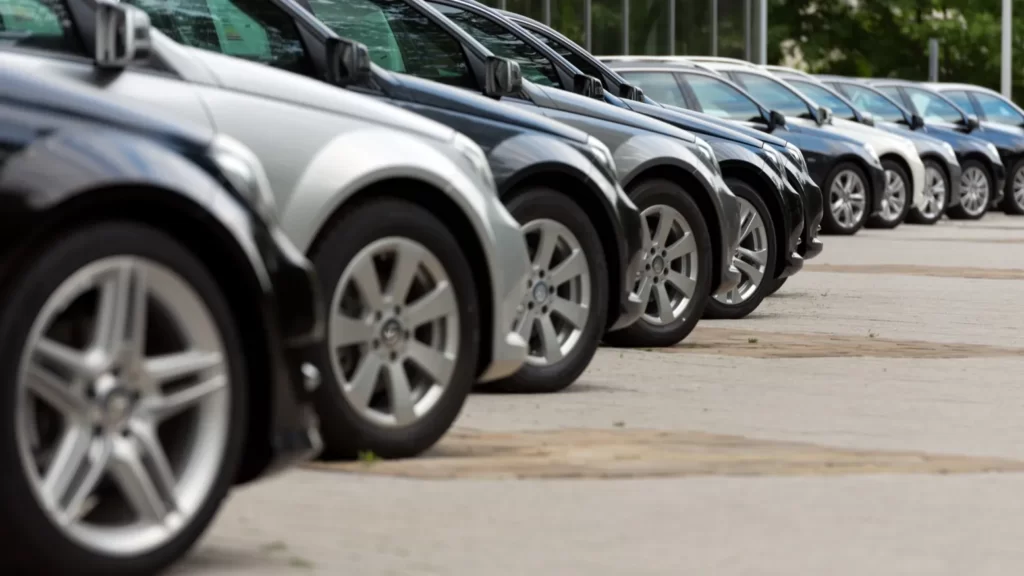
Buyers didn’t necessarily abandon their plans altogether, but uncertainty clearly affected how confidently and quickly they acted. A car purchase, particularly one involving finance or a trade-in, is naturally more sensitive to uncertainty than everyday spending.
By June, however, the picture had changed considerably. Overall buyer demand had risen by approximately 73% from its March low and even finished around 3% above February. Demand was therefore slightly stronger than it had been immediately before the conflict.
UAE-based demand recovered by approximately 48% from March and ended June around 8% above February levels. This local recovery matters. It indicates that the rebound was not solely driven by international buyers browsing cars in the UAE. Domestic consumers were once again actively engaging with cars listed for sale.
Dealership Activity Returns To Pre-Conflict Levels
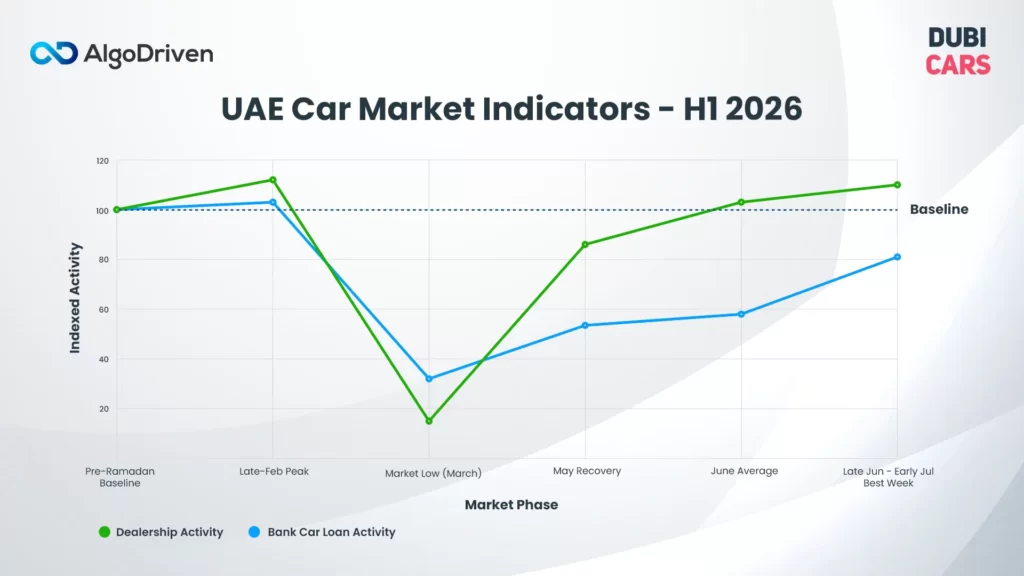
AlgoDriven’s dealership data reveals a similar recovery. To measure changes over time, AlgoDriven indexed dealership activity against the week before Ramadan 2026. Activity initially climbed above that benchmark before the conflict caused a dramatic decline.
At its lowest point, the dealership index was approximately 85% below its pre-Ramadan level. The recovery became visible during May, when dealership activity moved back above the benchmark during consecutive weeks. By June, weekly activity averaged more than 3% above the baseline set in February. During its strongest weeks, it climbed approximately 13% to 14% higher.
This is one of the clearest findings in the combined analysis: DubiCars recorded a substantial recovery in buyer demand at the same time that AlgoDriven observed dealership activity returning to pre-conflict levels.
While neither metric confirms the number of completed sales, their simultaneous recovery suggests that meaningful activity had returned on both sides of the market.
Searches Recovered, But Demand Paints The Bigger Picture
Overall searches on DubiCars increased by approximately 35% by June, returning to virtually the same level recorded in February. UAE-based search activity also improved from its March low.
At first glance, that could appear inconsistent with the stronger recovery in demand. However, the difference may reveal something more interesting about buyer behaviour.
| Metric | What it measures |
| Searches | General marketplace exploration and vehicle discovery |
| Demand | A more meaningful interaction with a specific listed vehicle |
Demand exceeded pre-conflict levels even though UAE-based searches remained lower. This may suggest that returning buyers were acting with greater intent, conducting fewer broad searches while engaging more directly with suitable vehicles.
Cars Are Moving Through The Market Again
DubiCars also recorded a substantial improvement in average demand per car metrics. After a decline in March, this indicator increased by around 77% by June.
The June numbers place it approximately:
- 4% above February levels across the overall marketplace
- 10% above February levels among UAE-based local activity
When stronger overall demand is followed by an increase in average demand per car across the 27,000+ listings, it provides an additional indication that buyer engagement may be translating into genuine market activity. The pattern points towards a market moving with considerably greater confidence and urgency than it did during the immediate conflict period.
Vehicle Valuation Activity More Than Doubles
Perhaps the most striking DubiCars trend did not involve searches or enquiries. Usage of the DubiCars car valuation tool increased by approximately 80% from March to June. Compared with February, usage had more than doubled by June.
Unlike most other indicators, valuation activity did not decline in March. It continued rising throughout the period and accelerated as the wider market recovered.
There are several possible explanations:
- Owners may have been checking the value of their cars before selling or trading them in.
- Buyers may have been researching prices more carefully before committing to another vehicle.
- Economic uncertainty may have made consumers more value-conscious.
- Some owners may have been reconsidering whether to keep, replace, or sell their vehicles.
- Distress sellers at the start of the conflict may have been looking for the best price for their cars
The data cannot reveal which motivation was dominant. What it does show is that a rapidly growing number of consumers wanted a clearer understanding of what their vehicles were worth. That level of valuation activity is generally more consistent with a market in motion than one standing still.
The One Indicator Yet To Fully Recover
Automotive financing has not rebounded at the same rate as dealership activity, buyer demand, or inventory movement.

AlgoDriven uses bank certificate activity, amongst other data points, to compile a market tracker of car loans issued to buyers. This measure declined after the conflict began and remained, on average, approximately 44% below its pre-Ramadan baseline until the end of May.
June brought an improvement, although its monthly average remained around 41% below the baseline. The strongest result came during the week spanning the end of June and the beginning of July, when bank loan activity climbed to within approximately 19% of its pre-Ramadan level. This was its strongest performance since the disruption began.
One improved week is encouraging, but continued growth would be required before it could be considered a sustained trend.
Why Financing Might Be Recovering More Slowly?
There are several plausible explanations:
- A greater share of transactions may be taking place through cash purchases.
- Financing activity may naturally lag behind improvements in buyer sentiment.
- Lenders may be taking a more measured approach following several months of market volatility.
- The recovery in bank car loans may simply require more time to become visible in the data.

None of these explanations can currently be confirmed. What can be said more confidently is that the financing indicator is improving, although it remains behind the broader recovery. Its direction over the coming months will help determine whether the gap was temporary or reflects a change in how UAE buyers are purchasing cars.
From “Don’t Wait. Buy Smart.” To A Market In Motion
During the height of the uncertainty, DubiCars launched its Don’t Wait. Buy Smart. campaign to encourage consumers to make informed decisions rather than allowing short-term market sentiment to dictate long-term purchasing plans.

The message was never that buyers should rush into the first available car or ignore genuine uncertainty. It was based on a simpler principle: disruption does not affect every buyer, seller or vehicle in the same way, and waiting indefinitely for the supposedly perfect moment can carry its own cost, especially when vehicle prices begin rising again.
Has The UAE Car Market Fully Recovered?
From the perspective of buyer engagement, dealership activity and marketplace movement, the UAE automotive market appears to have returned to pre-conflict levels. Several indicators went further, finishing June above their earlier benchmarks.
The slower return of bank loan activity remains an important development to monitor. Additional months of data will also be required to determine whether the current momentum is sustained.
Nevertheless, the wider recovery can’t be ignored:
- Buyer demand has surpassed its pre-conflict level.
- Dealership activity has recovered.
- Searches have returned to approximately their February level.
- Vehicles appear to be moving through the marketplace more quickly.
- Valuation activity has reached its highest point of the year.
- Automotive financing has begun showing signs of improvement.
Browse through over 27,000 listings and find the best cars for sale in the UAE.
Stay tuned to the UAE’s most popular auto blog for more automotive content.
Follow us on

Recent Stories
Farizon V7E Electric Van Launched In The UAE: Prices Start At AED 115,000
Jameel Motors has launched the Farizon V7E in the UAE, giving logistics companies, delivery operators, small businesses and service fleets...
New Citroen C5 Aircross Launched In The UAE At AED 106,999
The all-new Citroen C5 Aircross is officially launched in the UAE, bringing a completely redesigned version of the French brand’s...
New 2027 Toyota Land Cruiser FJ Launched In UAE: FJ Cruiser Returns?
The FJ name is back in the UAE, and Toyota has attached it to something even bigger this time. The...
Land Rover Defender Pickup Truck Coming Soon: What We Know So Far
A modern Land Rover Defender pickup could finally be on the way. Recent reports suggest JLR is working with Stellantis...

Porsche Sells Bugatti Rimac Stake: Abu Dhabi Investor Takes 30% Share
Porsche has completed the sale of its stakes in Bugatti Rimac and Rimac Group, bringing approximately €1 billion into Stuttgart...

2027 GAC GS7 PHEV Launched In The UAE At AED 159,900
GAC has officially launched the all-new 2027 GS7 PHEV in the UAE, expanding its electrified SUV line-up with a five-seat...